
Understanding the Cast Iron Elbow: An Essential Component in Modern Piping
When you think about plumbing or complex piping systems, a cast iron elbow might not immediately jump to mind. Yet, it's one of those small but crucial components that quietly ensure water flows where it should, gas lines are secure, and industrial processes run smoothly worldwide. Understanding what a cast iron elbow is and why it matters can unlock insights into infrastructure resilience, sustainability, and even humanitarian engineering.
Globally, infrastructure spending has soared—with the World Bank reporting investments exceeding $6 trillion annually on water and sewer systems. Within these vast networks, cast iron elbows play a foundational role, especially in older but still functioning systems and new construction where durability can’t be compromised.
Introduction: Why Cast Iron Elbows Matter Globally
Oddly enough, pipe fittings don’t usually make headlines. But consider this: efficient water delivery to millions depends on reliable parts that can withstand pressure, weather, and chemical corrosion. According to the International Organization for Standardization (ISO), cast iron remains a standard material for pipe fittings in many regions due to its longevity and cost-effectiveness. Yet, challenges like aging urban infrastructure and sustainability pressures mean choosing the right elbow is more important than ever.
Without durable fittings like cast iron elbows, water leakage, contamination, or even catastrophic failures can occur, causing public health crises or costly repair projects—something both developed and developing countries strive to avoid.
What Is a Cast Iron Elbow?
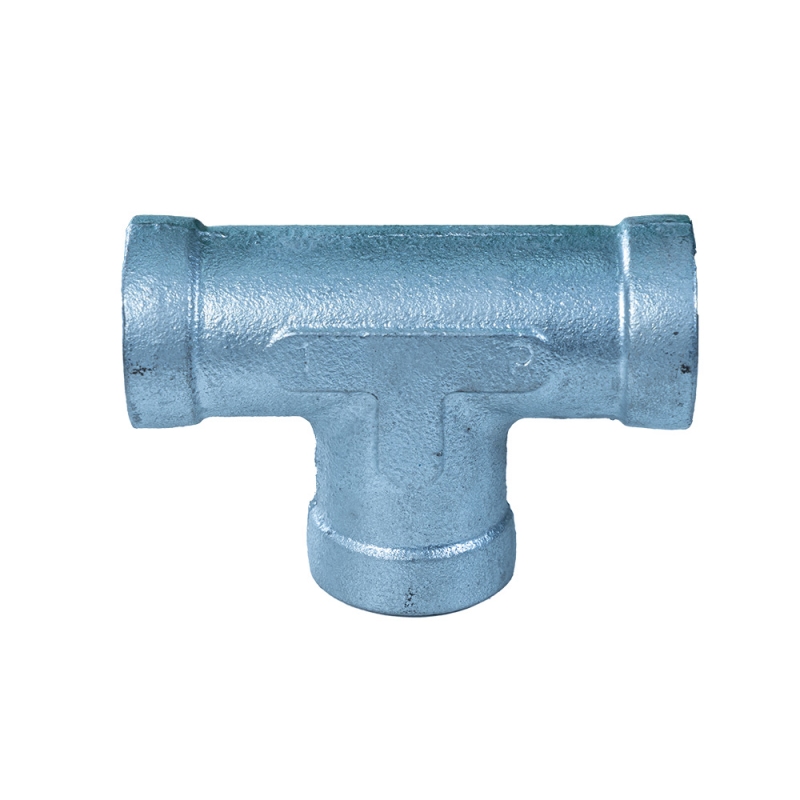
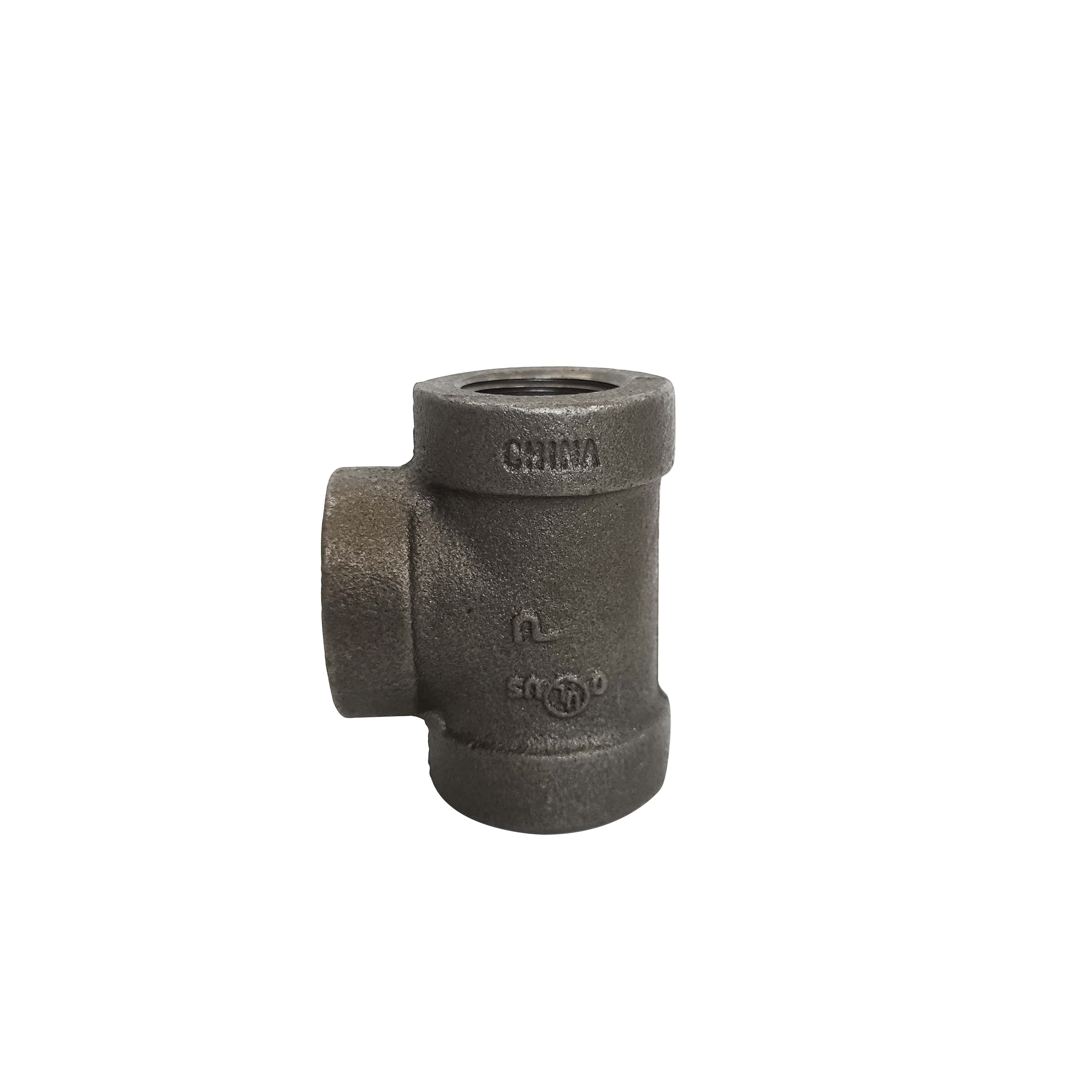
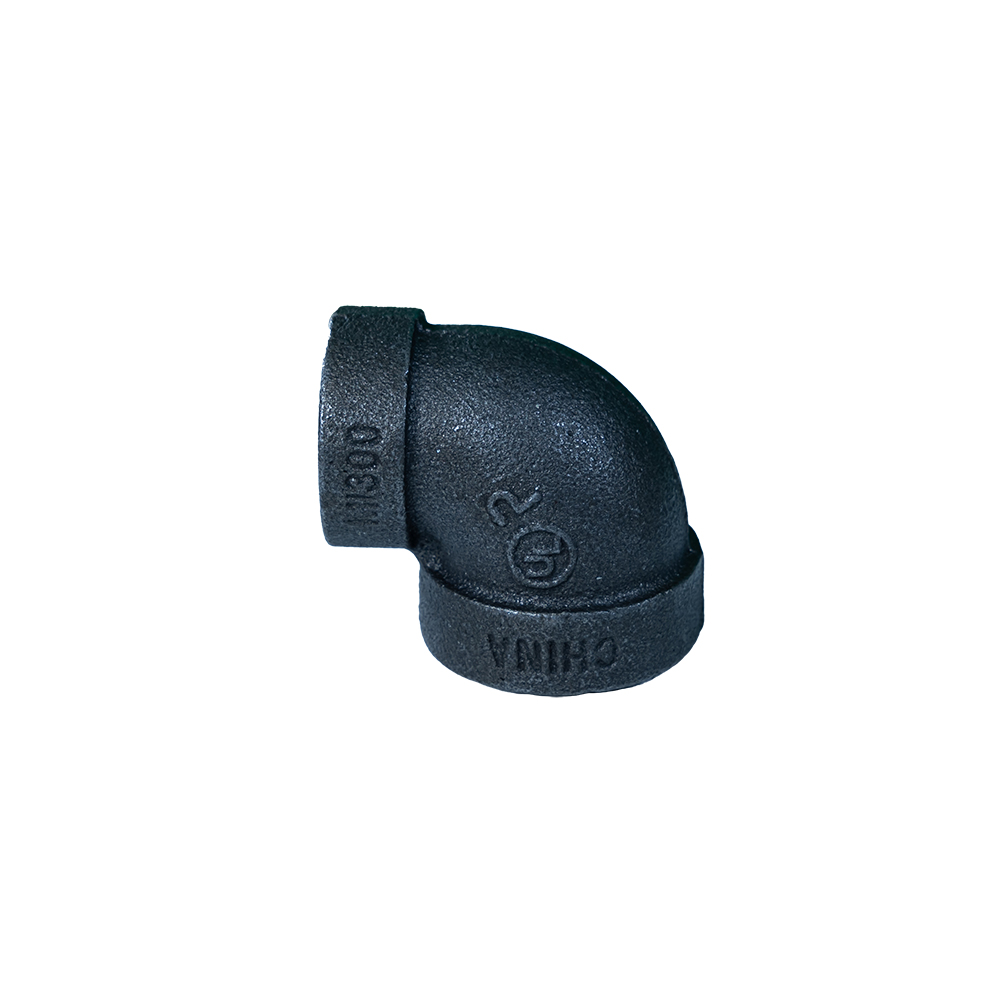
A cast iron elbow is simply a pipe fitting made from cast iron that changes the direction of flow in piping systems—most commonly at 90 or 45 degrees. Imagine a bend in a water pipe allowing the pipe to snake around a corner without kinking or breaking; that’s the elbow’s job.
Cast iron itself is an iron-carbon alloy known for hardness and durability. Though cast iron has older roots, it continues serving modern industry—from municipal water grids to hydroelectric plants and sewage systems. In humanitarian contexts, robust water infrastructure supported by such parts can mean the difference between safe drinking water and vulnerability to disease.
Core Aspects of Cast Iron Elbows
Durability and Corrosion Resistance
Cast iron's natural resistance to wear and corrosion makes elbows made from it last for decades, often exceeding 50 years in optimal conditions. This longevity translates to fewer maintenance cycles and lower lifecycle costs.
Pressure and Temperature Ratings
Cast iron elbows typically withstand pressures up to 300 psi and temperatures from cold to around 300°F (150°C), covering most water and steam applications reasonably well. However, they're less ideal for highly corrosive chemical environments.
Cost Efficiency
Compared to ductile iron or stainless steel fittings, cast iron elbows are often more affordable upfront—a factor especially important in large projects or in regions with budget constraints.
Ease of Installation
With standardized sizes and flange options, cast iron elbows integrate smoothly into existing systems. Many engineers mention that their familiarity with cast iron fittings simplifies training and reduces installation errors on-site.
Environmental Impact
Cast iron is recyclable; scrap cast iron can feed foundries and reduce raw material needs. Organizations focusing on green supply chains often highlight cast iron fittings as a sustainable option compared to plastic alternatives.
Global Applications & Use Cases
City water utilities in Europe and North America continue to rely heavily on cast iron elbows. Oddly enough, developing regions with rapid urbanization, such as parts of Asia and Africa, also use these fittings in municipal pipelines due to a good balance of cost and performance.
In disaster relief operations, where fast restoration of water supply lines is critical, cast iron elbows offer proven reliability under rushed installations. Remote mining or hydroelectric sites often choose cast iron elbows for their pressure resistance and longevity against harsh environmental exposure.
Here's a quick example: after the 2010 Haiti earthquake, reconstruction teams prioritized durable water infrastructure — cast iron fittings were a preferred choice due to their robustness and availability.
Advantages & Long-Term Value
- Cost Savings: Long lifespan means reduced replacement frequency and maintenance costs.
- Reliability: High mechanical strength reduces risks of leaks or bursts—protecting communities and assets.
- Sustainability: Recyclable, cast iron fittings support circular economy initiatives.
- Trust: Proven track record in both industrial and municipal settings, fostering stakeholder confidence.
- Emotional peace-of-mind: Knowing infrastructure is built on strong, time-tested components can’t be oversold.
Product Specification Table: Typical Cast Iron Elbow (90°) Characteristics
| Specification | Value |
|---|---|
| Material | Grey Cast Iron (ASTM A-126 Class B) |
| Size Range | 2" to 24" diameter |
| Pressure Rating | Up to 300 psi |
| Temperature Range | -20°C to 150°C |
| Connection Type | Flanged or spigot |
| Standards | ISO 2531, ASTM A-126 |
Vendor Comparison: Leading Suppliers of Cast Iron Elbows
| Feature | Vendor A | Vendor B | Vendor C |
|---|---|---|---|
| Material Grade | ASTM A-126 Class B | ASTM A-47 | ISO 2531 Certified |
| Price Range (per unit) | $45 - $70 | $50 - $75 | $48 - $72 |
| Lead Time | 2-3 weeks | 3-4 weeks | 1-2 weeks |
| Warranty | 5 years | 3 years | 5 years |
| Customization | Available | Limited | Available |
Future Trends & Innovations in Cast Iron Elbows
We're seeing a drift toward greener manufacturing processes and smarter designs. For example, improvements in casting techniques reduce defects and increase strength. Some companies are integrating digital quality control—scanning each elbow for microfractures before shipping.
On the sustainability front, alloy compositions are evolving to make cast iron even more recyclable and corrosion-resistant with fewer coatings required, reducing chemical use. Additionally, the rise of automated installation tools and modular piping means cast iron elbows are designed now with integration in mind from the start.
Challenges and Solutions
Despite all these strengths, cast iron elbows are brittle compared to ductile iron, and that can cause issues in seismic zones or areas with ground movement. In these cases, hybrid fittings or reinforced joints are an answer. Also, cast iron is heavier than plastic alternatives, meaning transport and handling costs might rise.
However, engineers offset these with quality installation practices, protective coatings, and strategic material choices—sometimes even combining cast iron elbows with polymer lining to combat chemical wear.
FAQ: Frequently Asked Questions about Cast Iron Elbow
- What is the difference between a cast iron elbow and a ductile iron elbow?
- Cast iron elbows are made from a more brittle iron-carbon alloy, offering excellent compression strength but less flexibility. Ductile iron elbows add nodular graphite, increasing toughness and impact resistance, making them more suitable for seismic zones or dynamic pressure.
- How long do cast iron elbows typically last in municipal water systems?
- With proper maintenance, cast iron elbows can last anywhere from 50 to 100 years. Their lifespan depends heavily on water chemistry, soil conditions, and installation quality.
- Are cast iron elbows compatible with plastic piping?
- Yes, through transition fittings. However, care must be taken to prevent galvanic corrosion and ensure a secure seal between dissimilar materials.
- Can cast iron elbows be customized for specific angles or sizes?
- Many manufacturers offer custom elbows beyond the conventional 45° or 90° bends, supporting unique piping layouts or space constraints.
- Is a cast iron elbow suitable for high-temperature steam applications?
- Generally, cast iron elbows can handle temperatures up to around 150°C (300°F), making them suitable for lower temperature steam lines but not for high-pressure or superheated steam systems where steel alloys are preferred.
Conclusion: Why Choosing the Right Cast Iron Elbow Matters
People often overlook the small parts in big projects—yet cast iron elbows are silent workhorses, holding systems together and ensuring safety and efficiency. Their durability, cost-effectiveness, and sustainability benefits make them indispensable in infrastructure today and tomorrow. If you’re planning new piping projects or refurbishing existing systems, the right cast iron elbow can save time, money, and headaches down the road.
Interested in high-quality cast iron elbow options? Visit PanNext Fittings for detailed product info and expert advice.
Mini takeaway: The humble cast iron elbow balances tradition and innovation to keep water, gas, and industrial systems running reliably worldwide.
References
Post time: Dec-02-2025