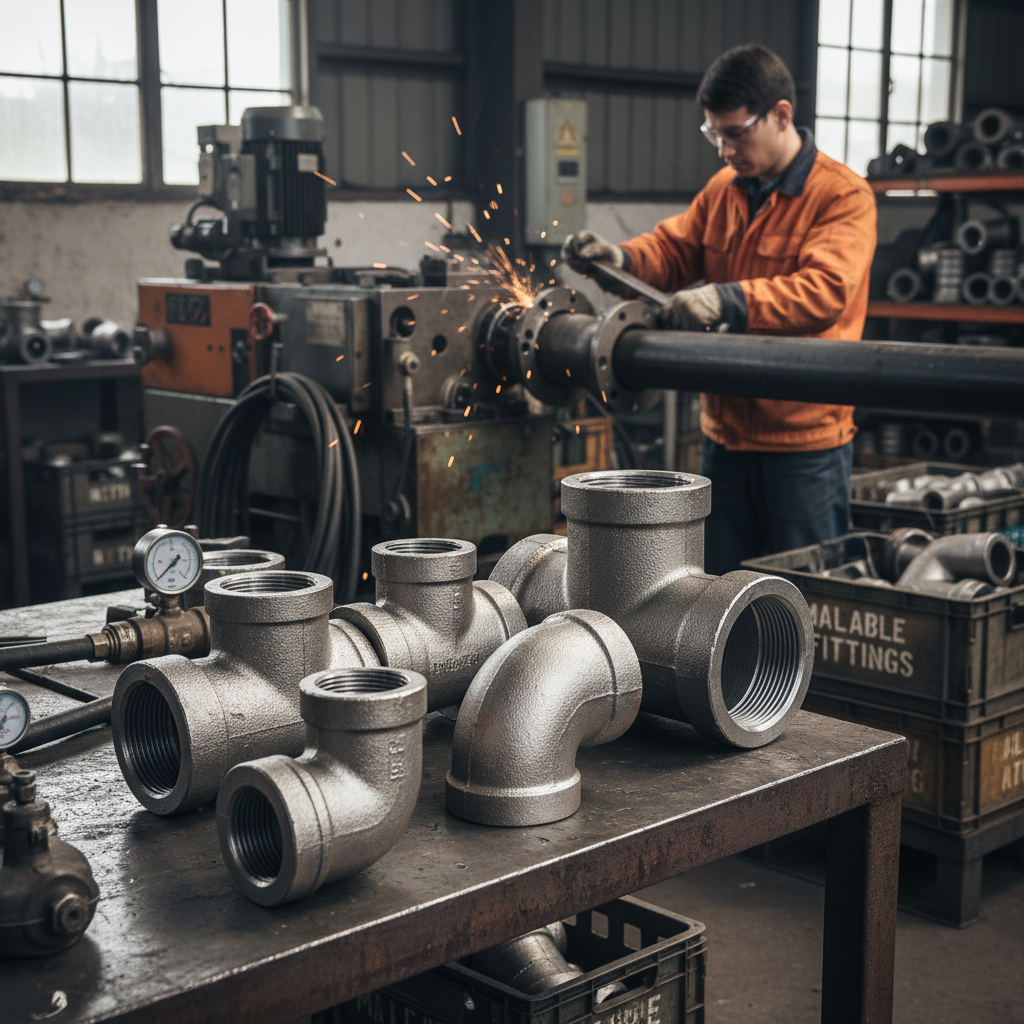
In the specialized field of fluid conveyance, procurement managers often find that searching for a competitive half inch elbow price reveals a complex landscape of material grades and manufacturing standards. The cost of a fitting is rarely a standalone figure; it is a reflection of the metallurgical integrity, pressure rating, and certification levels required for the specific industrial application.
The challenge for engineers lies in balancing upfront capital expenditure with the long-term operational risks associated with fitting failure. In high-pressure water systems, a marginally lower price point can lead to significant costs if the material fails to resist corrosion or lacks the necessary tensile strength, leading to unplanned downtime and expensive system repairs.
This technical analysis examines the variables that dictate the valuation of cast bronze fittings, the engineering trade-offs between different alloys, and how to evaluate supplier reliability to ensure that the selected components meet stringent safety and durability standards.


The valuation of a bronze fitting is primarily driven by the specific alloy used, such as ASTM B62 (UNS C83600) or ASTM B824 (C89633). These alloys provide the essential corrosion resistance and mechanical strength required for jointing water pipes in demanding environments.
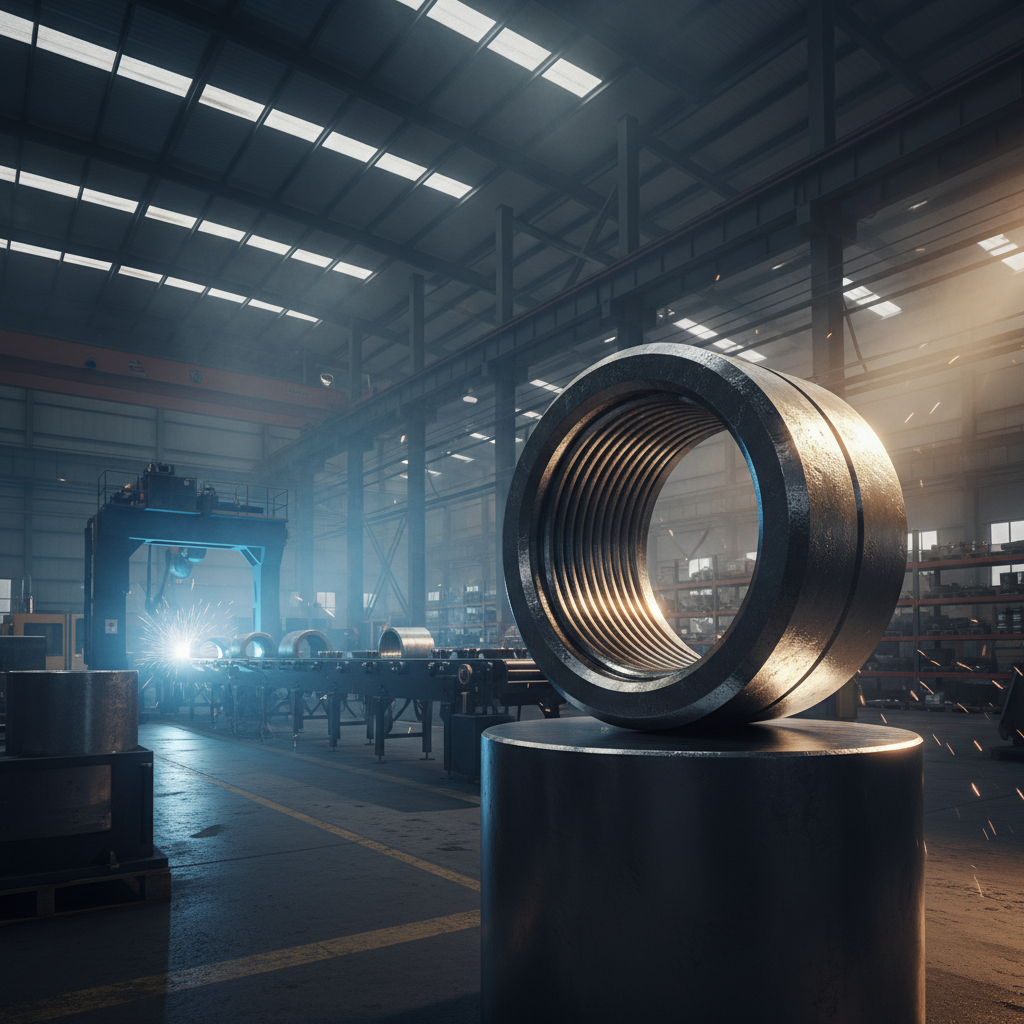
Beyond raw material costs, the manufacturing process—specifically the use of automated DISA production lines—impacts the final price by ensuring dimensional consistency and reducing waste, which stabilizes bulk pricing for industrial buyers.
Technical compliance is the first filter in determining a fair half inch elbow price. Professional grade fittings must adhere to ASME B16.15 Class 125 dimensions, ensuring that the component integrates seamlessly with other standard piping elements without requiring costly field modifications.
Threading standards are equally critical; NPT threads conforming to ASME B1.20.1 are mandatory for ensuring leak-proof connections. The precision of these threads prevents galling during installation and ensures a reliable seal under operational pressure.
Mechanical properties, specifically a minimum tensile strength of 20.0kg/mm and an elongation rate of at least 20%, distinguish premium cast bronze from lower-grade alternatives. These metrics ensure that the fitting can withstand mechanical stress and thermal expansion without fracturing.
The integrity of a 90-degree street elbow depends heavily on the quality of the molding and subsequent grinding processes. Casting defects, such as porosity or inclusions, can create micro-channels that lead to seepage, even when high-quality sealing gaskets are employed.
When evaluating a supplier, the presence of third-party certifications like UL, FM, and SGS provides objective evidence that the manufacturing process is controlled and the products meet international safety benchmarks.
Comparing different bronze fitting configurations requires a normalized assessment of their engineering attributes. While the base half inch elbow price may vary, the relative value is found in the balance of durability and precision.
The following data represents a normalized engineering assessment across various bronze alloy configurations, focusing on their relative performance in standard water jointing applications.
In typical industrial deployment scenarios, cast bronze street elbows are utilized in jointing water pipes where corrosion resistance is paramount. The 90-degree geometry allows for efficient direction changes in tight spaces, making them ideal for facility piping where space is limited.
Engineering teams must ensure that the fitting's Class 125 rating aligns with the system's maximum operating pressure. Failure to match these specifications can lead to catastrophic joint failure, emphasizing that the real cost of a fitting includes the risk management of the entire piping network.
The industry is seeing a shift toward higher-purity alloys and more stringent testing protocols. As piping systems are pushed to longer lifecycles, the demand for materials that offer superior wear and corrosion resistance has increased.
Future engineering requirements will likely emphasize not just the initial pressure rating, but the rate of material degradation over decades of service. This makes the procurement of fittings with documented metallurgical histories and certifications increasingly critical.
Investment in high-quality cast bronze today reduces the total cost of ownership by extending the mean time between failures (MTBF) and reducing the frequency of maintenance cycles in critical water infrastructure.
To optimize the selection process, buyers should use a structured matrix that compares configuration types against application profiles. This ensures that the half inch elbow price is justified by the specific technical needs of the project.
A standard configuration may suffice for low-pressure residential water lines, but high-duty configurations with enhanced tensile strength are non-negotiable for industrial processing plants.
The following framework provides a basis for evaluating different fitting profiles based on their engineering suitability.
| Configuration Type | Material Grade | Pressure Rating | Recommended Use Case |
|---|---|---|---|
| Basic Configuration | Standard Bronze | Class 125 | Residential Water Lines |
| Standard Configuration | ASTM B62 | Class 125 | Commercial Plumbing |
| High-Duty Configuration | UNS C83600 | Class 125+ | Industrial Water Systems |
| Precision Configuration | ASTM B824 | Class 125 | Laboratory Piping |
| Corrosion-Resistant | Enhanced Bronze | Class 125 | Marine/Saline Environments |
| Industry Baseline | Cast Bronze | Class 125 | General Purpose Piping |
The price is primarily determined by the alloy composition (e.g., ASTM B62 vs. B824), the manufacturing process (automated casting vs. manual), and the level of certification (UL, FM). Higher grade alloys provide better corrosion resistance and tensile strength, which increases the cost but reduces long-term maintenance risks.
Verify that the fitting conforms to ASME B1.20.1 for NPT threads and ASME B16.15 for dimensions. Using gauges to inspect the thread profile ensures a tight seal and prevents leakage. Compatibility is ensured when both the fitting and the pipe adhere to these recognized international standards.
Elongation is a measure of ductility. A minimum of 20% elongation ensures that the fitting can deform slightly under extreme stress or thermal expansion without immediate brittle fracture. This is a critical safety feature for preventing catastrophic bursts in high-pressure water environments.
Leakage is often caused by improper thread engagement or casting porosity. First, check for thread damage using a gauge. If threads are intact, verify the presence and condition of sealing gaskets. If seepage persists despite proper installation, the fitting may have internal casting defects, highlighting the need for 100% water pressure tested components.
Use a calibrated torque wrench to avoid over-tightening, which can strip NPT threads or crack the casting. Apply a high-quality thread sealant or PTFE tape. Ensure the piping system is properly aligned to prevent lateral stress on the elbow, as excessive bending moments can compromise the joint's integrity.
Bronze should be selected when the application involves corrosive fluids, high humidity, or environments where superior oxidation resistance is required. While malleable iron is cost-effective for dry or non-corrosive air systems, bronze's metallurgical properties make it the only viable choice for long-term reliability in water jointing.
The analysis of half inch elbow price demonstrates that the true cost of a component is measured by its reliability in the field. By prioritizing ASTM material standards, ASME dimensional compliance, and rigorous 100% water pressure testing, operators can significantly reduce the lifecycle cost of their piping infrastructure.
Ultimately, the selection of a cast bronze fitting should be driven by a technical risk assessment—balancing the immediate procurement budget against the potential cost of system failure. Ensuring a supply chain with proven certifications like UL and FM is the most effective strategy for maintaining long-term operational stability.