
Understanding Wholesale Pipe Fittings: The Backbone of Global Infrastructure
Wholesale pipe fittings may not sound like the star of global industry, but they quietly hold vast importance worldwide. From the water systems in bustling cities to the oil pipelines bridging continents, their reach is vast and critical. Understanding wholesale pipe fittings isn’t just for engineers and procurement officers — it’s for anyone curious about how the pieces behind critical infrastructure fit smoothly together, ensuring efficiency, safety, and cost-effectiveness on a massive scale.
Worldwide, the demand for pipe fittings has escalated due to expanding urban infrastructures, heightened industrial activity, and an increased focus on sustainable pipelines. The key benefit of a good grasp on wholesale pipe fittings lies in recognizing how these components enable flow systems to operate without a hitch — literally keeping economies moving and lives healthier.
The Global Importance of Wholesale Pipe Fittings
Pipe fittings are the unsung heroes that make it possible to route water, gas, chemicals, and even waste throughout industrial, residential, and commercial environments. According to data from the International Organization for Standardization (ISO) and UN infrastructure reports, the pipeline construction market alone is projected to grow by nearly 5% annually over the next decade.
This growth is driven largely by rapid urbanization in Asia-Pacific and infrastructure renewal projects in Europe and North America. Moreover, challenges like aging water systems and demands for cleaner energy sources increase reliance on high-quality pipe fittings — especially those procured wholesale to optimize cost and logistics. Wholesale buying addresses several pain points: maintaining consistent quality, delivering varieties of fittings suited for different materials (PVC, steel, copper), and streamlining supply chains for massive projects.
The challenge? Balancing tight budgets with the need for durable, safe pipelines that meet international standards. Getting fittings wrong can cause leaks, contamination, or even catastrophic failures — a nightmare for any supplier or contractor.
What Exactly Are Wholesale Pipe Fittings?
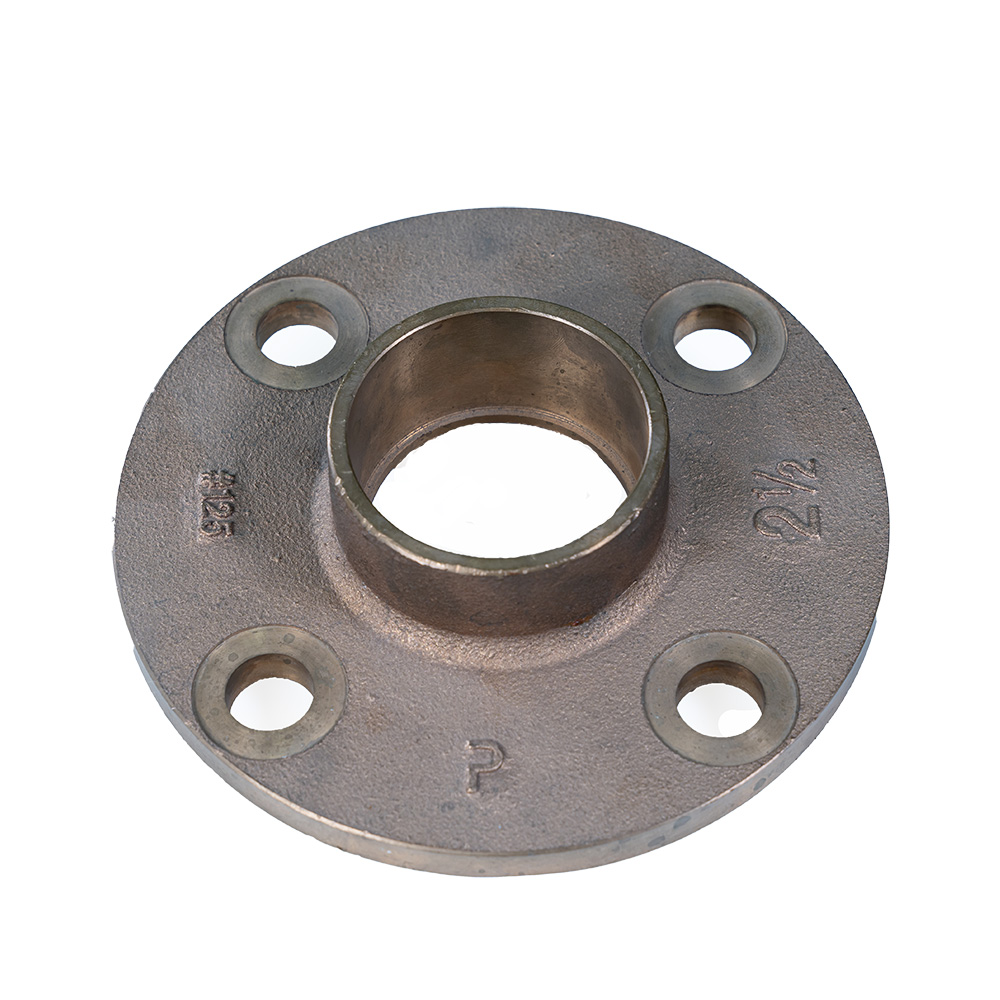
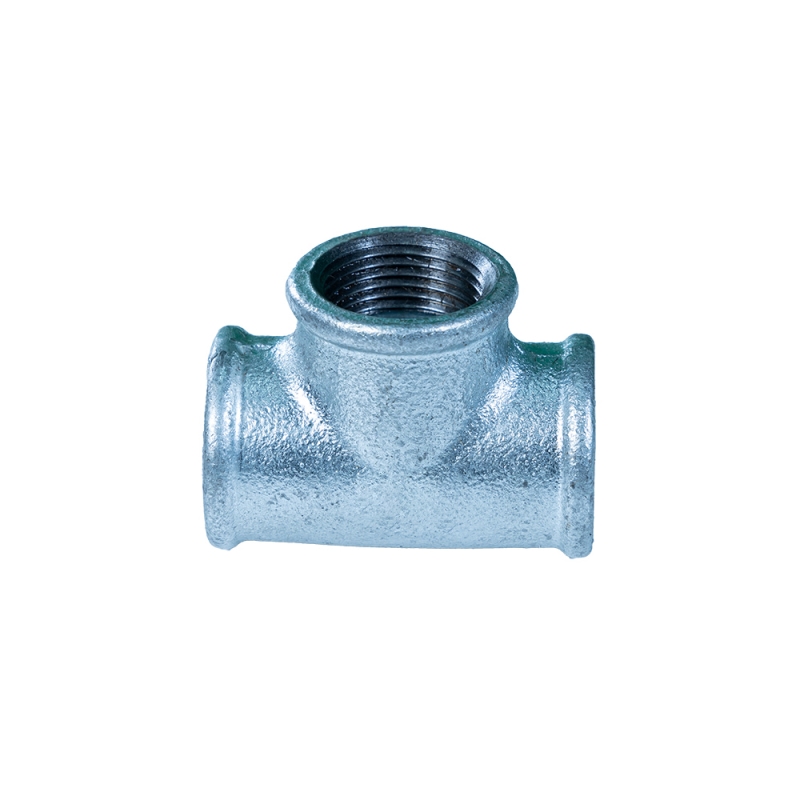
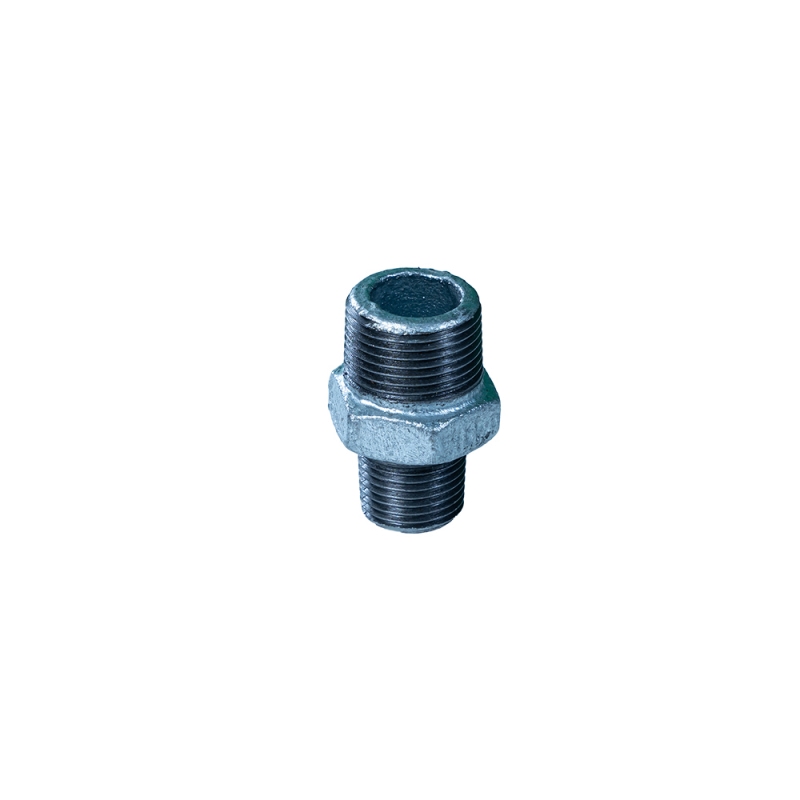
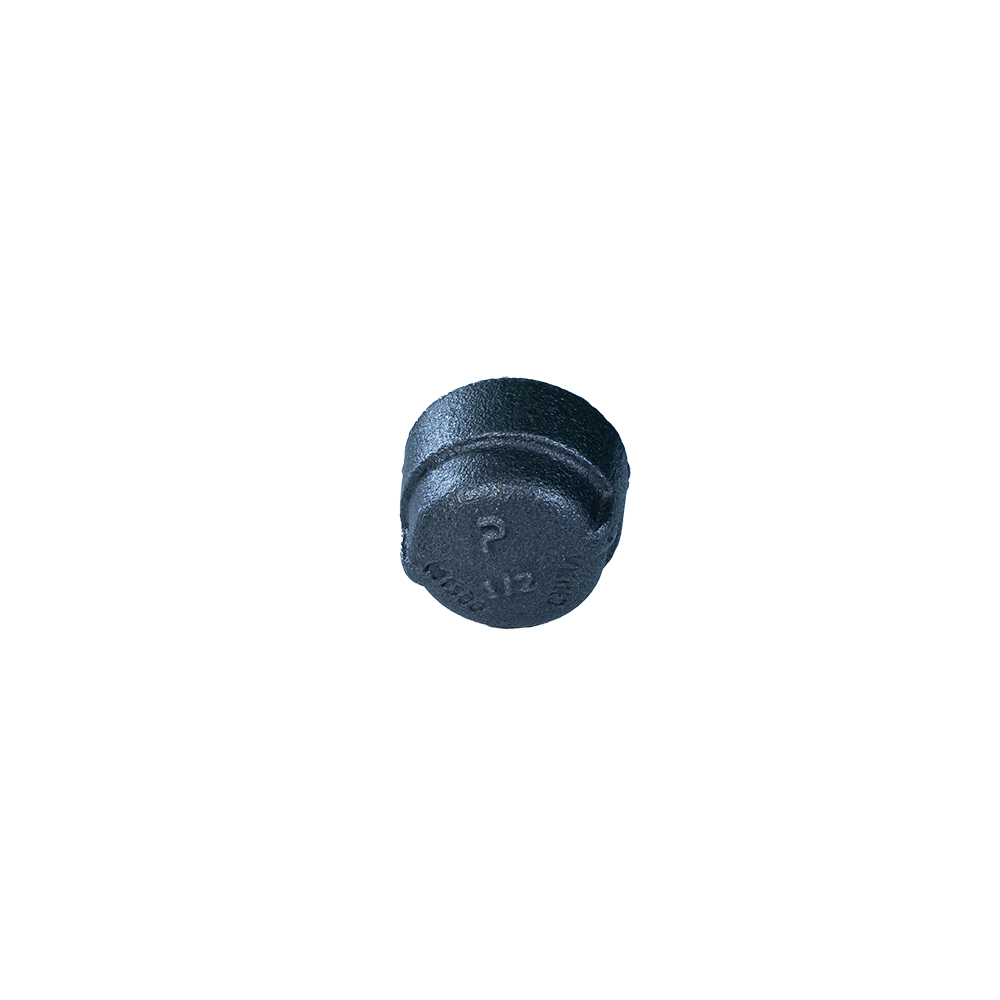
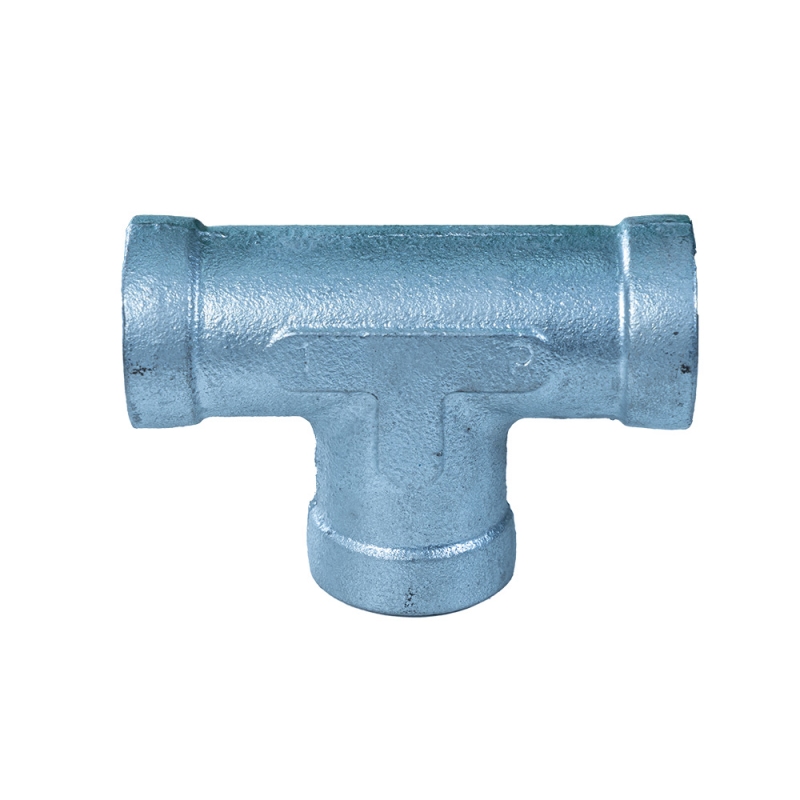
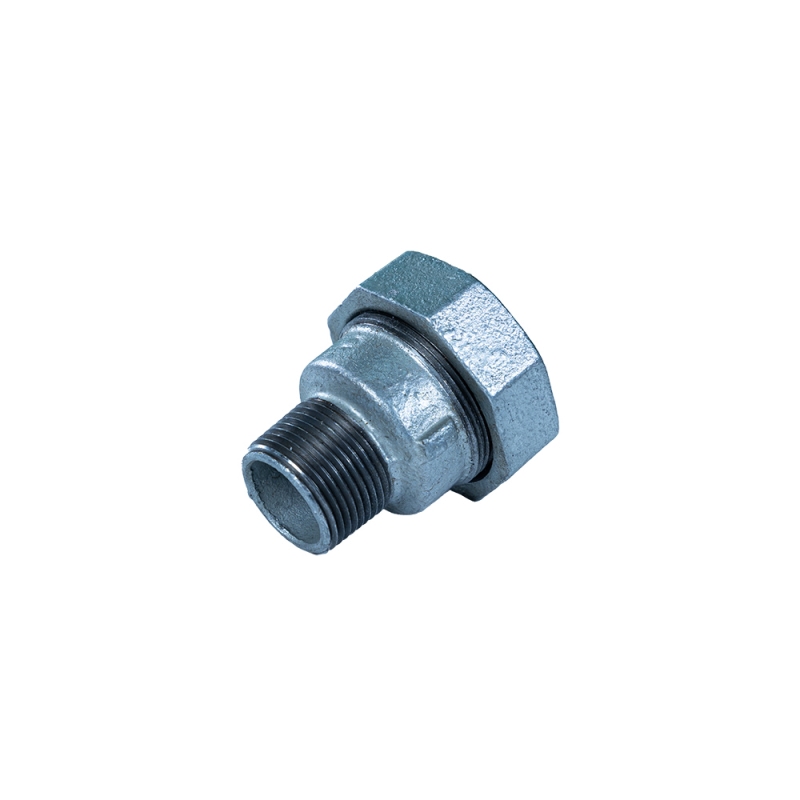
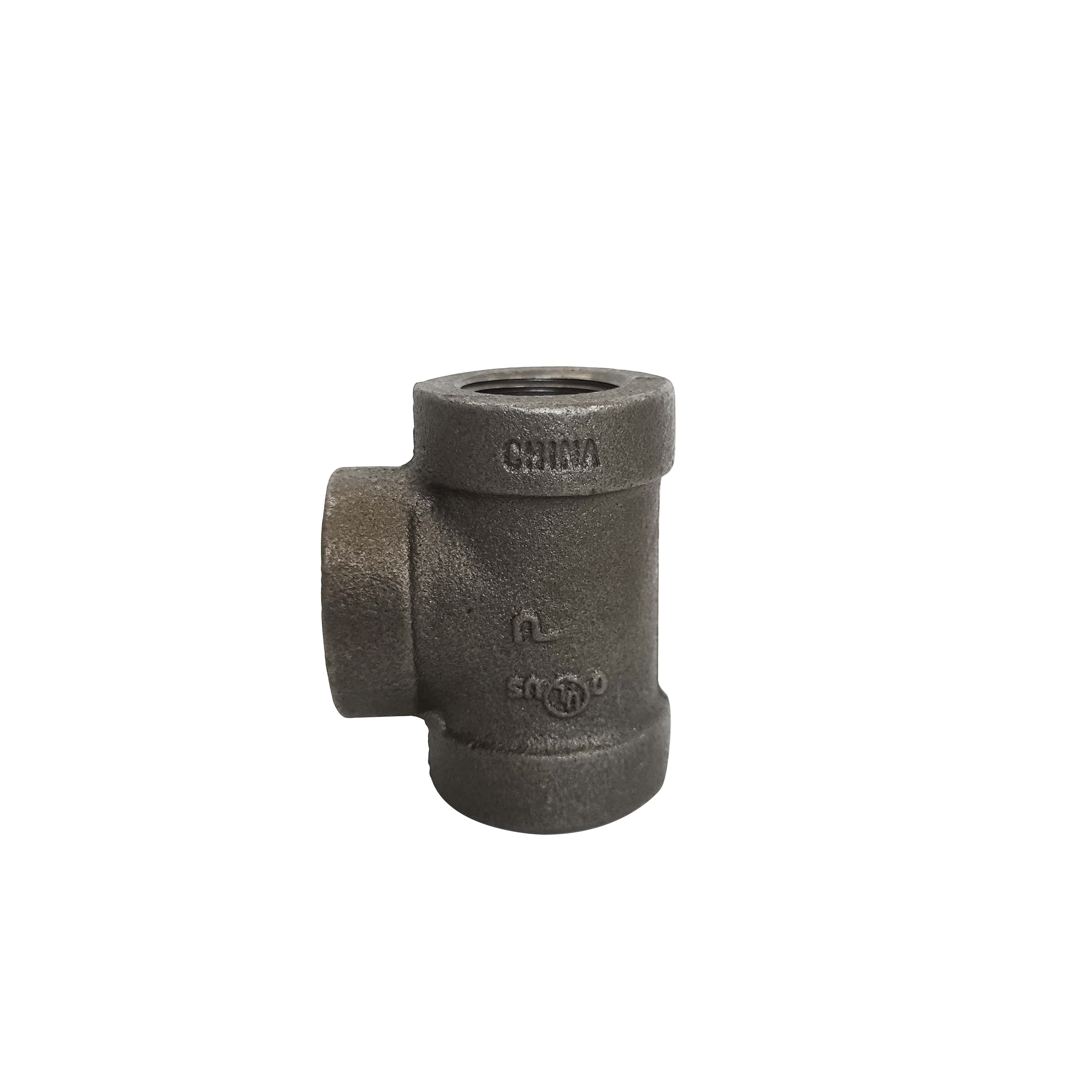
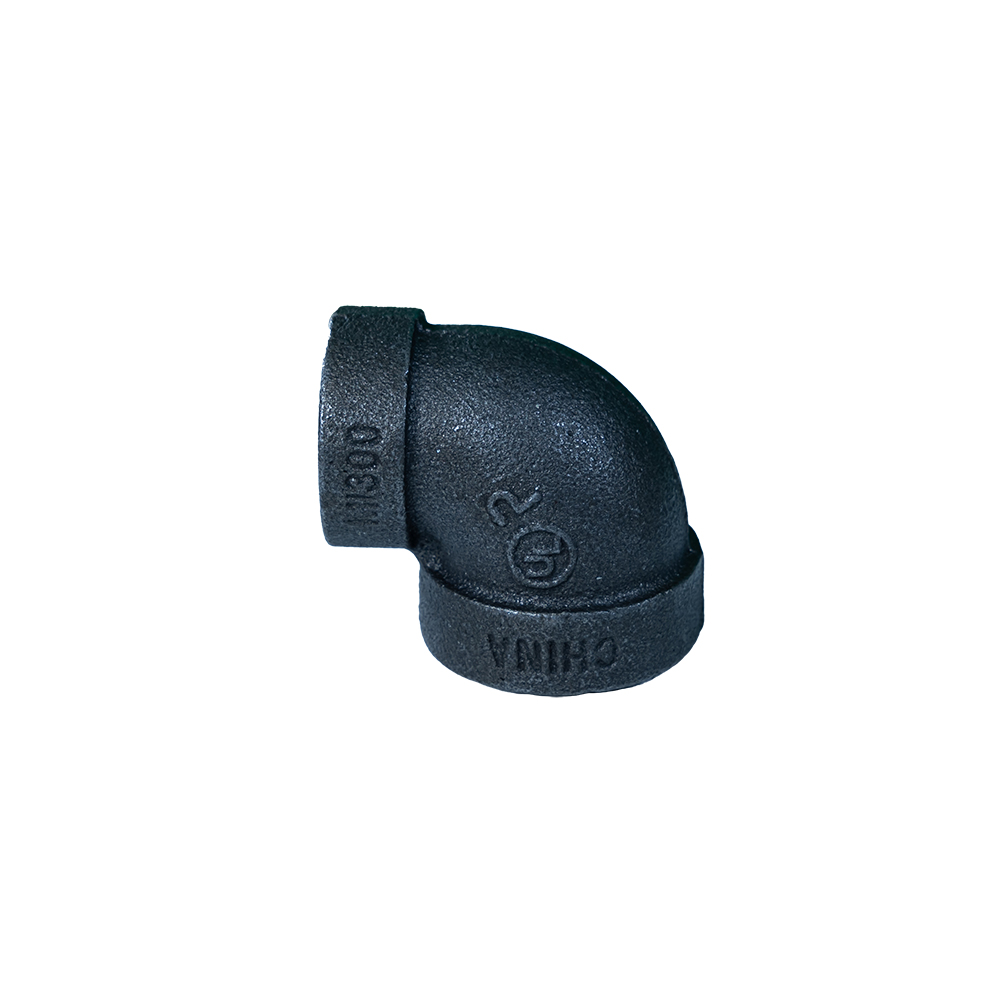
Simple put, wholesale pipe fittings are components used to connect, redirect, or terminate pipes within plumbing or industrial piping systems. They include elbows, tees, couplings, reducers, flanges, and valves among others. Buying wholesale typically means purchasing these in bulk quantities directly from manufacturers or distributors at reduced prices.
In terms anyone can appreciate: they are the precision puzzle pieces that join segments of pipe to create a functional network. From delivering clean drinking water in refugee camps to transporting oil from remote offshore rigs, pipe fittings tailor the transportation path to the needs of the system.
Mini Takeaway:
- Wholesale pipe fittings form the connective tissue of global pipelines.
- Their availability directly influences infrastructure efficiency.
Key Factors When Choosing Wholesale Pipe Fittings
Durability and Material Quality
Whether forged steel for pressure-critical applications or corrosion-resistant PVC for chemical transport, material choice dictates longevity and safety. Many engineers swear by stainless steel fittings for their balance of strength and corrosion resistance; however, in some areas (like wastewater treatment), plastic alternatives suffice and cost much less.
Compatibility and Standards Compliance
ISO certifications and ASTM standards ensure fittings meet minimum requirements for dimension, pressure rating, and safety. Wholesale buyers must ensure compatibility with existing pipe systems to avoid costly fitting failures or system malfunctions.
Cost Efficiency Through Bulk Purchase
Obviously, one bulk order of a thousand couplings is often cheaper per unit than shop-by-shop buying. Beyond price, wholesale buying reduces shipping overhead and inbound handling, crucial for large projects with tight schedules.
Customization and Versatility
Leading suppliers offer customized fittings — e.g., specific diameters, threading, or special coatings — to meet unique project needs. Versatility allows for applicability in multiple industries, from food processing to petrochemicals.
Supply Chain Reliability
It may seem boring to some, but consistent delivery schedules, accurate order fulfillment, and responsive customer service are priceless. Disruptions in supply chains can stall entire construction projects.
Mini Takeaway:
- Material and compliance ensure safety; cost and logistics optimize project success.
- Customization is often the hidden value of wholesale sourcing.
Global Applications: Where Wholesale Pipe Fittings Make Their Mark
Wholesale pipe fittings fuel everything from everyday municipal water systems in Southeast Asia to advanced oil refineries in the Middle East. Consider these practical examples:
- Post-disaster scenarios: In earthquake-affected zones, quickly installed fittings restore water supply essential for sanitation and recovery.
- Remote industrial zones: Mining operations in South America rely on durable fittings for transporting slurry and chemicals over harsh terrains.
- Urban infrastructure: Cities like Amsterdam and Tokyo constantly upgrade aging sewer lines using fittings purchased wholesale to maintain budget discipline.
- Renewable energy projects: Geothermal plants in Iceland require pipe fittings that withstand extreme conditions — a niche growing in demand.
Different industries impose different requirements, but the foundational need is consistent: reliable connections for efficient flow.
Mini Takeaway:
- The diversity of application highlights the universal necessity of good quality wholesale pipe fittings.
- Regions with infrastructure challenges benefit especially from bulk, cost-effective sourcing.
Advantages and Long-Term Benefits of Wholesale Pipe Fittings
Buying pipe fittings wholesale offers several advantages that ripple through project timelines and budgets.
- Cost Savings: Bulk purchasing cuts sticker shock for large projects — those savings can even be passed onto end-users.
- Sustainability: Choosing fittings made from recyclable materials or with industry-leading manufacturing standards promotes environmental responsibility.
- Reliability & Safety: Well-sourced fittings reduce downtime and risk, enhancing stakeholder trust.
- Social Impact: In developing areas, consistent access to water and gas translates to better health and livelihoods — all enabled by fitting reliability.
Emotionally, these benefits evoke security and dignity — clean water flowing, warmth reaching homes, factories running smoothly. Wholesale pipe fittings aren’t just metal bits; they silently support well-being and progress.
Future Trends in Wholesale Pipe Fittings
What’s next for this quietly vital market? Several innovations are already reshaping it:
- Advanced Materials: New composite fittings that blend strength with lightweight properties are becoming popular.
- Smart Pipelines: Integration of sensors within fittings to detect leaks or pressure drops in real-time.
- Green Manufacturing: Reduced carbon footprints in production and use of recycled alloys.
- Digital Procurement: E-platforms streamline wholesale buying, improving transparency and reducing lead times.
It feels like wholesale pipe fittings are entering a more tech-savvy era — the kind of progress that could save time and natural resources, quite literally.
Challenges and Practical Solutions
Still, issues remain:
- Quality Variation: Not every bulk supplier offers consistent quality. Stringent vetting and certification remain critical.
- Logistical Bottlenecks: Delays due to customs or transportation affect project deadlines.
- Environmental Concerns: Disposal of old fittings can cause waste problems.
Many forward-thinking companies now use supplier audits, invest in local warehousing, and prioritize recyclable materials. For the global buyer, partnering with dependable vendors is half the battle.
FAQ: Common Questions About Wholesale Pipe Fittings
- What are the benefits of buying pipe fittings wholesale instead of retail?
- Wholesale purchasing offers significant cost savings through bulk discounts, reduces shipping and handling times, and ensures a steady supply for large projects — all of which improve project efficiency and budgeting.
- How do I know which material is best for my pipe fittings?
- Material choice depends on your application — steel variants for high pressure, PVC or CPVC for corrosion resistance and chemicals, and composites for weight savings. Consulting ASTM/ISO standards and vendor specification sheets helps identify the best fit.
- Are wholesale pipe fittings customizable?
- Many manufacturers offer customization options on dimension, threading type, surface finish, or even embedded sensors. This flexibility lets buyers meet unique project demands without sacrificing bulk pricing.
- How can I ensure the quality of wholesale pipe fittings?
- Request certifications like ISO 9001, material test reports, and third-party inspection certificates. Also, choose reputable vendors with proven track records and positive industry reviews.
- Is it possible to get eco-friendly pipe fittings at wholesale prices?
- Yes, more suppliers are now offering fittings made from recycled materials or manufactured with sustainable practices — often competitively priced due to growing green demand.
Conclusion: Connecting Industry and Innovation
Wholesale pipe fittings might not make headlines, but they underpin some of the most essential infrastructure worldwide. Their role in ensuring safe, cost-effective, and sustainable flow systems cannot be overstated. As technology evolves and demand grows, sourcing quality fittings wholesale remains a smart strategy for manufacturers, contractors, and planners aiming to build resilient pipelines.
If you’re ready to explore reliable wholesale pipe fittings for your next project, visit our website — we bring the connection you need for seamless pipelines.
Product Specification Table
| Specification | Material | Pressure Rating (bar) | Temperature Range (°C) | Size Range (inches) | Certification |
|---|---|---|---|---|---|
| Steel Elbow 90° | Stainless Steel 304 | 16 | -20 to 400 | 0.5 - 12 | ISO 9001, ASTM A403 |
| PVC Coupling | PVC-U | 10 | 0 to 60 | 0.5 - 6 | ISO 1452 |
| Brass Tee | Brass Alloy | 12 | -10 to 120 | 0.25 - 4 | ISO 9001 |
Vendor Comparison Table
| Vendor | Product Range | Quality Certifications | Customization Options | Shipping Reach |
|---|---|---|---|---|
| PanNext Fittings | Full range: steel, PVC, brass | ISO 9001, ASTM | Yes, including bespoke sizes | Worldwide |
| GlobalFitt Suppliers | Focus on steel & composites | ISO 14001, CE Mark | Limited to standard sizes | Europe, Asia |
| EcoFit Wholesale | PVC and recycled materials | Green Seal Certified | Moderate customization | North America, Australia |
References and Further Reading
Post time: Nov-28-2025