
Understanding Galvanized Pipe Reducers: Key to Durable Industrial Connections
Galvanized pipe reducers might sound like a niche technical term, but they’re actually a cornerstone in piping systems worldwide—spanning everything from industrial constructions to municipal water supply projects. At their core, these components help seamlessly transition between pipes of different sizes while offering protection against corrosion. Why should you care? Well, in a globalized economy where infrastructure reliability and longevity matter for safety, cost efficiency, and sustainability, knowing about galvanized pipe reducers means understanding how our essential networks stay robust across continents.
Global Relevance of Galvanized Pipe Reducers
Industries worldwide, from oil and gas to agriculture and municipal water management, depend heavily on piping systems that endure harsh environments. According to the ISO and World Bank reports, corrosion is among the top causes of piping failure, leading to billions in maintenance costs annually and safety hazards. Galvanizing pipes—and crucially, their reducers—adds a protective zinc coating that extends their life significantly. This means fewer leaks, less downtime, and overall better safety—a universal priority.
However, the challenge lies in ensuring reliable transitions between different pipe diameters under fluctuating pressures and temperatures, which galvanized pipe reducers address expertly. Without them, the system integrity is compromised, often resulting in costly failures.
What Are Galvanized Pipe Reducers?
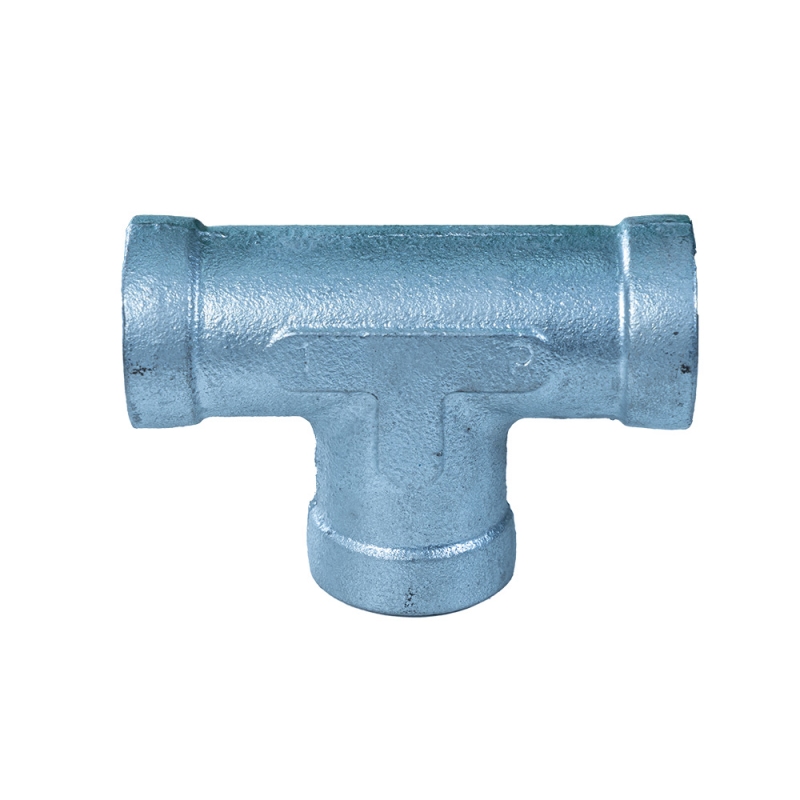
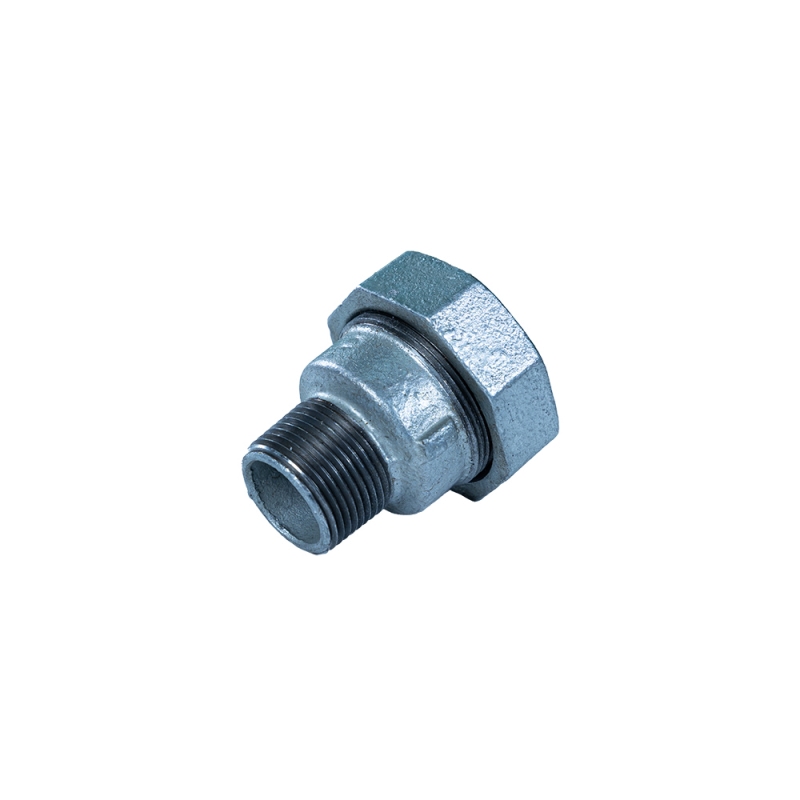
Simply put, a galvanized pipe reducer is a specialized fitting designed to connect pipes of two different diameters. It’s “galvanized” because the steel is coated with a layer of zinc, typically through hot-dip galvanizing, which protects against rust and corrosion. This seemingly simple component ensures that fluid flows smoothly through pipelines without leakage or structural weakness.
In modern industry, they’re indispensable—from chemical plants where caustic materials flow, to humanitarian water supply setups in remote areas. Reducing potential pipe failure means better resource management and sustained infrastructure health.
Core Components & Key Aspects
- Durability & Corrosion Resistance: The zinc coating withstands moisture and harsh chemicals, protecting the pipe reducer for decades, even under heavy industrial use.
- Compatibility & Versatility: Available in concentric and eccentric designs, these reducers accommodate different pipeline configurations, crucial when space or layout is a constraint.
- Cost Efficiency: By extending system life and reducing maintenance frequency, galvanized pipe reducers offer long-term savings that often are overlooked upfront.
- Pressure & Temperature Tolerance: Engineered to handle a wide pressure range, they adapt to the needs of waterlines, gas pipelines, and even steam transport.
- Ease of Installation: Standardized sizes and threads allow faster deployment—vital in emergency repairs or time-sensitive projects.
Mini takeaway: Galvanized pipe reducers combine practical engineering with protective technology, making them fundamental for durable piping systems worldwide.
Product Specifications at a Glance
| Specification | Detail |
|---|---|
| Material | Hot-Dip Galvanized Carbon Steel |
| Diameter Range | 1/2" to 24" |
| Pressure Rating | 150 PSI to 300 PSI |
| Design Types | Concentric & Eccentric |
| Standards | ASTM A123, ISO 1459-1 |
Real-World Applications of Galvanized Pipe Reducers
Globally, galvanized pipe reducers show up in a surprising variety of contexts. In North America and Europe, you’ll find them in municipal water treatment plants, helping deliver safe drinking water reliably. Over in Asia-Pacific, rapid urbanization means heavy use in construction and firefighting water systems.
Oddly enough, in humanitarian scenarios, these reducers play a critical part. In post-disaster relief, where makeshift water and sanitation infrastructure must be installed quickly, the durability and easy installation of galvanized reducers reduce failure rates dramatically. It’s not just about metal fittings—it’s about preserving life through reliable infrastructure.
In remote industrial zones, like mining operations in Africa or oil fields in the Middle East, corrosion resistance and adaptability to extreme temperatures make galvanized pipe reducers irreplaceable.
Mini takeaway: Their versatility and robustness make galvanized pipe reducers vital from major urban centers to isolated field installations.
Comparing Leading Vendors
| Feature | Vendor A | Vendor B | Vendor C |
|---|---|---|---|
| Price (per unit) | $15 - $25 | $18 - $30 | $14 - $22 |
| Galvanizing Method | Hot-dip | Electro-galvanized | Hot-dip |
| Certifications | ISO 9001, ASTM | ISO 14001 | ASTM, API |
| Lead Time | 2 weeks | 3 weeks | 1.5 weeks |
Advantages & Long-Term Value of Galvanized Pipe Reducers
There’s an emotional side to this too. When you specify galvanized pipe reducers, you’re choosing trust—trust that your system won’t suddenly leak, erode, or collapse. It feels like an invisible guardian, silently protecting vital pipelines and, in many ways, the people who depend on them. It’s about safety and dignity—for patients relying on hospital water lines, communities drinking clean water, or factories maintaining production.
Practically, their cost-efficiency comes from reduced maintenance, longer lifespan, and peace of mind. The zinc zinc layer, often lasting 50+ years in moderate environments, means fewer replacements and waste—a sustainability win that aligns with modern environmental goals.
Emerging Trends & Innovations
Interestingly, the galvanized pipe reducer market is evolving too. New eco-friendly galvanizing methods that reduce hazardous waste are gaining traction. Automation in production means tighter tolerances and improved quality control. Digitalization allows pipeline monitoring paired with predictive maintenance, maximizing the value of these fittings.
Green infrastructure projects increasingly specify these reducers given their longevity and recyclability, especially where pipelines intersect with renewable energy systems like geothermal or hydropower. I suppose in 10 years, these humble fittings will be smarter and greener, quietly supporting next-gen infrastructure.
Challenges and Smart Solutions
Corrosion remains a challenge in extremely acidic or salty conditions; galvanized coatings can degrade faster. So, for offshore or highly industrial applications, additional protective measures (like epoxy coatings) or stainless steel may be required. Still, this doesn’t diminish galvanized reducers' value—it simply highlights understanding context is key when selecting materials.
Innovative solutions include hybrid coatings and better alloy formulations. Plus, modular pipeline design allows easier replacement, decreasing downtime and costs.
Frequently Asked Questions About Galvanized Pipe Reducers
- Q: What’s the difference between concentric and eccentric galvanized pipe reducers?
A: Concentric reducers align pipe centers and are used when flow symmetry is important. Eccentric reducers offset the centerline, usually installed where it's critical to avoid air accumulation or maintain pipe slope, such as in drainage systems. - Q: How long does the galvanizing typically last on pipe reducers?
A: Under normal conditions, hot-dip galvanized coatings can protect steel for 30-50 years. Environmental factors like humidity, chemical exposure, or soil acidity can shorten this lifespan. - Q: Are galvanized pipe reducers suitable for both water and gas pipelines?
A: Yes, they are widely used in both. However, gas lines require strict certification and inspections to ensure safety. The zinc coating helps prevent corrosion in both media. - Q: Can galvanized pipe reducers be customized?
A: Definitely. Many manufacturers offer custom sizes, threads, and thicknesses tailored to specific project needs, especially for large industrial plants. - Q: Where can I find trusted suppliers of galvanized pipe reducers?
A: Leading global suppliers adhere to ASTM and ISO standards. You might also want to check industry reviews or specific supplier websites like galvanized pipe reducers for trusted recommendations.
Conclusion: Why Investing in Quality Galvanized Pipe Reducers Matters
To wrap it up, galvanized pipe reducers may appear to be a small piece in the vast puzzle of infrastructure, but their impact is anything but minor. They enhance system reliability, contribute to cost savings, and support sustainability—all while quietly enduring the pressures and corrosive forces of industrial use. If you’re looking to build or maintain piping systems that last, focusing on quality galvanized reducers is a smart choice.
Visit our website to explore more about galvanized pipe reducers and how they can empower your next project.
In a world built on connections, choosing the right reducer means connecting not just pipes, but trust and longevity.
References
Post time: Dec-03-2025