
Understanding Male Reducer Coupling: Essential Component in Modern Piping Systems
Male reducer coupling might sound like a niche piece of hardware, but its role in piping and fluid transfer systems is surprisingly vital worldwide. From large industrial plants to humanitarian water supply projects, grasping what male reducer coupling is—and why it matters—can make a real difference. It ensures seamless connection between pipes of differing sizes, enabling safe, efficient, and cost-effective flow of liquids and gases. Understanding this component is key not only for engineers and technicians but for organizations looking to optimize infrastructure durability and sustainability.
Global Context: Why Male Reducer Coupling Matters
The world’s infrastructure depends heavily on piping systems. According to ISO standards, efficient piping connections reduce wastage and prevent leaks, which is crucial across sectors like oil and gas, water treatment, and even food processing.
Worldwide, the global piping market is expected to grow steadily—by over 5% annually in some projections—driven by the expansion of urban infrastructures and renewable energy projects. Challenges such as aging systems, varying pipe sizes, and demand for rapid deployment installations directly call for reliable connectors like a male reducer coupling. These fittings solve the tricky problem of joining pipes with different diameters while maintaining pressure integrity and flow efficiency.
What Is a Male Reducer Coupling?
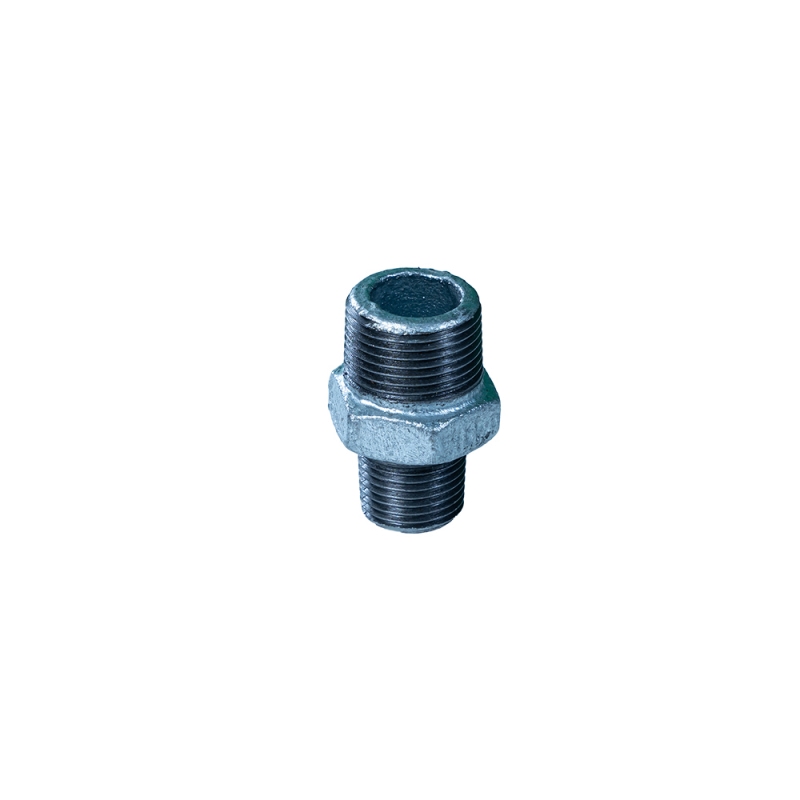
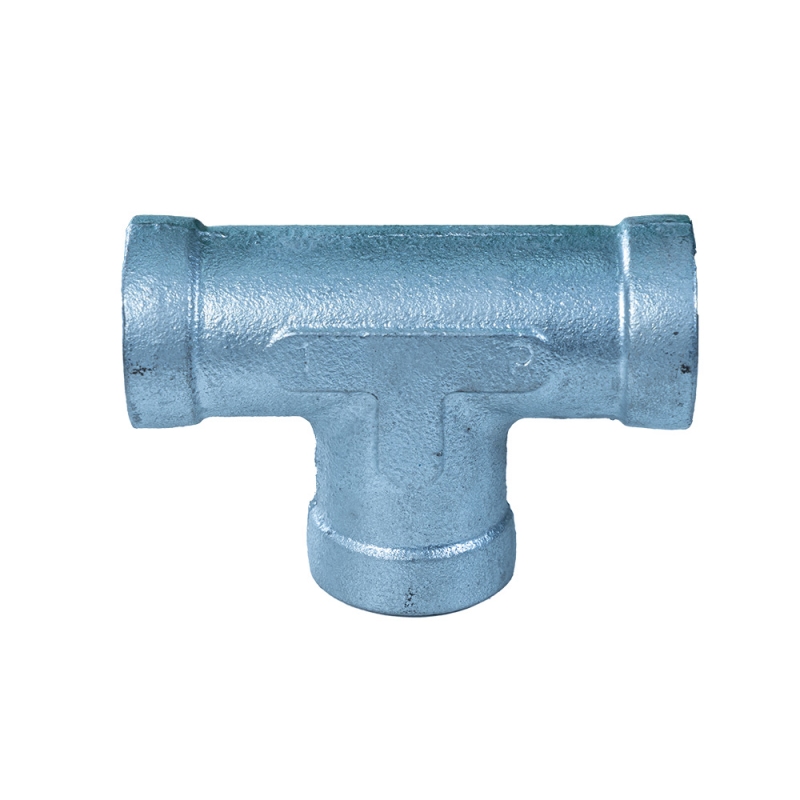
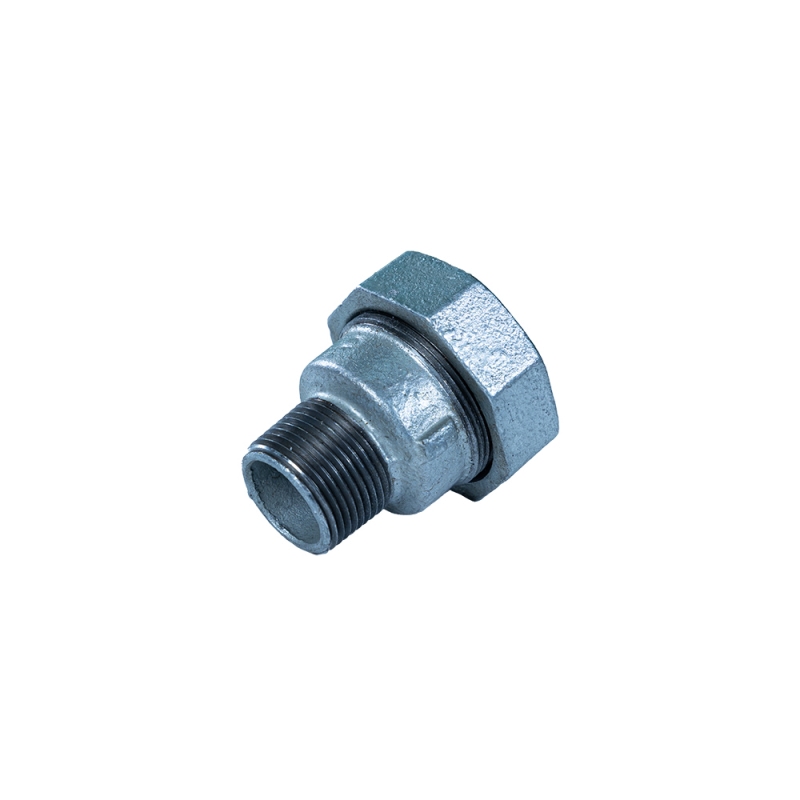
Simply put, a male reducer coupling is a type of pipe fitting designed to connect two pipes of different diameters where the smaller end is a male thread that screws into a female thread of a larger pipe or fitting. It's essentially a transitional piece allowing two mismatched pipes to join without leaks or cumbersome adapters.
In modern industry, these fittings are crucial in pipelines where fluid dynamics get complex, for example, when scaling down from main lines to branch lines in water systems or chemical plants. Beyond plumbing, they are fundamental in humanitarian projects, such as quick-install water distribution networks post-disasters, where rapid, reliable connections save time and lives.
Key Components of Male Reducer Coupling and Their Practical Importance
1. Material Durability
Male reducer couplings are commonly made from stainless steel, brass, or carbon steel. Stainless steel is renowned for corrosion resistance—crucial in marine and chemical environments—while brass offers excellent machinability and affordability. Durability directly impacts maintenance cycles and safety levels in demanding applications.
2. Thread Precision
The quality and standard compliance of thread design (e.g., NPT, BSP) guarantee leak-proof connections. Poor threading can lead to costly downtime or environmental hazards, especially when dealing with sensitive fluids or gases.
3. Pressure Rating
Each coupling has a maximum pressure rating that defines safe operating limits. For example, classes range from 150 to 3000 PSI in industrial use. Using the wrong rating can result in catastrophic failure or service interruptions.
4. Size Versatility
One of the coupling's defining roles is bridging pipe sizes—commonly ranging from ½ inch to several inches in diameter. This flexibility helps engineers design modular, scalable systems fitting site-specific needs.
5. Ease of Installation
Good male reducer couplings enable quick assembly without special tools, often simply hand-tightened then finished with a wrench. This accelerates field work and minimizes human error.
Product Specification Table: Typical Male Reducer Coupling
| Feature | Specification | Remarks |
|---|---|---|
| Material | Stainless Steel 304/316 | Corrosion and chemical resistant |
| Thread Standard | NPT (National Pipe Thread) | Ensures compatibility in US-centric systems |
| Pressure Rating | 3000 PSI (Class 3000) | Suitable for high-pressure industrial pipelines |
| Size Range | ½" to 4" diameter | Accommodates common pipe sizes |
| Finish | Polished or passivated | Improves lifespan and appearance |
Global Applications: Where Male Reducer Couplings Make a Difference
From the oil fields of the Middle East to municipal water systems in Europe and humanitarian operations in Southeast Asia, male reducer coupling is everywhere. In disaster relief operations, quick pipeline assembly is critical; these fittings can be deployed swiftly to restore drinking water using pipes sourced locally, minimizing transport and logistical complexity.
Heavy industries like petrochemical refineries rely on these couplings to transition between large and small pipelines managing hazardous substances safely. Likewise, in renewable energy settings—like geothermal or biofuel plants—male reducer couplings help manage varying flow pressures and pipe diameters.
Regional Notes:
- North America: Strong adoption in oil & gas and HVAC systems.
- Europe: Emphasis on stainless steel couplings compliant with EN standards.
- Asia-Pacific: Rapid urbanization demands fast, reliable water and gas infrastructure.
- Africa: Growing use in rural water supply projects supported by NGOs.
Advantages & Long-Term Benefits
Using the correct male reducer coupling offers more than just a “fit.” It enhances system longevity by resisting leaks and corrosion, reducing costly maintenance. Because these devices help maintain flow integrity, they save energy by minimizing pressure losses.
Socially, reliable piping infrastructures supported by good couplings improve public health by ensuring consistent clean water delivery. For engineers and project managers, they embody innovation and trust—knowing your systems won’t unexpectedly fail is priceless. Frankly, that peace of mind is as critical as the metal and threading themselves.
Vendor Comparison Table: Popular Male Reducer Coupling Suppliers
| Supplier | Material Options | Price Range (per unit) | Delivery Lead Time | Certifications |
|---|---|---|---|---|
| PAN-Next Fittings | Stainless Steel, Brass | $$ – Moderate | 1–2 weeks | ISO 9001, API 6A |
| Global Pipe Supply | Carbon Steel, Stainless Steel | $ – Budget | 3–4 weeks | CE, ASTM |
| Industrial Couplings Co. | High-Grade Stainless Steel | $$$ – Premium | 1 week | ISO 9001, PED |
Future Trends: Innovations in Male Reducer Coupling
As sustainability becomes a priority, manufacturers are exploring eco-friendlier metals and coatings that maintain strength but reduce environmental impact. Additive manufacturing (3D printing) for custom, small-batch fittings is emerging, allowing bespoke sizing and complex thread geometries.
Automation in pipeline assembly with smart tools may soon require standardized, digital-compatible couplings with embedded sensors—so you know pressure, temperature, and integrity in real time. The push for green energy projects also stimulates development of couplings that tolerate extreme conditions like geothermal steam.
Challenges & Expert Solutions
While male reducer couplings are essential, they’re not without limits. Thread galling or damage during installation can cause leaks. Poorly specified pressure ratings create safety risks. And in corrosive environments, improper material choice spells disaster.
Experts recommend rigorous training on proper assembly techniques, selecting suppliers with certified quality controls, and routine inspection regimes. Advances like surface treatments and thread lubricants help mitigate wear. Sourcing verified fittings—from trusted vendors like PAN-Next Fittings—can greatly lower risk.
FAQ: Common Questions About Male Reducer Coupling
- Q: What thread types are most common for male reducer couplings?
A: NPT (National Pipe Thread) and BSP (British Standard Pipe) are the two predominant thread standards. Selection depends on regional standards and equipment compatibility. - Q: Can male reducer couplings handle corrosive chemicals?
A: Yes, if made from corrosion-resistant materials like stainless steel 316 or with protective coatings. Material choice must match the chemical environment for safety. - Q: How do I choose the right size male reducer coupling?
A: Measure the external diameters and thread types of both pipes. The reducer must match these specs exactly to ensure secure and leak-proof connection. - Q: Are male reducer couplings reusable?
A: Generally, they can be reused if undamaged, but frequent removal and installation can wear threads, so inspecting for integrity before reuse is advisable.
Wrapping Up: Why Trust Male Reducer Couplings Matters
So, in real terms, male reducer coupling is much more than a small fitting—it’s a cornerstone of efficient, safe, and flexible piping infrastructure worldwide. Whether in industry, humanitarian relief, or green energy, choosing the right coupling means protecting investments and communities alike. For reliable solutions and expert support, visit our website and explore the full range.
Mini takeaway: Optimizing your piping systems starts with quality couplings—male reducer coupling isn’t just a connector, it’s peace of mind in metal.
References
Post time: Dec-03-2025