
2 x 1 1/2 Schedule 40 Reducing Coupling: What You Should Know
If you’ve ever worked around industrial piping—or frankly, done any serious plumbing for chemical, oil, or water lines—you probably know that fittings can make or break an installation. One product I often see come up is the 2 x 1 1/2 schedule 40 reducing coupling.
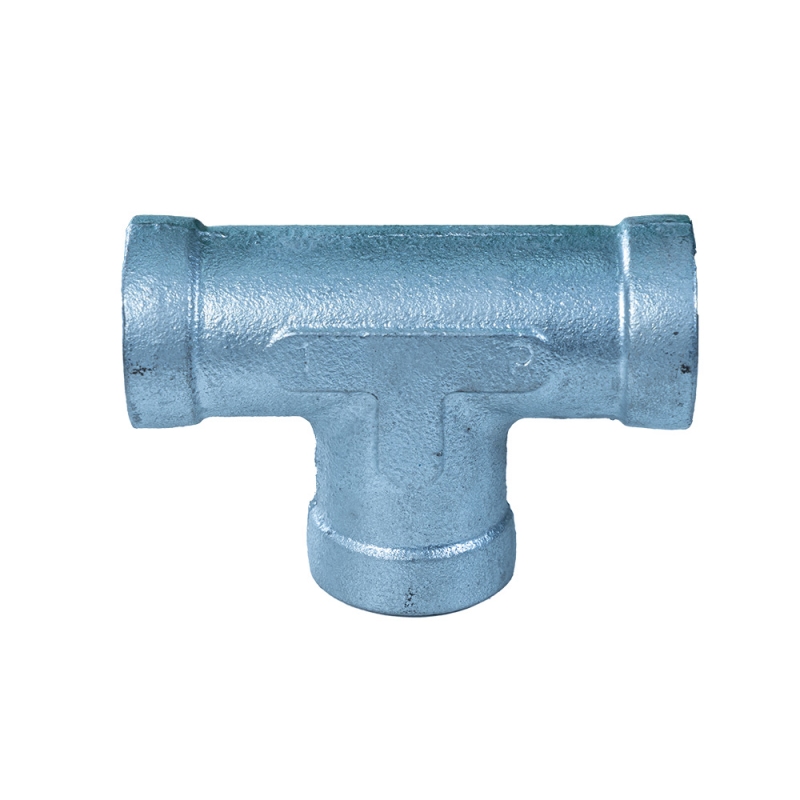
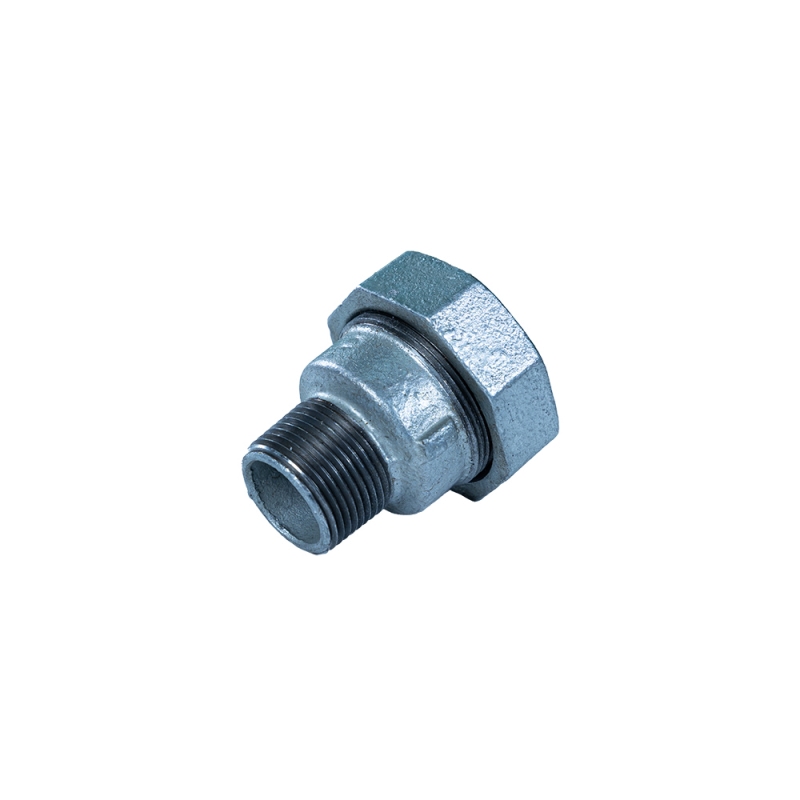
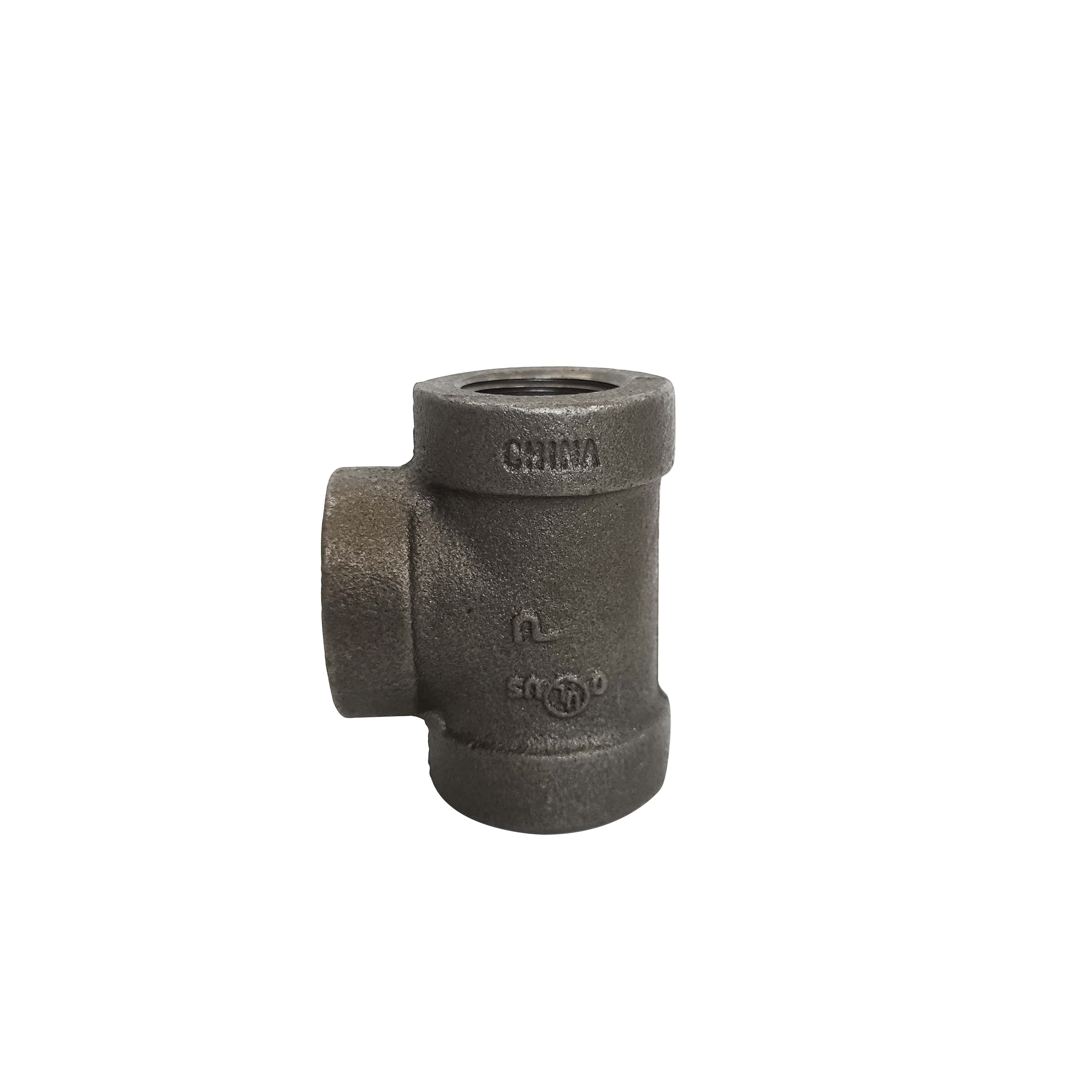
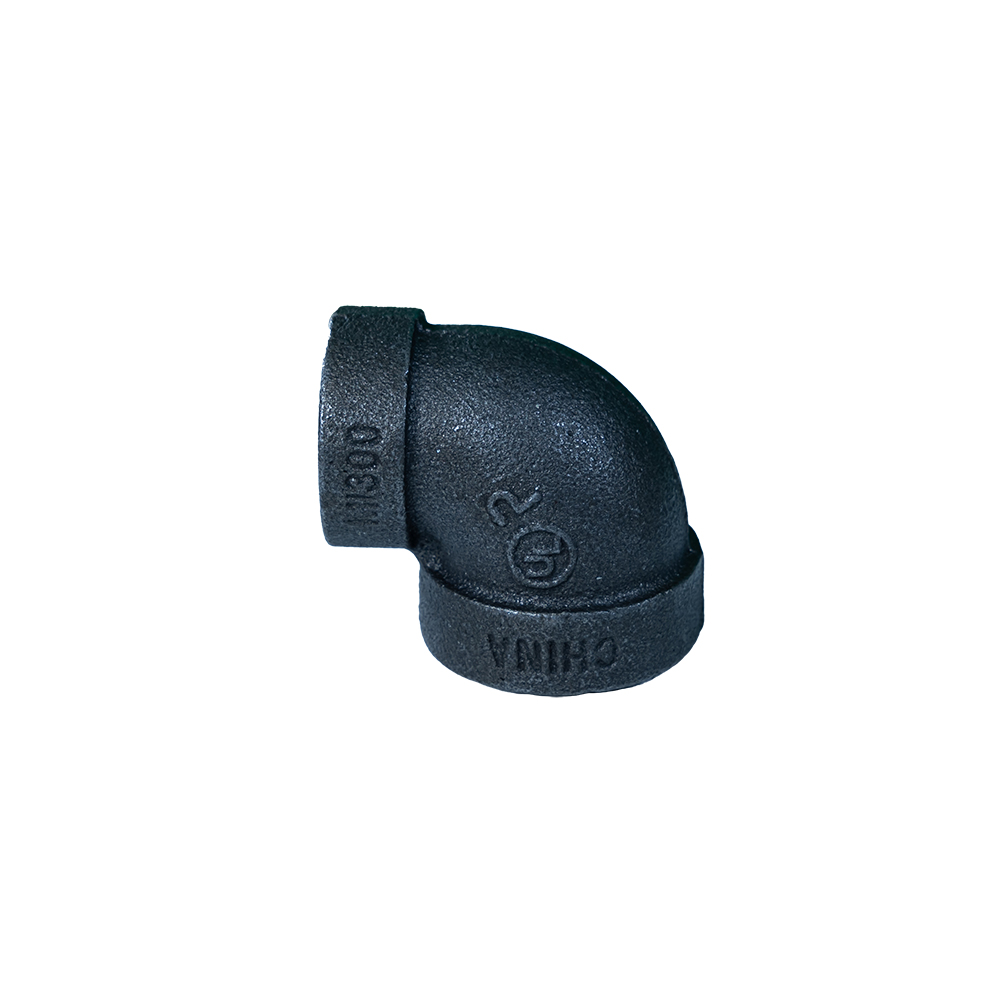
These couplings are oddly satisfying in their simplicity and usefulness. Basically, they’re a threaded fitting that connects pipes of different diameters—in this case, a 2-inch pipe down to a 1.5-inch pipe—while conforming to the popular Schedule 40 thickness standard. Schedule 40, for the uninitiated, is a pipe wall thickness spec that balances strength and cost reasonably well. You see these fittings used in a ton of industrial settings where reliability means everything.
From my years in the field, I’ve noticed that these reducing couplings often fly under the radar because they don’t have flashy features, but they quietly hold together complex systems under serious pressure. The schedule 40 designation means the coupling is durable enough to handle standard working pressures without unnecessarily adding weight or expense. It’s a practical design that has stood the test of time.
Material & Construction — Why It Matters
Most 2 x 1 1/2 schedule 40 reducing couplings I’ve dealt with are made from galvanized steel, black steel, or sometimes stainless steel for more corrosive environments. The material choice really hinges on where you intend to use them. For example, black steel is great for gas piping but rusts if exposed to moisture. Galvanized steel adds a protective zinc coating, extending the life when exposed to water, though it’s not the best for very acidic or salty conditions. Stainless steel is the top tier — more costly but highly resistant to corrosion.
In real terms, many industries mandate certain material specs. Nuclear, pharma, and food-grade applications often require stainless steel or other specialty alloys. Still, for standard industrial operations like water lines or compressed air, black or galvanized steel reducing couplings get the job done efficiently.
Specifications at a Glance
| Specification | Details |
|---|---|
| Size | 2 inch to 1 1/2 inch |
| Schedule | Schedule 40 |
| Material | Galvanized Steel, Black Steel, Stainless Steel |
| Thread Standard | NPT (National Pipe Thread) |
| Pressure Rating | Typically 300 - 600 PSI depending on material |
Vendor Comparison — Choosing the Right Supplier
In my line of work, supplier reliability can be the difference between downtime and smooth operations. I’ve put together a quick look at a few popular vendors offering this type of reducing coupling. Oddly enough, pricing differences aren’t always the biggest factor — support, delivery times, and quality consistency tend to weigh heavier.
| Vendor | Materials Available | Typical Lead Time | Price Range | Comments |
|---|---|---|---|---|
| Pannext Fittings | Galvanized, Black Steel, Stainless Steel | 1-2 Weeks | Moderate | Reliable quality, good customer service |
| Vendor B | Black Steel Only | 1 Week | Low | Lower cost but limited options |
| Vendor C | Stainless Steel Only | 3-4 Weeks | High | Premium product for harsh environments |
A Quick Anecdote
I remember a plant where the engineers were wrestling with weight restrictions on a water distribution system. They needed a strong but relatively lightweight fitting for a 2-to-1.5 inch stepdown. After testing a few options, they found the Pannext schedule 40 reducing coupling hit the sweet spot—sturdy, corrosion resistant enough, and easy to install with standard tools. It’s the kind of small decision that makes a big operational difference.
So, honestly, these couplings might not be the flashiest parts on a job site, but they’re essential workhorses. Getting them right means fewer leaks, less downtime, and a whole lot less headache.
If you’re evaluating options, keep an eye on material certification, thread quality, and lead times. The last thing you want is to hold up a project because the coupling doesn’t quite fit or arrives late.
Thanks for joining me on this slightly nerdy dive into the humble but crucial 2 x 1 1/2 schedule 40 reducing coupling. It really is one of those “quietly essential” components in pipefitting.
In the end, it's those little details in fittings and specs that keep your system running without a hiccup.
References:
- Piping Materials Guide, Industrial Press, 2022
- ASME B1.20.1 – National Pipe Thread Standards
- Personal field experience in industrial maintenance and installation, 2005-2023
Post time: Dec-11-2025