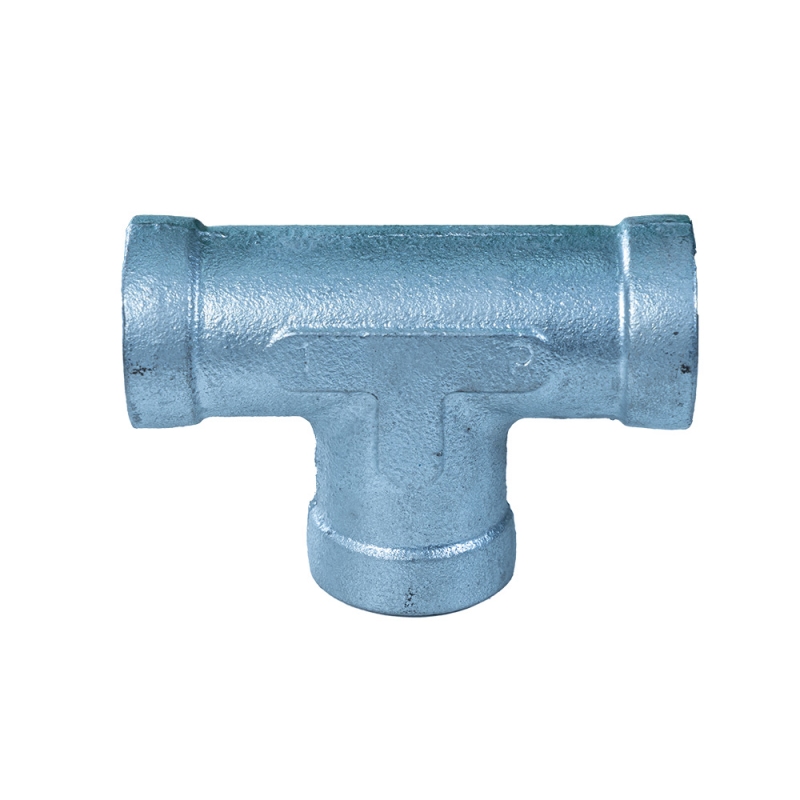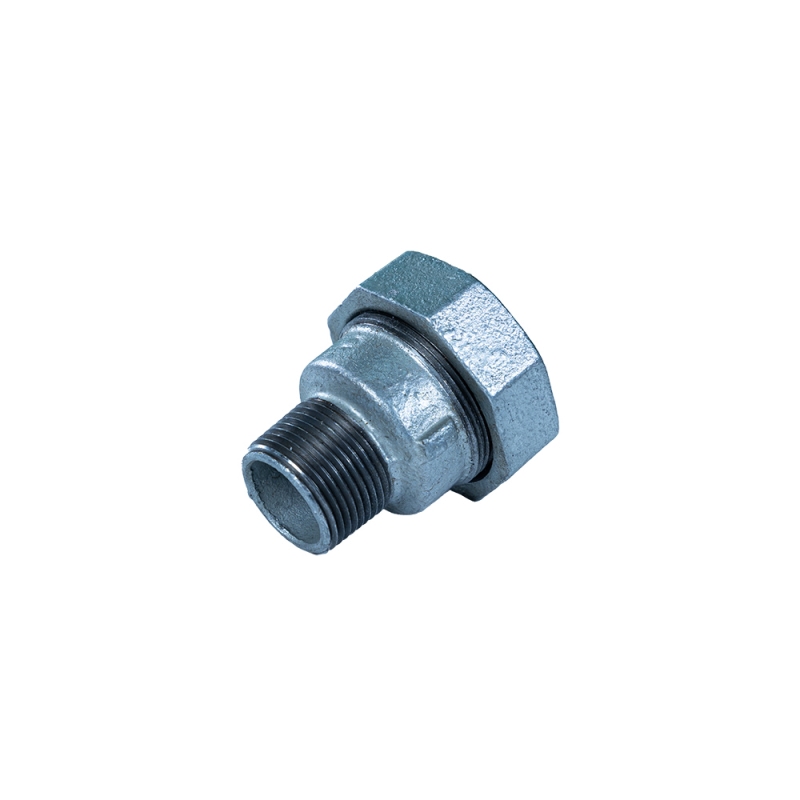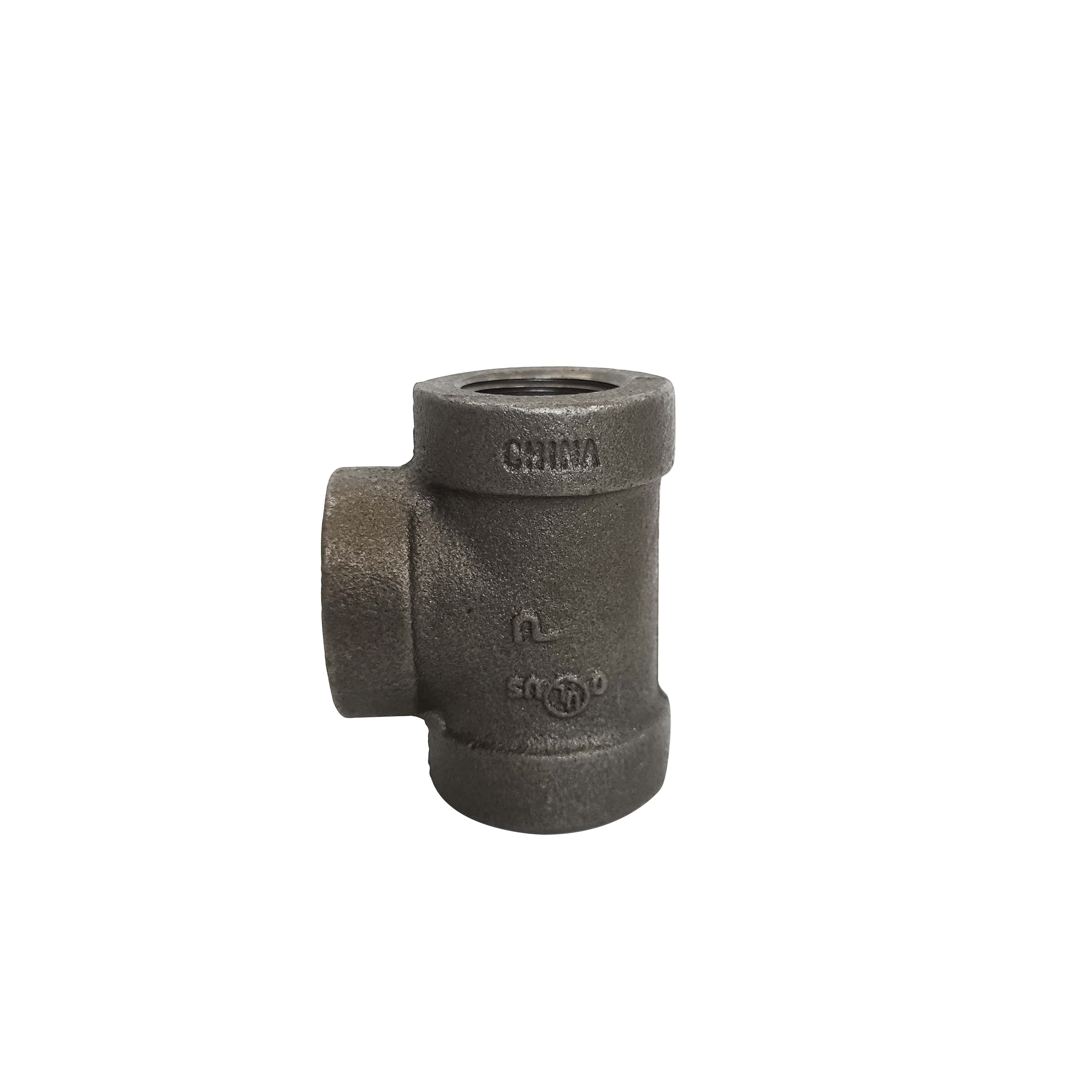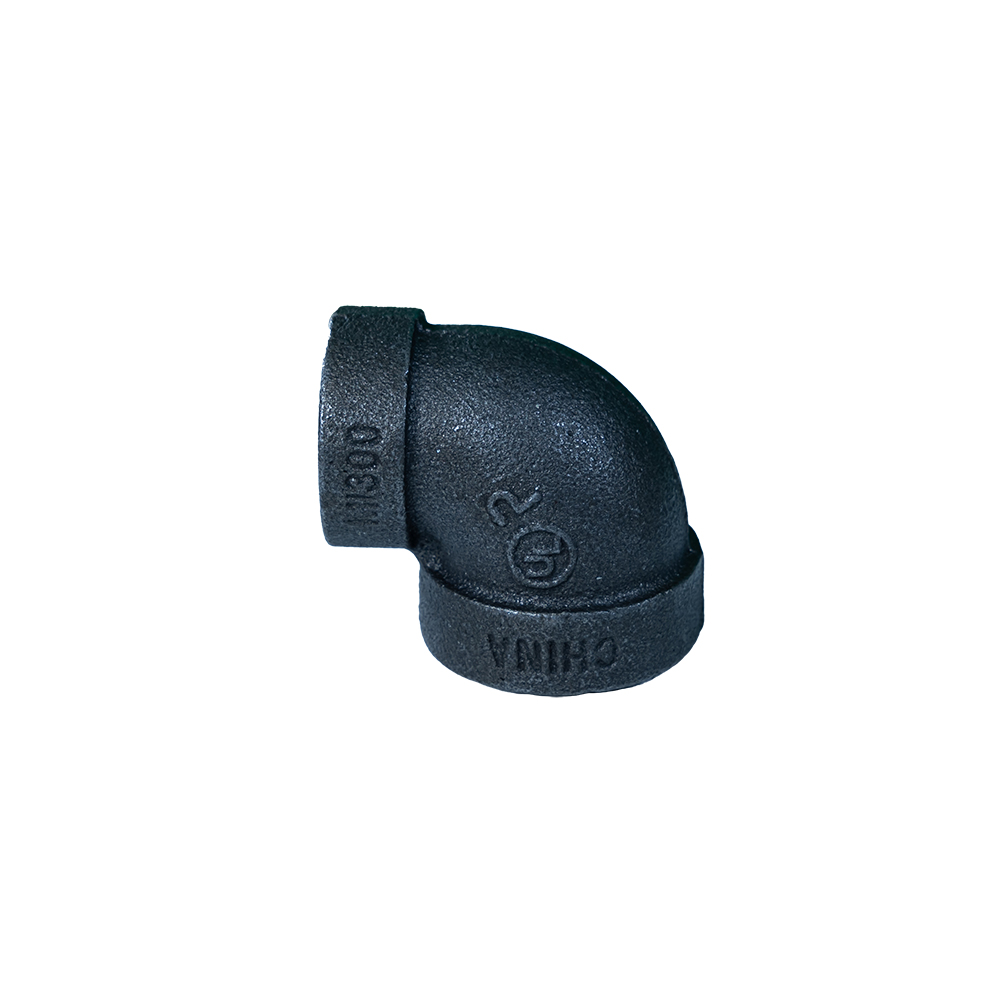

Understanding the 22mm Female to 15mm Male Reducer
Having spent over a decade in the industrial equipment sector, I can honestly say that the humble 22mm female to 15mm male reducer often goes underappreciated despite its critical role in countless piping systems. These fittings might seem simple on the surface—a small connector that steps down pipe sizes—but the nuances around their design and application are worth a closer look.
Frankly, anything that adapts between dissimilar pipe dimensions needs to be reliable. I’ve seen situations where an overlooked reducer caused leaks or pressure drops, turning a straightforward job into a headache for engineers and technicians alike. The 22mm female to 15mm male reducer is widely used in both water and pneumatic systems, especially where space constraints mean you need a compact, solid connector.
Oddly enough, although the concept is simple, the quality varies a surprising amount depending on materials and manufacturing precision. Many engineers I’ve worked with emphasize the importance of materials—polypropylene, brass, or even stainless steel—each chosen based on fluid type, temperature, and environmental stress. For instance, polypropylene offers decent chemical resistance combined with affordability, while brass often wins out in more demanding, high-pressure scenarios.
Product Specifications at a Glance
| Specification | Details |
|---|---|
| Connection Type | 22mm Female x 15mm Male |
| Material | Polypropylene (PP) / Optional Brass |
| Operating Pressure | Up to 10 Bar (PP), 20 Bar (Brass) |
| Temperature Range | -20°C to 80°C (PP), up to 150°C (Brass) |
| Applications | Water systems, compressed air, light chemicals |
| Standards | ISO 228 / BSP certified threads |
It’s also worth pointing out the testing process. In my experience, the gear that passes rigorous pressure and leak tests gives peace of mind, and most good suppliers do offer warranties and certifications proving exactly that. If you end up with something that feels cheap or loose, it’s usually a sign to shop around.
Vendor Comparison: Picking the Right Supplier
| Feature | PanNext Fittings | Competitor A | Competitor B |
|---|---|---|---|
| Material Choices | PP, Brass, Stainless Steel | PP, Brass | PP only |
| Pressure Rating | Up to 20 Bar | Up to 15 Bar | Up to 10 Bar |
| Industry Certifications | ISO, RoHS, REACH | ISO Only | None |
| Lead Time | 2–3 days | 5–7 days | 7+ days |
| Price (per unit) | $$ | $$$ | $ |
I recall a recent project where a small manufacturing plant faced recurring pressure issues due to worn-out reducers in their liquid cooling system. Switching to a higher-grade 22mm female to 15mm male reducer, specifically sourced from a supplier with robust testing procedures, completely stabilized their system. It was a reminder that these little parts sometimes have a bigger impact than you’d expect.
Also, customization is surprisingly common—many clients ask for specific thread types or material coatings depending on their industry. If you’re working in agriculture or food-grade applications, make sure your reducer complies with relevant hygiene and safety standards. It’s not always written in the specs but does influence long-term reliability.
At the end of the day, when choosing your 22mm female to 15mm male reducer, think beyond price alone. Consider the supplier’s experience, product traceability, and feedback from other users — you know, all those little details that only come with time and insider perspective.
So, there it is: the unassuming yet indispensable 22mm female to 15mm male reducer. Don't underestimate the value it adds, because as I've learned, a system is only as strong as its weakest link—and believe me, it’s often a fitting.
References:
- Industrial Piping Standards Handbook, 3rd Edition, 2022
- Material Science for Fluid Systems, J. Smith, 2021
- Quality and Testing in Pipe Fittings, Piping Mag, Volume 45, 2023
Post time: Dec-12-2025