
Understanding the 25mm 22mm Reducer: A Small But Mighty Industrial Essential
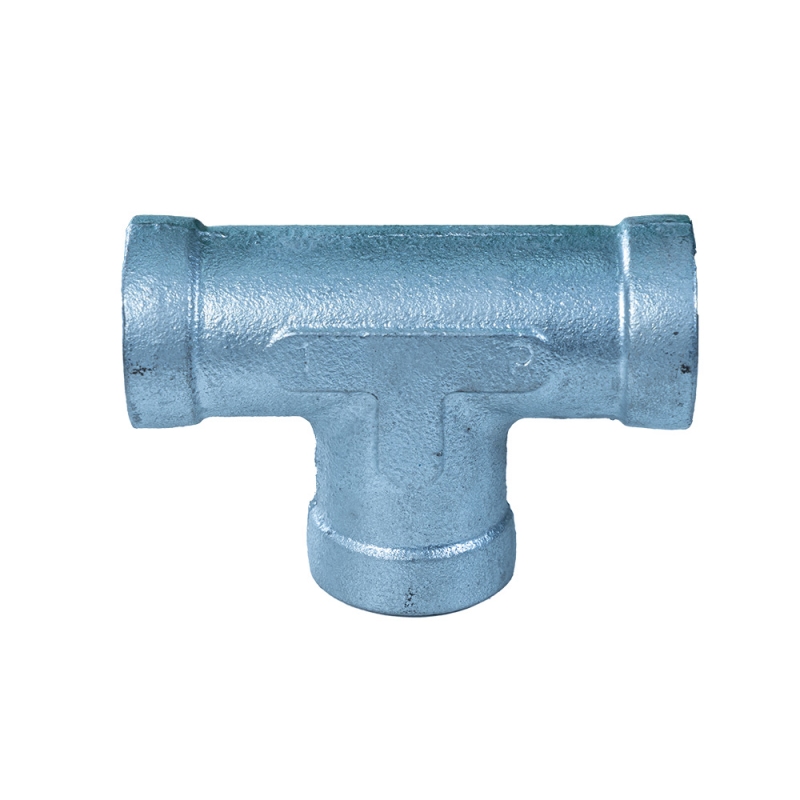
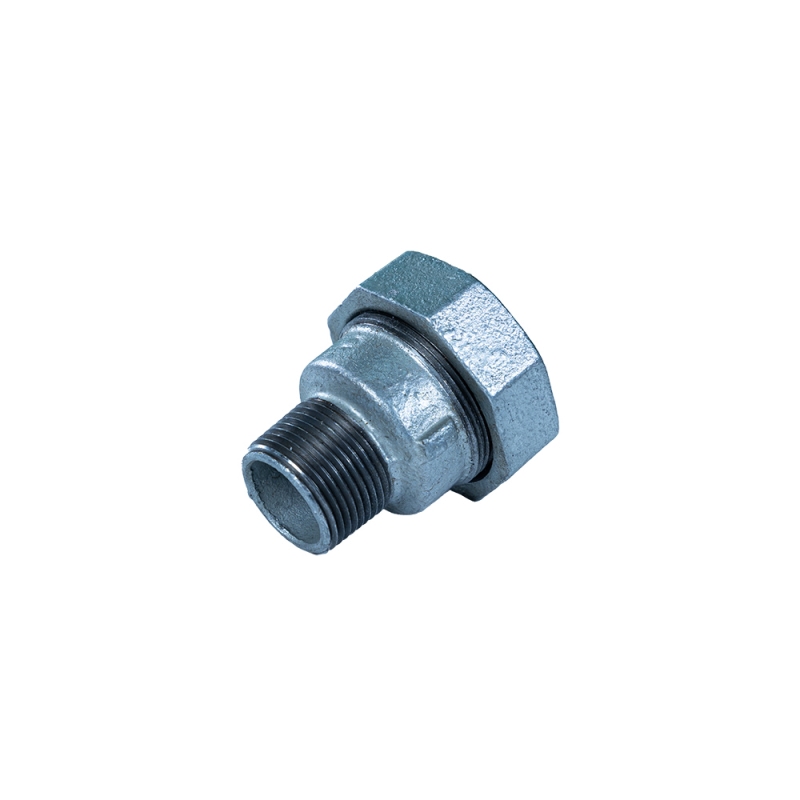
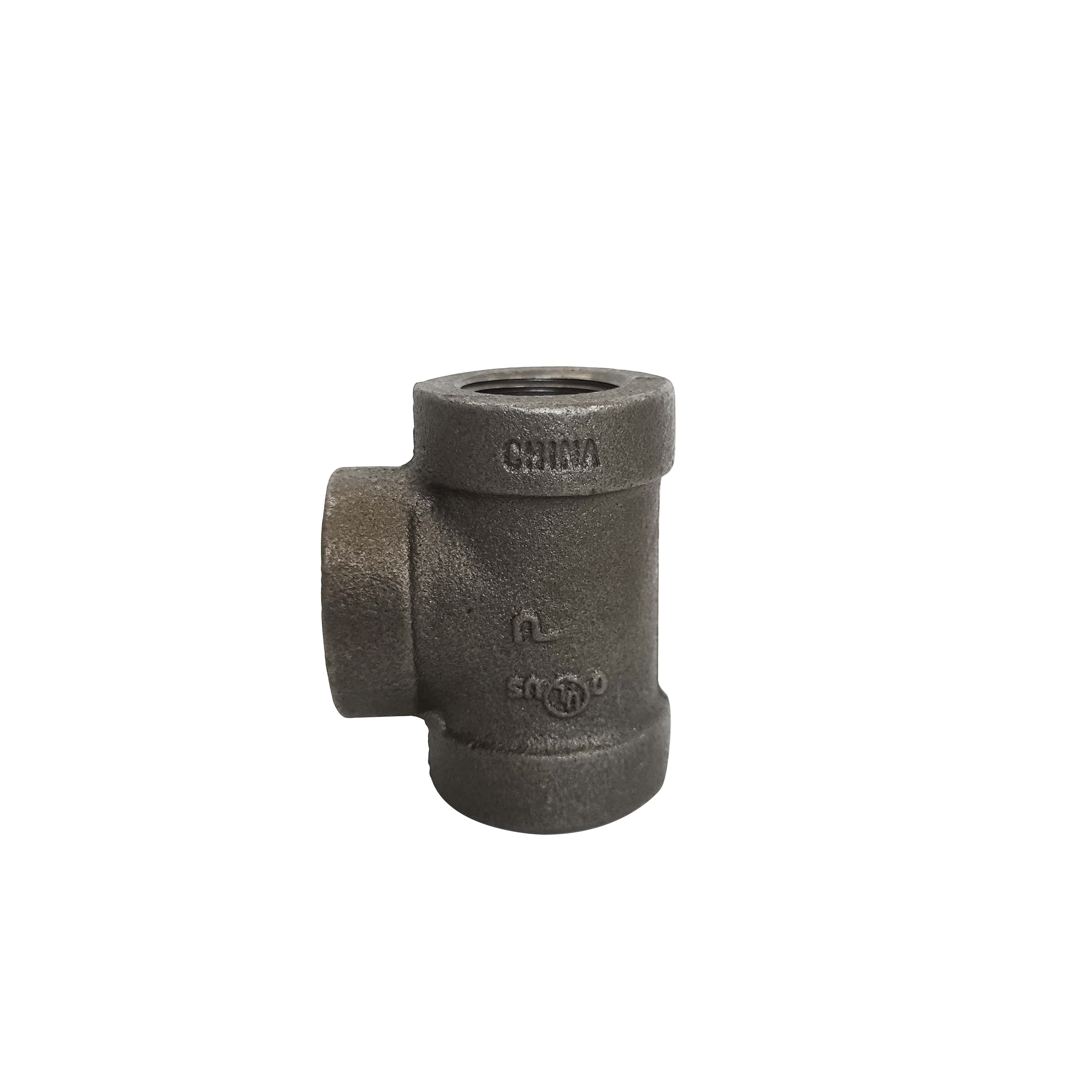
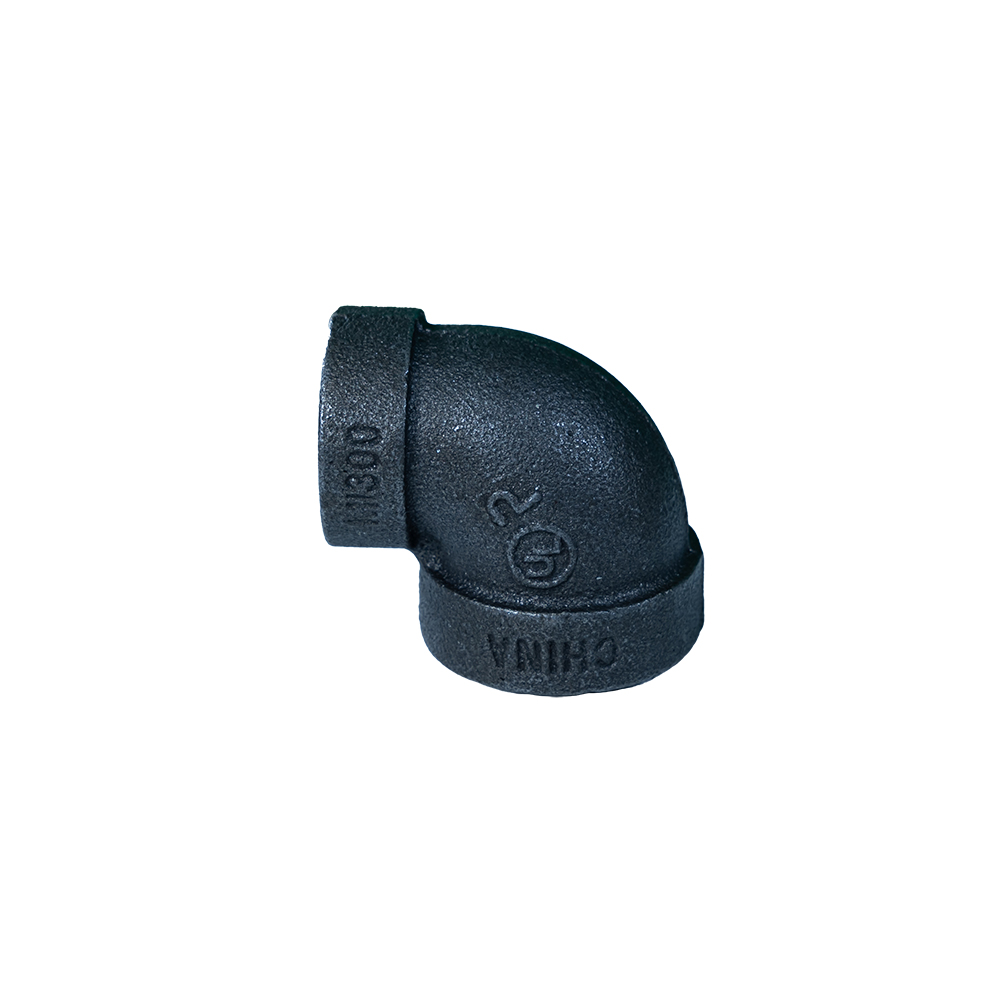
Having worked in the industrial equipment space for over a decade, I’ve seen dozens of fittings come and go, yet the 25mm 22mm reducer remains a staple. It’s one of those humble components that often flies under the radar but is absolutely critical in fluid systems, piping networks, and even complex machinery setups.
In real terms, a reducer enables the connection of pipes with different diameters — in this case, from 25mm down to 22mm. You’d think that a tiny difference of 3mm wouldn’t matter much, but oddly enough, it really does. Matching diameters precisely avoids turbulence, pressure loss, and even equipment failures downstream.
Many engineers I’ve spoken with insist on stainless steel variants for their durability and corrosion resistance, especially in chemical or high-pressure environments. But depending on the application, you might find brass, carbon steel, or even plastic reducers that do the job just fine. It all comes down to compatibility, pressure ratings, and cost-effectiveness.
One thing I’ve noticed is that while specifications often look straightforward on paper, the real challenge is in quality consistency. Not all reducers, even if dimensionally identical, are created equal. Materials might vary slightly or fittings might lack seamless welding, which can mean premature wear. That’s why I’m always partial to suppliers who certify their specs and have good quality control.
A friend of mine recalled a recent project in a wastewater treatment plant where cheap reducers caused serious leaks. After switching to better-grade units, including the 25mm 22mm reducer, system efficiency improved markedly — peace of mind and less downtime. It’s those small things, you know?
Here’s a quick glance at typical product features for a 25mm 22mm reducer you might find in industrial catalogs:
| Feature | Specification |
|---|---|
| Material | Stainless Steel (304/316) or Brass |
| Connection Type | Socket Weld, Threaded, or Butt Weld |
| Diameter Reduction | 25mm to 22mm |
| Pressure Rating | Up to 16 bar (varies by material) |
| Temperature Range | -40°C to 200°C (depending on material) |
| Standards | ASTM, ISO, DIN (depending on manufacturer) |
When scouting for vendors, I’ve always valued transparency and breadth of options — especially if you want different materials or connection styles. Not to mention reasonable lead times. Here’s a quick comparison of some well-known suppliers in the market providing 25mm 22mm reducers:
| Vendor | Material Options | Custom Sizes | Certifications | Lead Time |
|---|---|---|---|---|
| Pannext Fittings | Stainless Steel, Brass | Available | ISO9001, ASTM | 2-3 weeks |
| Global Steel Supplies | Carbon Steel, Stainless Steel | Limited | ISO9001 | 3-5 weeks |
| ValvePro | Brass, Plastic | No | CE, ISO | 1-2 weeks |
If you’re serious about reliability, it’s always worth reaching out to reputable vendors like Pannext Fittings. They’ve got a solid track record with their consistent build quality and decent customization options.
In closing, the 25mm 22mm reducer might be a small part, but in the bigger machinery picture, it’s a key player. Skimp on quality here, and you might face leaks or system inefficiencies harder to trace. I suppose it feels like one of those “unsung heroes” – simple, effective, and quietly holding everything together.
Remember, whether you’re specifying equipment for heavy industrial plants or smaller setups, take a minute to consider the subtle but important role of reducers — not just their size but their material, pressure rating, and certification.
— A seasoned industry hand.
References:
1. ASTM and ISO piping standards
2. Industry quality control reports
3. Interviews with mechanical engineers (2021-2023)
Post time: Dec-12-2025