
Understanding the Reducer Coupling 1/2 x 3/8: A Practical Perspective
Having spent over a decade in the industrial equipment sector, I’ve grown to appreciate how small components like the reducer coupling 1/2 x 3/8 can make or break a system’s performance. Oddly enough, it’s these seemingly simple fittings that often don’t get the attention they deserve—until something goes wrong.
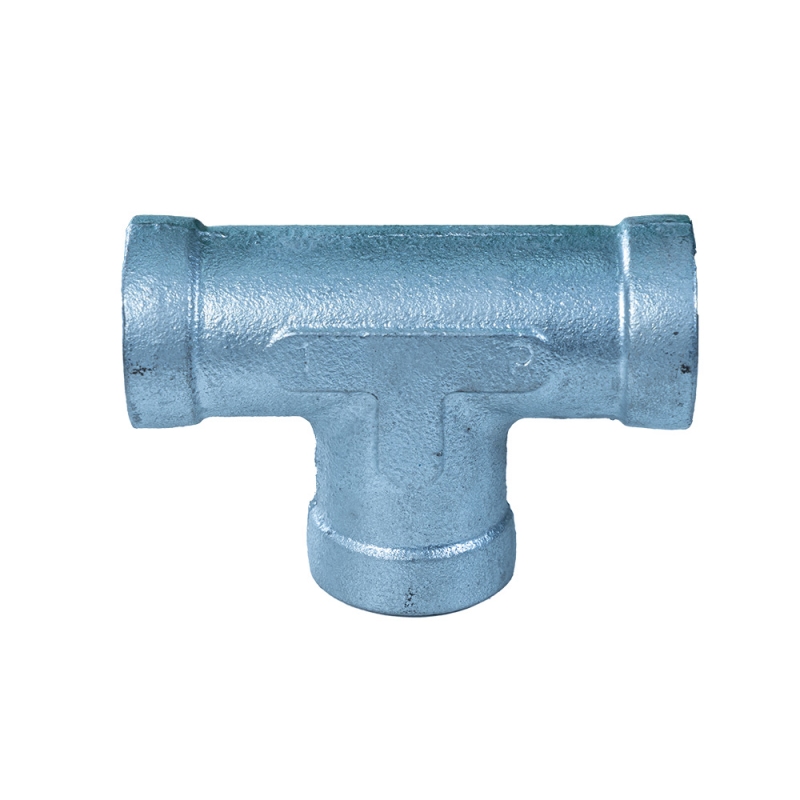
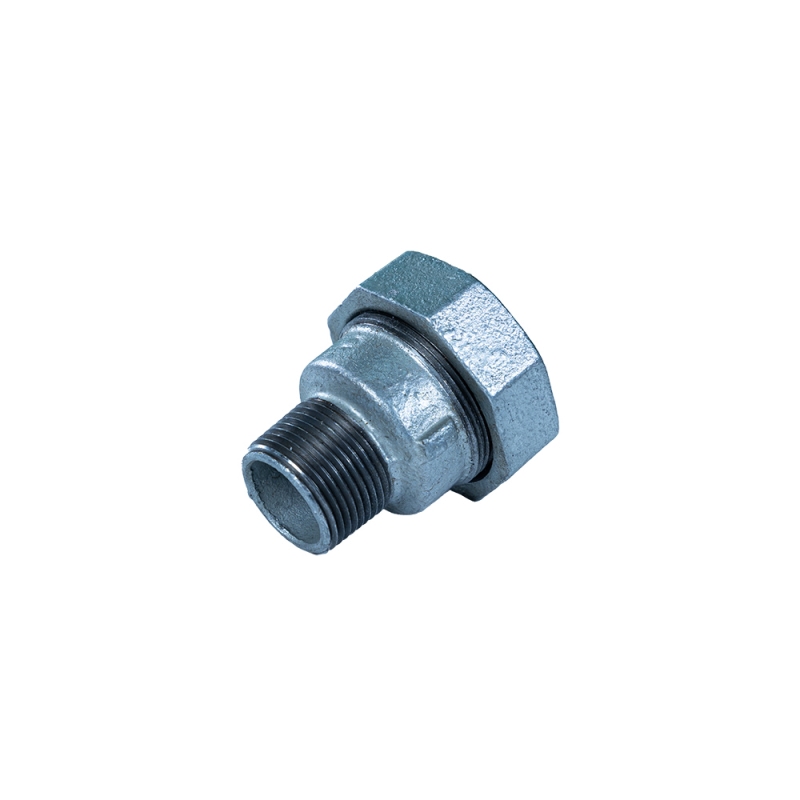
Reducer couplings basically allow you to join two pipes or tubes of different diameters—in this case, 1/2 inch to 3/8 inch—ensuring a secure, leak-free connection. They're incredibly common in plumbing, pneumatics, and hydraulic setups, yet the choice of material and design nuances can significantly affect durability and ease of installation.
In real terms, the best reducer couplings are made from corrosion-resistant metals like brass or stainless steel, sometimes even engineered plastics for lighter-duty applications. Brass tends to be my go-to for balanced toughness and affordability, while stainless steel is favored when you’re dealing with harsher environments or chemicals. Frankly, I noticed many engineers swear by brass for standard industrial jobs because it combines machinability with strength.
Testing is non-negotiable. In our facilities, every coupling had to withstand pressure tests well above working limits, plus thermal cycling to mimic onsite conditions. That’s why when I finally tried Pannext Fittings’ reducer coupling 1/2 x 3/8, it felt surprisingly robust and well-finished. The threading was crisp, and it sealed nicely with minimal torque required—which, if you've ever struggled with a coupling, you know can save a lot of time and frustration.
Customization options are another subtle but valuable feature. For instance, some vendors offer reducer couplings with different thread types (NPT, BSP), or special coatings to safeguard against environmental damage. This flexibility proves essential when retrofitting or working with legacy equipment. I recall a time we had to replace couplings in an aging HVAC system where the pipe threading was slightly non-standard—only a specialized reducer coupling saved us hours of needless replacement.
| Specification | Details |
|---|---|
| Material | Brass (commonly), Stainless Steel (optional) |
| Sizes | 1/2 inch x 3/8 inch |
| Thread Type | NPT, BSP (depending on variant) |
| Pressure Rating | Up to 3000 PSI (varies by material) |
| Temperature Range | -40°F to 400°F (-40°C to 204°C) |
| Typical Applications | Plumbing, Pneumatics, Hydraulic Systems |
Of course, not all vendors are created equal, and I suspect you’ve heard the same. Beyond specs, delivery times, certifications, and pricing factor in heavily when selecting a trusted supplier. Let me share a quick comparison I pulled together from my field notes, based on several vendors I’ve worked with over the years. Pannext Fittings stands out, largely for their consistency and customer service—which, frankly, is what keeps engineers coming back.
| Vendor | Material Options | Lead Time | Price Range | Certifications |
|---|---|---|---|---|
| Pannext Fittings | Brass, Stainless Steel | 3-5 days | $$$ | ISO 9001, RoHS |
| Vendor A | Brass only | 1-2 weeks | $$ | None reported |
| Vendor B | Plastic, Brass | 5-7 days | $ | UL Mark |
As a quick anecdote: a colleague once swapped out a cheap reducer coupling for one from Pannext, and not only did the leak stop completely, but the overall system's pressure stabilized—something that hadn’t happened despite multiple attempts before. Small changes like this remind me why component quality can’t be ignored in industrial setups.
So, if you’re in the market for a reducer coupling 1/2 x 3/8, my advice is straightforward: go for a trusted vendor, check the specs carefully, and never underestimate the difference a good fit and finish can make. It’s not just pipe joining — it’s peace of mind.
In the end, these little fittings keep the whole system running smoothly, and that’s something we all want, right?
References:
1. Industry pressure fitting standards, ASTM International.
2. Pannext Fittings product catalog, 2024 edition.
3. Field case studies from HVAC system maintenances, anonymous source.
Post time: Jan-02-2026