
Understanding 90 Degree Pipe Fitting – Why It Matters Worldwide
At first glance, a 90 degree pipe fitting might seem like a small, almost trivial component in the massive world of piping and fluid transport systems. Yet, its role is quite huge—and surprisingly global in impact. Whether it’s plumbing water for a family’s daily use or channeling industrial chemicals halfway across a continent, these fittings facilitate direction changes in pipelines with precision and reliability.
Globally, millions of miles of piping rely on these joints, making their quality and design crucial for safety, cost management, and environmental protection. Understanding how a 90 degree pipe fitting works and what sets the best apart can save industries vast sums in maintenance and downtime, keeping everything flowing smoothly.
The Global Context: Why Pipe Fittings Are a Critical Industry Backbone
From the pipelines beneath our cities to massive industrial plants, piping infrastructure tends to be invisible but indispensable. According to the International Organization for Standardization (ISO 9001:2015), pipe fittings are essential components whose failure could mean extensive damage or hazards. The global piping market is projected to surpass $190 billion in the next few years, with 90 degree fittings making up a significant portion, especially in oil & gas, water treatment, and construction sectors.
Every time a pipeline bends, especially sharply at 90 degrees, the stresses change dramatically. Without durable, precisely manufactured elbows or fittings, leaks or cracks can cascade into disasters, environmental damage, and expensive repairs. This is particularly true in regions facing harsh climates or seismic activity, where infrastructure resilience is vital.
Mini takeaway:
Essentially, 90 degree pipe fittings are small gears in the grand engine of global infrastructure—they keep liquid and gas moving safely and efficiently across industries and geographies.
What Exactly Is a 90 Degree Pipe Fitting?
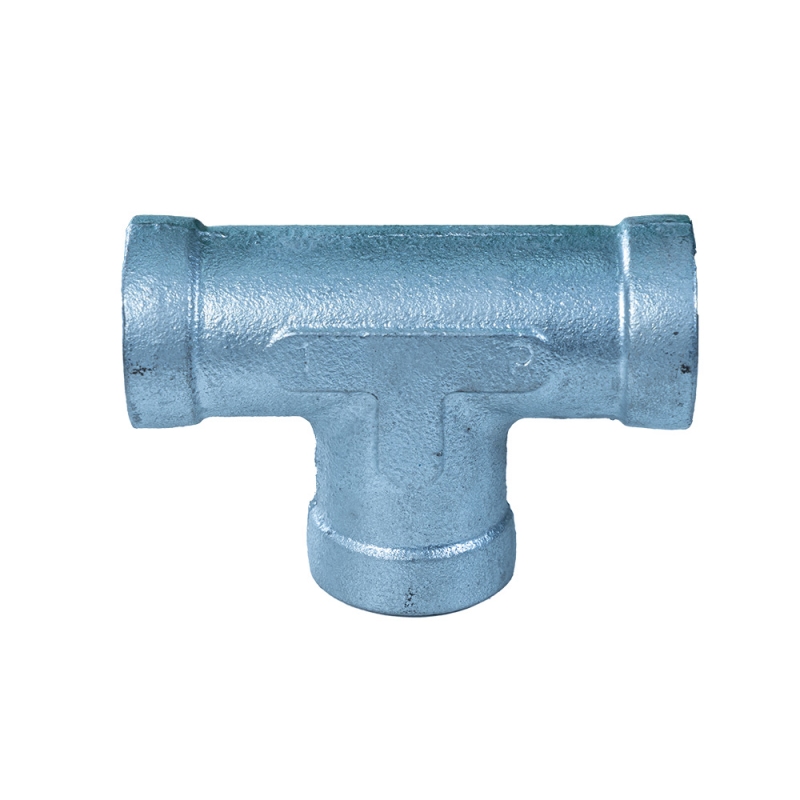
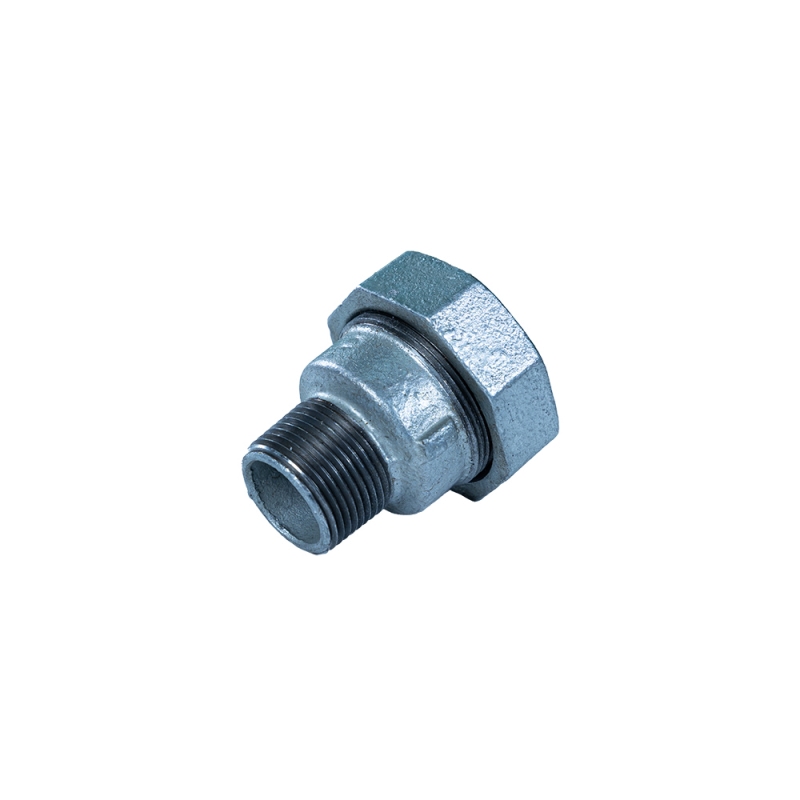
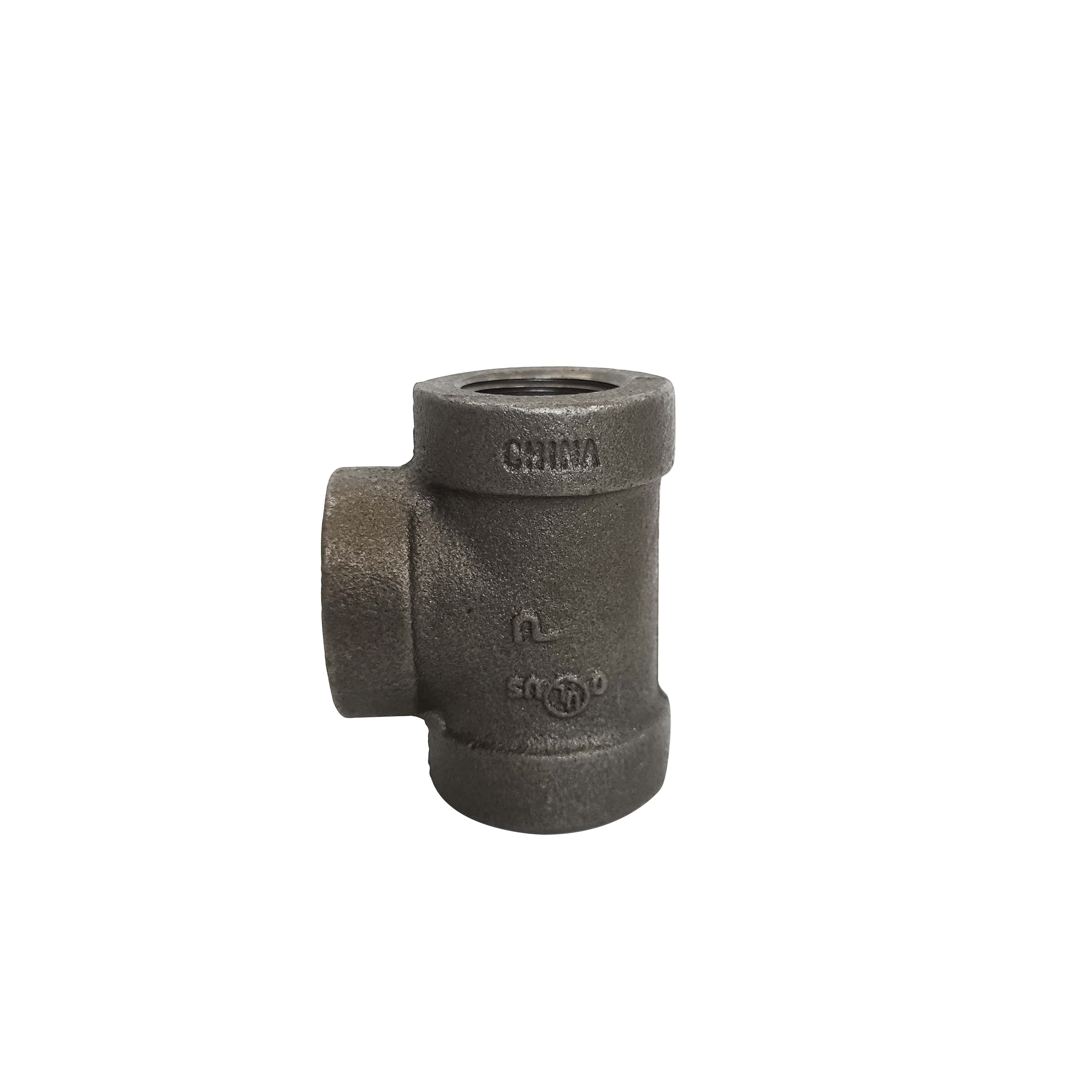
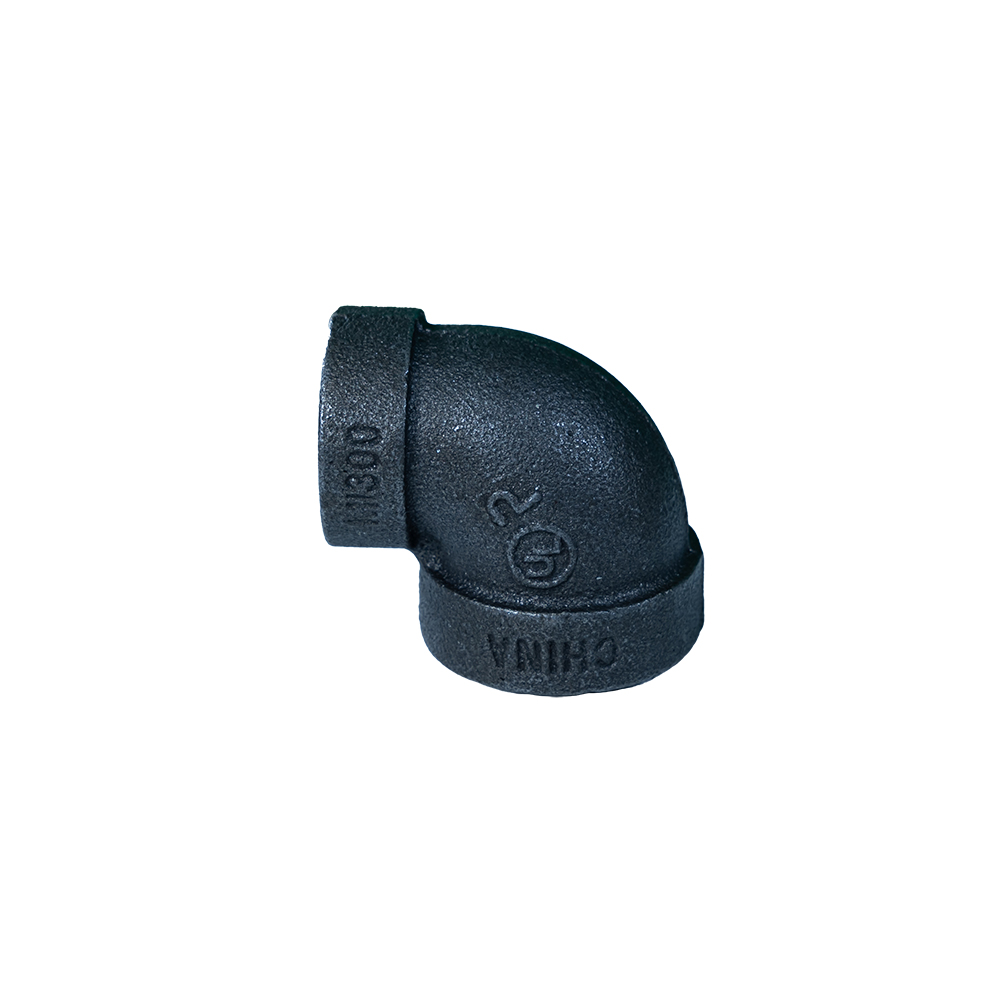
Put simply, a 90 degree pipe fitting is a plumbing component used to join two sections of piping at a right angle. This bending device redirects flow in a piping system—be it water, oil, gas, or other fluids—without kink or flow disruption. Often called an elbow fitting, it’s available in various materials such as stainless steel, PVC, copper, and more.
In humanitarian crises, where temporary water systems or sanitation pipelines must be quickly established, these fittings become instrumental. They enable rapid configuration of piping layouts, adapting to terrain, shelter layouts, or supply routes. The role they play in daily life and emergency response alike is surprisingly profound.
Key Factors to Consider When Choosing 90 Degree Pipe Fittings
Durability and Material Quality
The fitting’s lifespan hinges on its material. For industrial uses, stainless steel or galvanized steel is popular for corrosion resistance and high pressure tolerance, while PVC or CPVC is ideal for residential or chemical applications. Material selection aligns with the pipeline’s contents and local environmental factors.
Pressure Rating and Flow Efficiency
Not all elbows are made equal. Proper pressure rating ensures the fitting withstands operational stresses without failing. The internal curvature’s design impacts flow rate—tight corners might induce turbulence, so premium fittings balance a strict 90-degree angle with smooth flow.
Ease of Installation and Compatibility
Compatibility with pipe diameter and type matters. Some fittings come with threaded ends; others require welding or solvent cementing. Ease and speed of installation can reduce labor costs and avoid downtime on critical projects.
Cost Considerations
In practice, price is not just about the sticker. It’s about long-term value: less maintenance, fewer leaks, and downtime translate to huge savings. “Cheap” fittings may falter, costing more over years.
Regulatory Standards and Certifications
Compliance with ISO, ASTM, or regional standards guarantees safety and performance. Buyers should always verify certifications for their operating region.
Mini takeaway:
Choosing the right 90 degree fittings isn’t just buying a metal elbow—it’s an exercise in matching materials, design, and cost for your specific flow, pressure, and environmental needs.
Real-World Applications of 90 Degree Pipe Fittings
These fittings find homes in wildly different settings worldwide:
- Urban Water Systems: In cities, these fittings are everywhere—redirecting water supply and waste drainage to household taps or treatment plants.
- Oil & Gas: Remote industrial sites rely on high-grade steel elbows to navigate harsh terrains and extreme pressures, often in environmentally sensitive areas.
- Disaster Relief: NGOs rapidly deploy piping networks in emergency camps, often using plastic 90 degree connectors to configure temporary systems for sanitation and potable water.
- Agriculture Irrigation: From greenhouses in Europe to rice terraces in Asia, these fittings adjust flow lines in irrigation systems, critical for crop yields.
Oddly enough, such a small piece can be found everywhere—from a remote village in sub-Saharan Africa to a high-tech refinery in the Middle East.
Typical Product Specification Table
| Specification | Standard Model | Premium Model |
|---|---|---|
| Material | PVC (Polyvinyl Chloride) | 316 Stainless Steel |
| Diameter Range | 1/2" to 4" | 1/2" to 12" |
| Pressure Rating | 150 PSI | 1000 PSI |
| Connection Type | Solvent Weld | Butt Weld or Threaded |
| Corrosion Resistance | Good for household water | Excellent (chemical & marine environments) |
| Price Estimate (per unit) | $2 - $8 | $20 - $75 |
Comparing Top Vendors for 90 Degree Pipe Fittings
| Vendor | Material Range | Price Range | Global Reach | Custom Solutions |
|---|---|---|---|---|
| Pannext Fittings | PVC, CPVC, Stainless Steel | $$ - $$$ | Worldwide | Yes (custom angles & sizes) |
| Global Pipe Systems Ltd. | Steel, Copper, Brass | $$$ | Europe, Asia | Limited |
| EcoFlow Fittings | Recycled Plastics | $ - $$ | North America | None |
What Makes 90 Degree Pipe Fittings So Valuable in the Long Run?
The benefits go far beyond just turning a corner in pipes:
- Cost Savings: High-quality fittings reduce leaks and maintenance, translating to fewer emergency repairs and less downtime.
- Sustainability: Durable fittings minimize waste and environmental contamination, crucial as global water and energy demands rise.
- Safety & Trust: Well-engineered connections prevent accidents—from minor drips to catastrophic pipeline bursts.
- Innovation & Adaptability: Custom fittings allow engineers to tailor systems to unconventional layouts and changing needs.
On the emotional side, when you install piping that just... works, it inspires confidence—for builders, operators, and users alike. There’s a quiet dignity in reliable infrastructure.
Future Directions in 90 Degree Pipe Fitting Technology
Looking ahead, innovation is creeping in from several angles:
- Smart Materials: Self-healing polymers or coatings that detect wear could extend fitting life dramatically.
- Green Manufacturing: Eco-friendly composites replacing metals or plastics to reduce carbon footprints.
- Digital Integration: Sensors embedded in pipe fittings to monitor flow, pressure, and leaks in real time.
- Modular Customization: Rapid production of custom fittings through 3D printing for complex or remote systems.
In countries pushing sustainability goals, this tech evolution might drastically cut water loss and pipeline failures.
Challenges and Practical Solutions
Despite their utility, certain issues persist:
- Installation Errors: Inexperienced workers sometimes cause leaks or stresses by improper fitting.
- Material Mismatch: Using incompatible metals or plastics leads to corrosion or cracking.
- Cost Constraints: High-quality fittings are sometimes skipped in budget cuts, risking future failures.
Experts recommend thorough training, strict material verification, and considering total cost of ownership instead of upfront costs. Thankfully, vendors like Pannext Fittings offer consultation and custom options to tailor solutions.
Frequently Asked Questions About 90 Degree Pipe Fittings
- What are the most common materials for 90 degree pipe fittings?
- Steel, stainless steel, copper, PVC, and CPVC are widely used. Selection depends on fluid type, pressure, temperature, and environmental exposure.
- How do I know if a 90 degree fitting can handle my system’s pressure?
- Check the pressure rating specified by the manufacturer, and always match or exceed your system’s maximum operating pressure for safety.
- Can 90 degree fittings be custom-made to different angles?
- Yes, many vendors provide custom angles and sizes if your project requires non-standard piping layouts.
- Are plastic 90 degree pipe fittings reliable for industrial use?
- They can be for low-pressure, corrosive fluids, but generally metals are preferred for high pressure or temperature because of durability.
- How do I properly maintain 90 degree pipe fittings?
- Regular inspection for leaks, corrosion, and mechanical stress is vital. Replace any showing damage immediately to ensure system integrity.
Conclusion: Why Investing in the Right 90 Degree Pipe Fitting Pays Off
To wrap it up—this tiny elbow does the heavy lifting behind the scenes. Its durability, efficiency, and adaptability help build systems that keep cities hydrated, industries productive, and relief efforts effective. While it might seem unremarkable, the right 90 degree pipe fitting can improve safety margins, save money, and even support sustainability goals. For serious projects, it pays to choose quality and expert advice.
Interested in exploring top-quality pipe fittings? Visit Pannext Fittings for options, custom solutions, and expert help to keep your pipeline flowing perfectly.
References:
Post time: Nov-29-2025