
Understanding the Plumbing Reducer Coupling: An Industrial Insider’s Perspective
Having worked in the industrial equipment sector for more than a decade, I’ve seen my fair share of fittings, joints, and connectors. But few components are as deceptively simple — and surprisingly crucial — as the humble plumbing reducer coupling. You might glance over it on a product list, but believe me, it’s a bit of an unsung hero in piping systems where changing pipe diameters without leaks or pressure drops is a must.
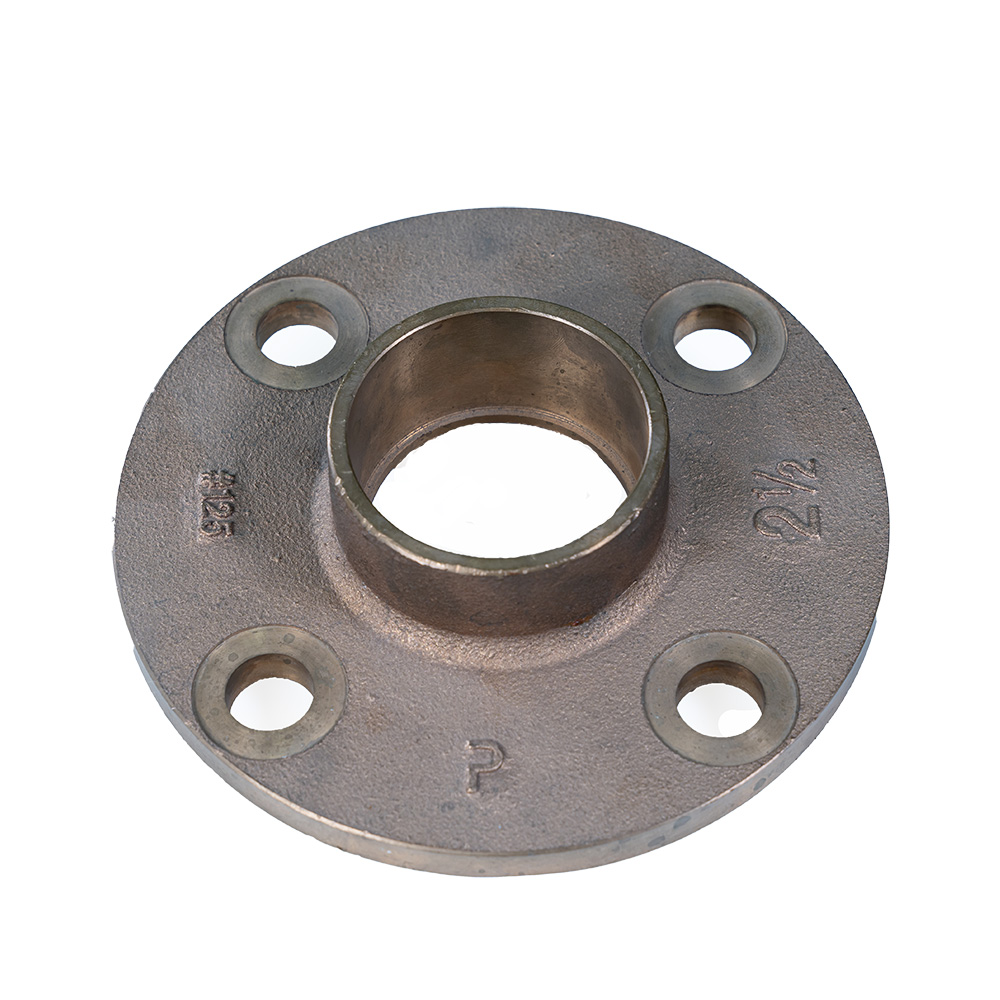
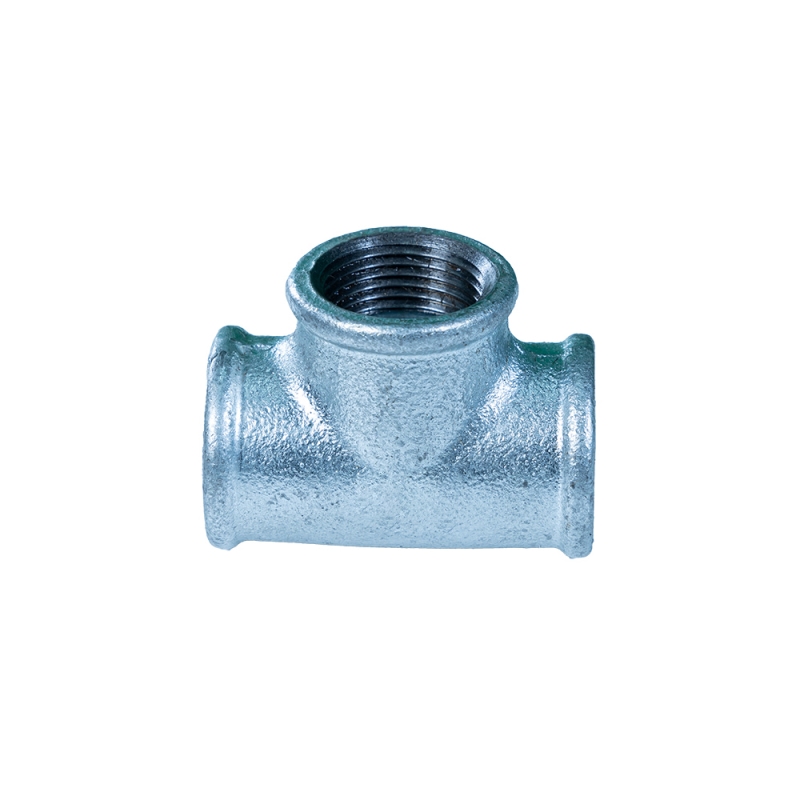
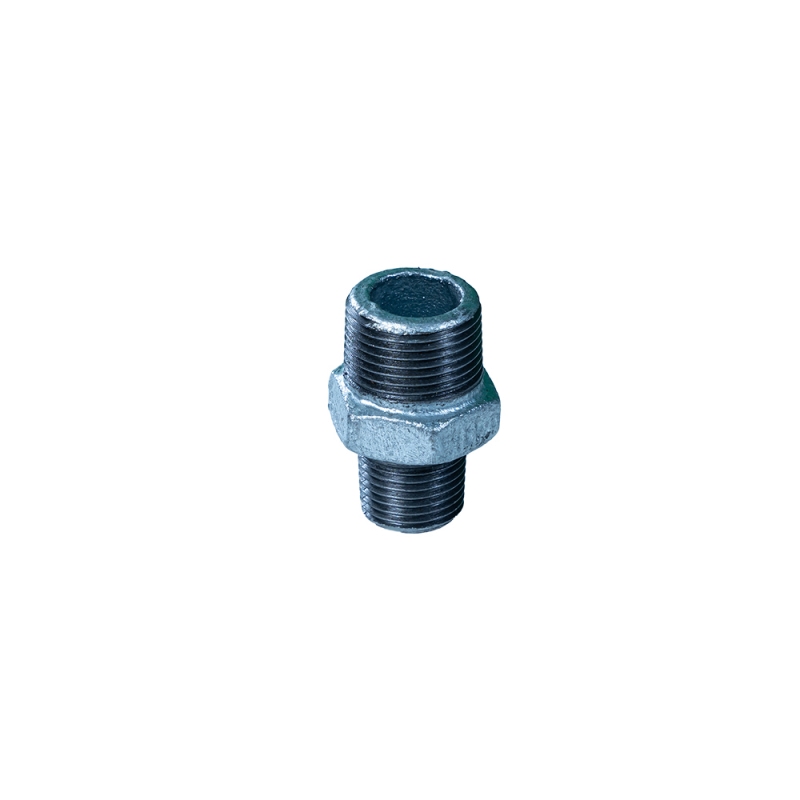
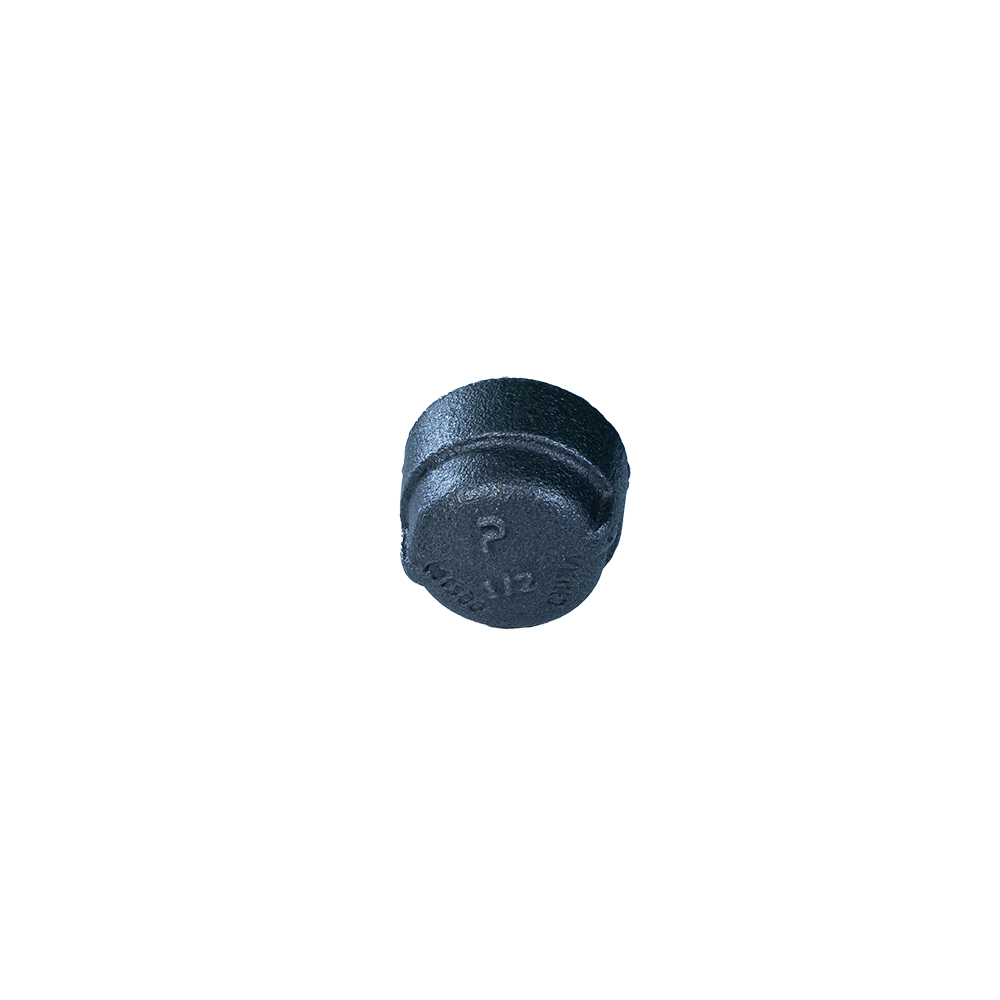
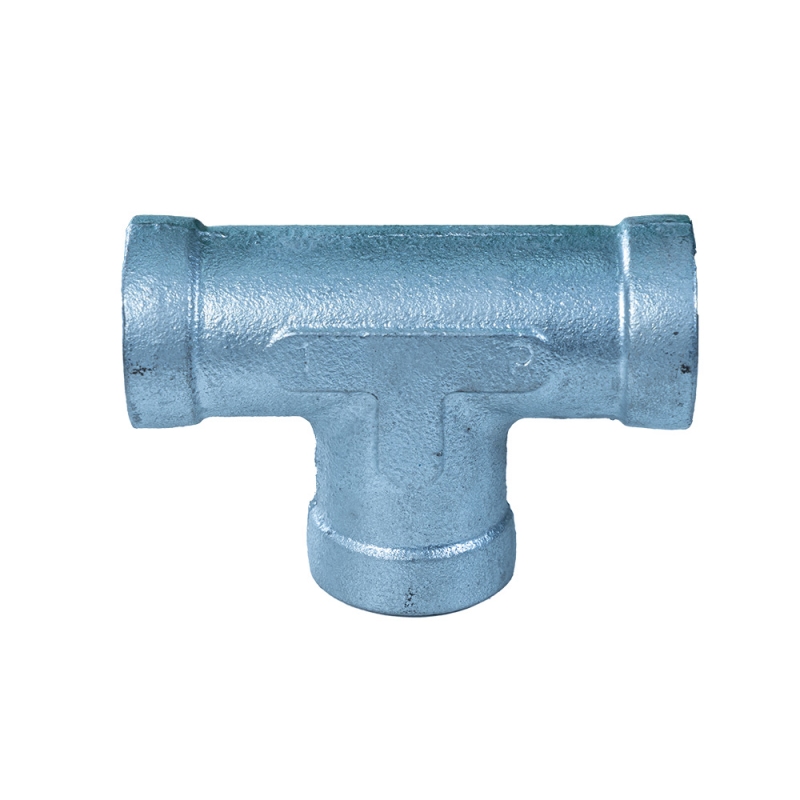
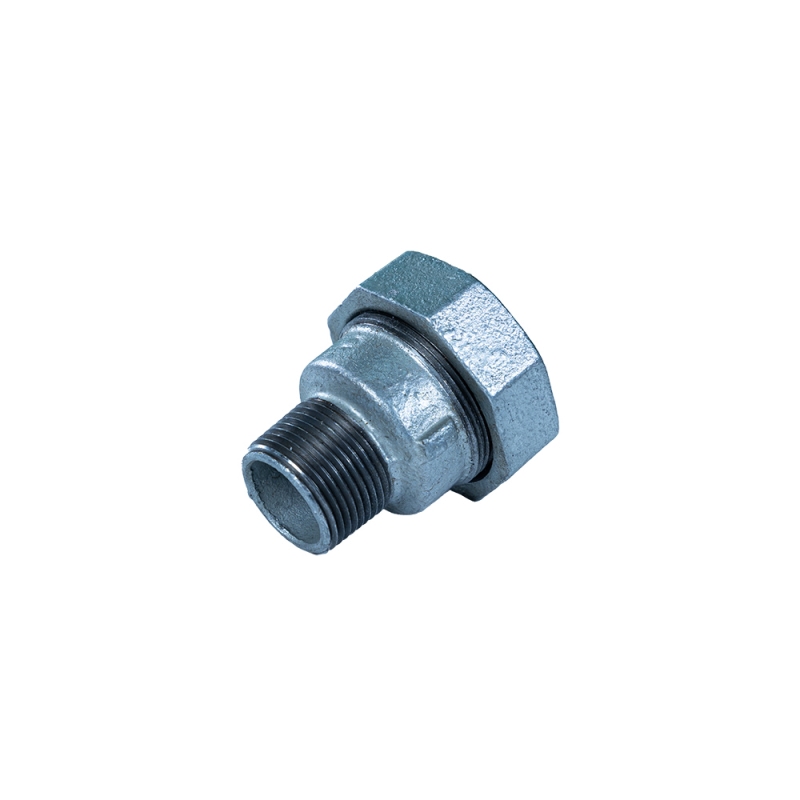
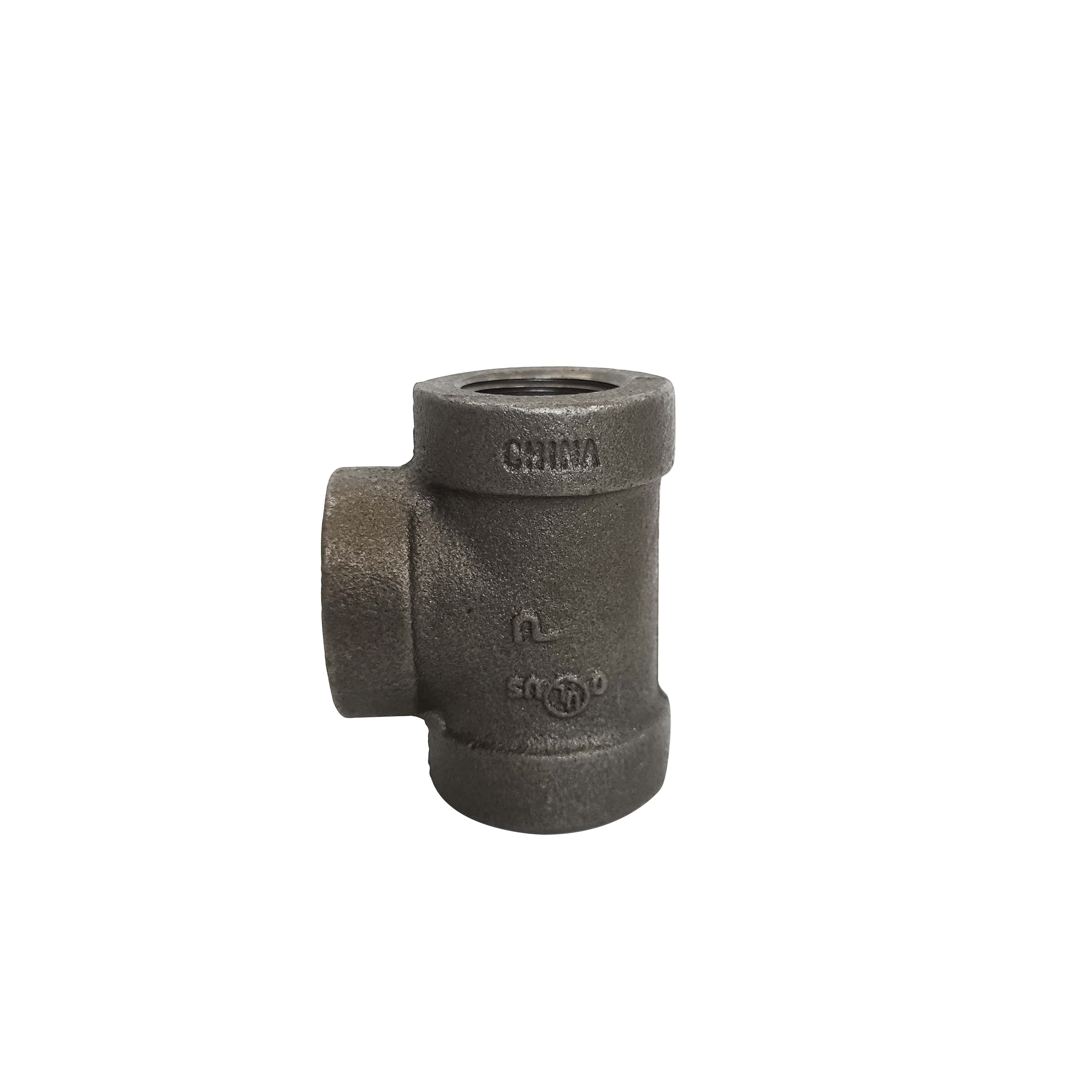
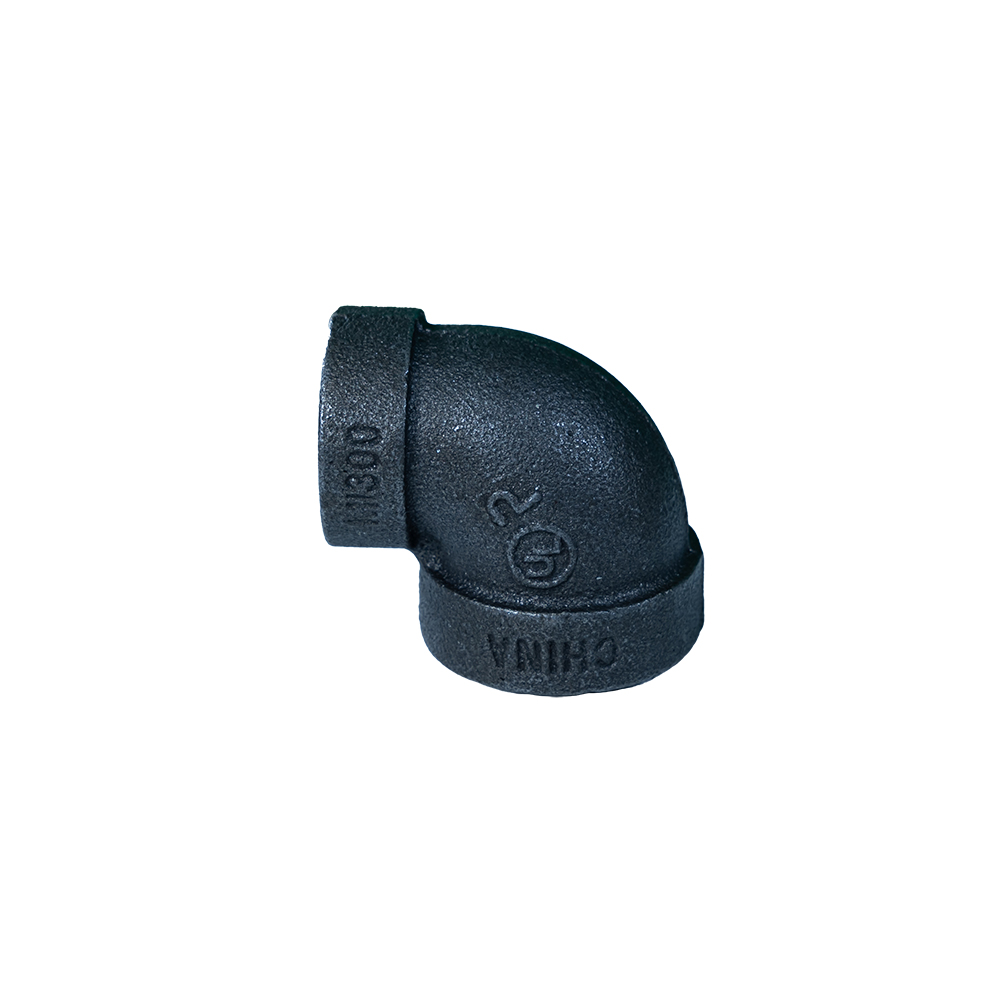
So, what makes a plumbing reducer coupling worth your attention? For starters, its job is to connect pipes of different diameters, allowing for smooth transitions. This might sound straightforward, but in real terms, it requires precision engineering and the right materials to maintain system integrity, avoid corrosion, and endure the pressure and temperature fluctuations typical in industrial setups.
Most couplings I’ve worked with are made from stainless steel, brass, or carbon steel, each bringing its own pros and cons. Stainless steel is excellent for corrosion resistance — I’ve seen these last decades in chemical plants. Brass is easier to handle and cost-effective but has lower pressure ratings, while carbon steel is tough but demands protective coatings.
Here's a quick glance at typical product specs you’ll find across common plumbing reducer couplings:
| Specification | Typical Range/Value |
|---|---|
| Material | Stainless Steel, Brass, Carbon Steel |
| Pressure Rating | Up to 3000 PSI (varies by material) |
| Temperature Range | -40°C to 260°C (-40°F to 500°F) |
| Connection Type | Threaded, Socket Weld, Butt Weld |
| Sizes | 1/2" to 12" nominal pipe size |
One thing engineers repeatedly stress is the importance of proper testing and certification when choosing a reducer coupling. Pressure testing (hydrostatic or pneumatic) ensures no leak—key for safety and longevity. I recall a project at a refinery where an ill-fitting coupling caused minor leaks that led to costly downtime. Since then, our team insisted on certified products, making a huge difference.
Customization can be another tale. Depending on your setup — say, exotic alloys for corrosive fluids or specialized thread patterns — off-the-shelf may not cut it. That’s when vendors offering tailored solutions come into the picture. Which reminds me, here’s how some well-known vendors compare based on my experience and feedback from field engineers:
| Vendor | Material Options | Customization | Lead Time | Price Range |
|---|---|---|---|---|
| PanNext Fittings | Stainless Steel, Brass, Carbon Steel, Alloys | High – tailored specs and certifications | 2-4 weeks | Mid to High |
| GenericPipeCo | Stainless Steel, Brass | Limited | 1-2 weeks | Low to Mid |
| SteelWorks Inc. | Carbon Steel, Alloy Steel | Medium | 3-6 weeks | Mid |
Oddly enough, what often surprises newer engineers is how much the choice of coupling affects the whole system’s ease of maintenance. I remember a client who insisted on the cheapest reducer—only to find it corroded prematurely and complicated their weekly inspections.
So, what’s my takeaway? If you want reliability, longevity, and peace of mind, never overlook the selection of a quality plumbing reducer coupling. It feels like a small part, but it plays a pivotal role behind the scenes.
In the end, choosing the right coupling means balancing between material, pressure needs, customization, and your budget—plus that little extra experience in knowing what’s reliable and what could be a headache down the road.
References:
- ASME B16.11 - Forged Fittings, Socket-Welding and Threaded
- ANSI/ASME B31.3 - Process Piping Standards
- PanNext Fittings website and product datasheets (https://www.malleablefitting.com)
Thanks for reading this little dive into plumbing reducer couplings — a small fitting with a big job.
Post time: Dec-03-2025