
3/4 to 1/4 Reducer Coupling: A Practical Look from Experience
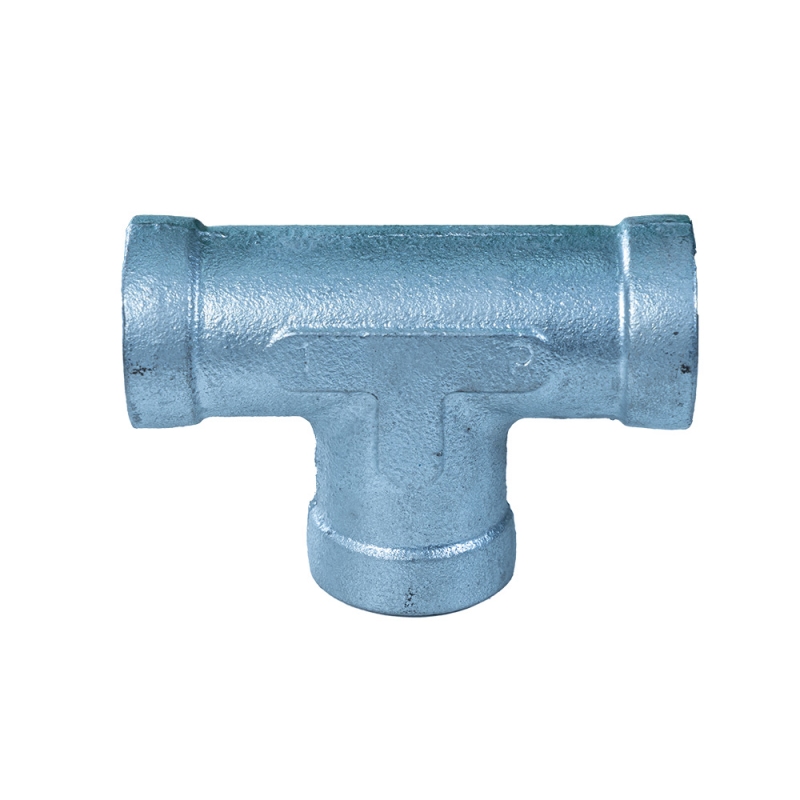
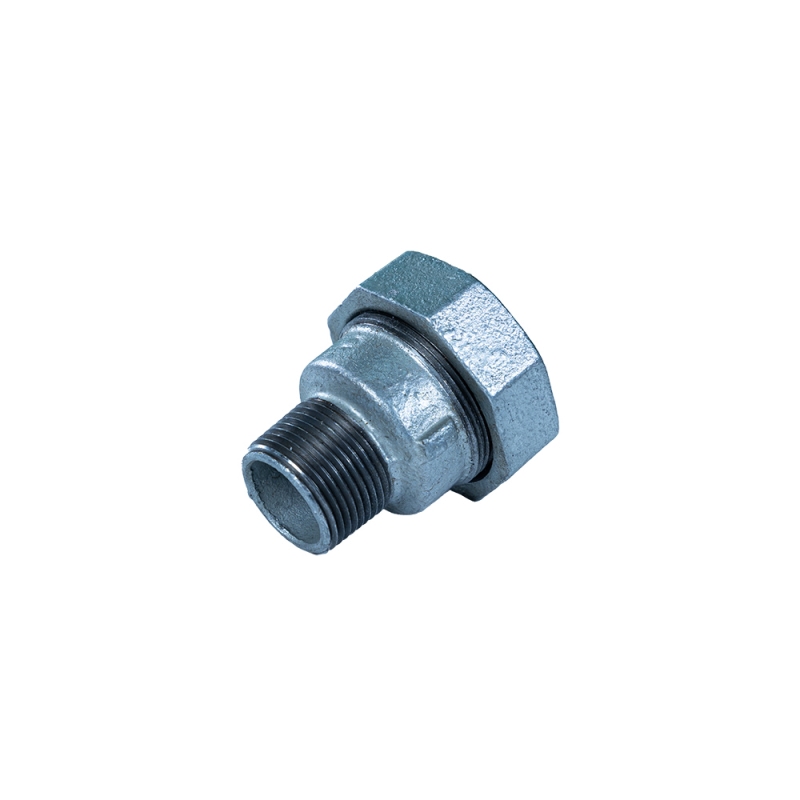
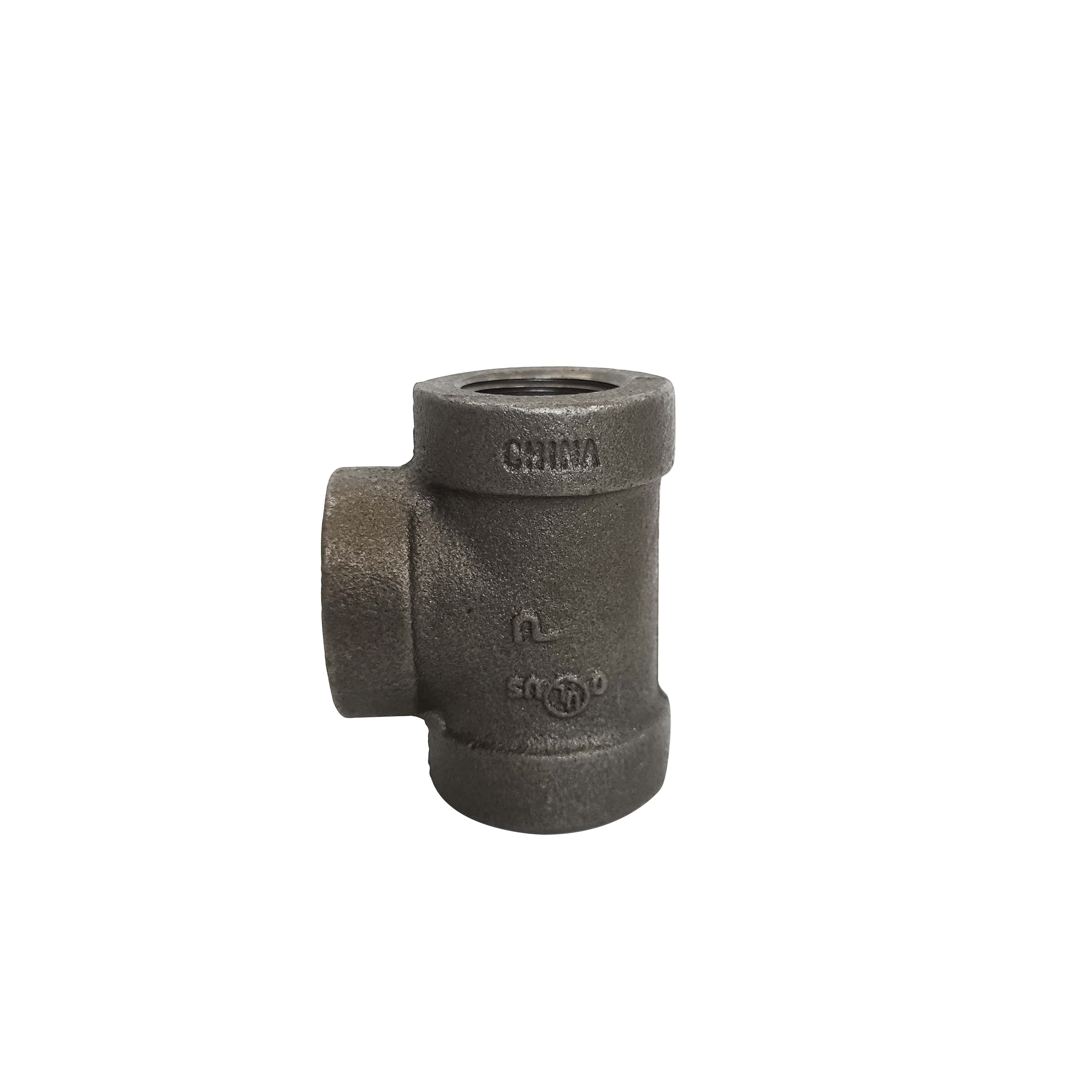
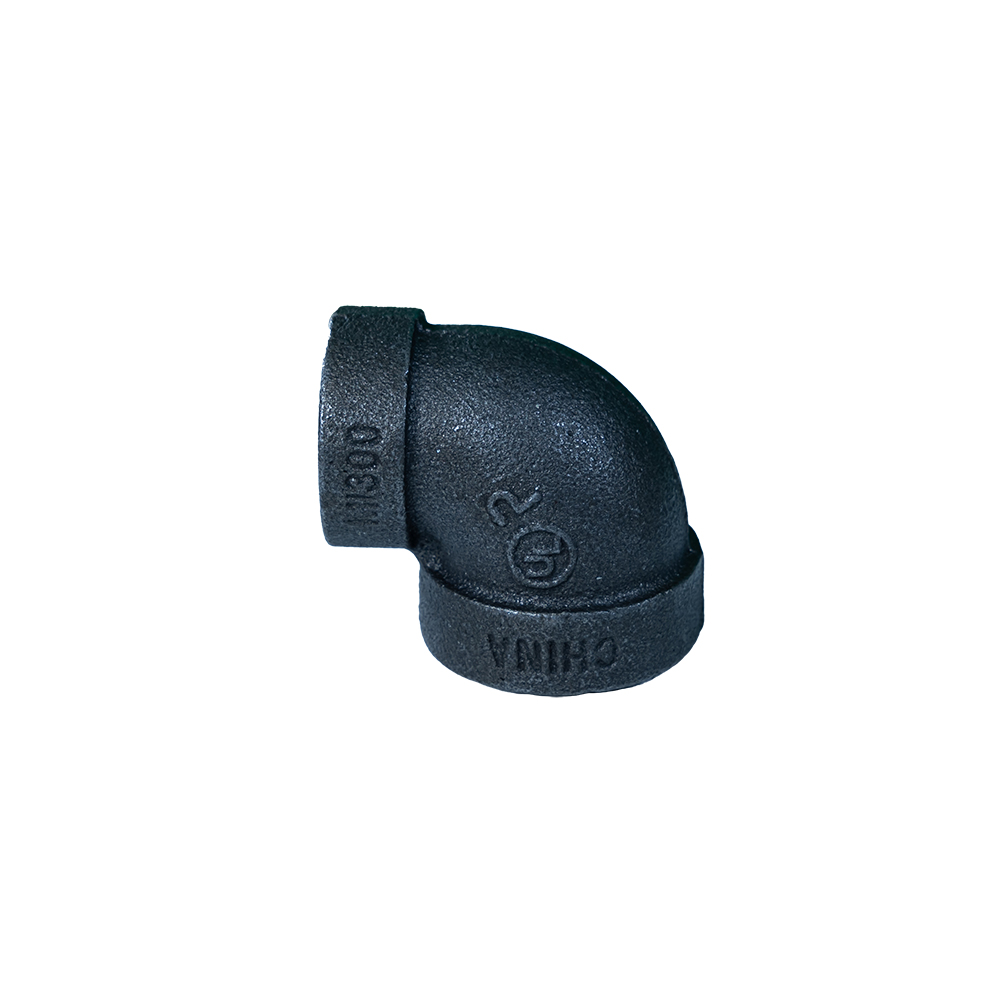
Having spent over a decade in the industrial equipment sector, I’ve come across all sorts of fittings and couplings. Among these, the 3/4 to 1/4 reducer coupling stands out as a deceptively simple, yet crucial component. It’s the kind of little hero that quietly connects pipelines of differing diameters, ensuring smooth flow in systems where mismatch could lead to leaks or pressure drops. Oddly enough, many engineers tend to underestimate its importance until a faulty or low-quality coupling causes a headache on site.
In real terms, a reducer coupling — especially this size combination — is typically used in fluid and pneumatic lines where a 3/4 inch pipe must feed into a 1/4 inch line. You might find it in hydraulic machines, chemical processing plants, or even compressed air setups. From my observations, the key value is in reliability under pressure and precise sizing to avoid turbulence.
Material choice matters a lot here. Most industrial-grade reducer couplings I've handled are made from brass, stainless steel, or occasionally, industrial polymers. Brass offers great corrosion resistance in many environments, stainless steel is preferred when dealing with harsher chemicals or higher temperatures, and polymers are light and cost-efficient but sometimes less durable. I’ve noticed a handful of suppliers skimp on material standards – which really affects longevity and safety — so quality certification is non-negotiable in my book.
Product Technical Specifications
| Specification | Details |
|---|---|
| Size | 3/4" (inlet) to 1/4" (outlet) |
| Material | Brass, Stainless Steel, or Nylon |
| Pressure Rating | Up to 3000 PSI (varies by material) |
| Connection Type | Threaded (NPT/BSP) |
| Temperature Range | -20°C to 150°C (steel/brass) |
One memorable job I handled was a retrofit on older pneumatic lines in a manufacturing plant. The engineers initially overlooked the size mismatch, leading to leakage and pressure fluctuation — until we switched in high-quality reducer couplings from a trusted source. That tiny fix saved hours of downtime and a hefty expense. For situations like this, customization options also come into play: some vendors offer reducer couplings with specialized coatings or thread types, which can be decisive depending on your equipment’s demands.
Vendor Comparison at a Glance
| Vendor | Material Options | Pressure Rating | Customization | Availability |
|---|---|---|---|---|
| PanNext Fittings | Brass, SS, Nylon | Up to 3000 PSI | Thread types, coatings | In stock, fast shipping |
| Generic Suppliers | Mostly Brass, some SS | Up to 2000 PSI | Limited | Variable |
| Industrial Specialist Co. | SS only | Up to 3500 PSI | Custom machining available | Made-to-order, longer lead times |
Frankly, when selecting a reducer coupling, I'd advise prioritizing quality and proven specs over cost alone. You might save a few bucks upfront, but the risk of leaks or failures can quickly erase that benefit. In an industry where downtime is expensive and safety is crucial, reliability counts — period.
If you're specifying these couplings for your systems, it’s worth asking vendors about their pressure tests, material certifications, and compatibility with your application’s fluids or gases. Many engineers say this due diligence makes all the difference in long-term performance.
So that's the nutshell on the 3/4 to 1/4 reducer coupling: simple, oh-so-essential, and worth getting right the first time. It feels like a minor part, but, trust me, it’s one little link that holds a lot together.
-- John R., Industrial Equipment Specialist
References:
- “Industrial Pipe Fittings Handbook,” Smith & Sons, 2019
- PanNext Fittings Product Documentation, 2023
- Personal site visits and client consultations, 2015-2023
Post time: Dec-13-2025