
The 1 1/4 to 1 Reducer Coupling: A Hands-On Look from the Field
Working in the industrial equipment sector for over a decade, I’ve seen countless fittings and couplings come and go, but some stand out for their simple yet vital role — the 1 1/4 to 1 reducer coupling is one of them. Oddly enough, you might overlook this small component unless you’re the one troubleshooting a mismatched piping system in the middle of a busy plant floor. It’s those real-time fix-it moments that cement why these seemingly modest parts are so important.
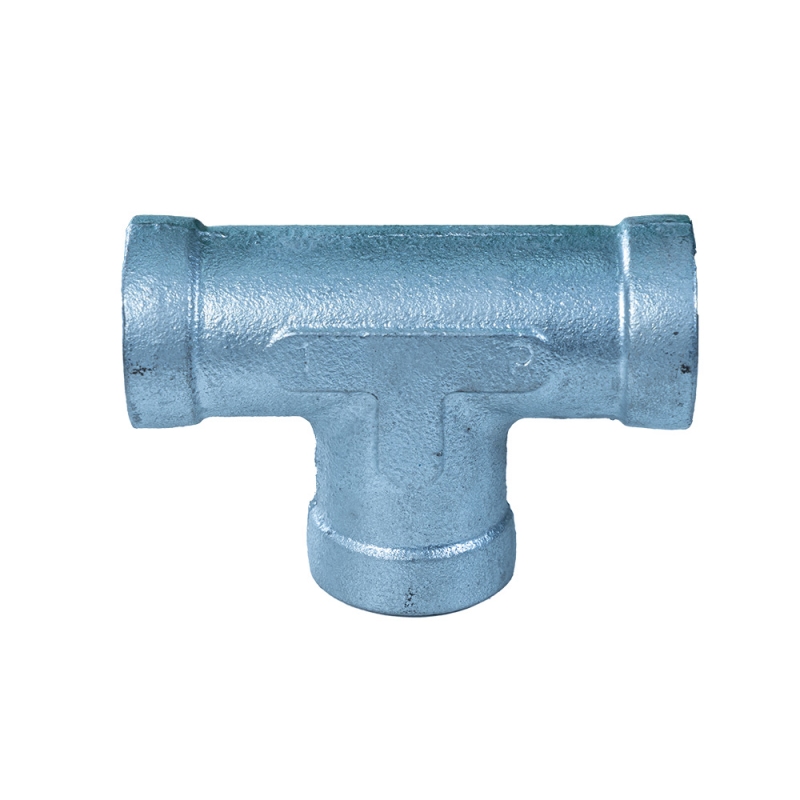
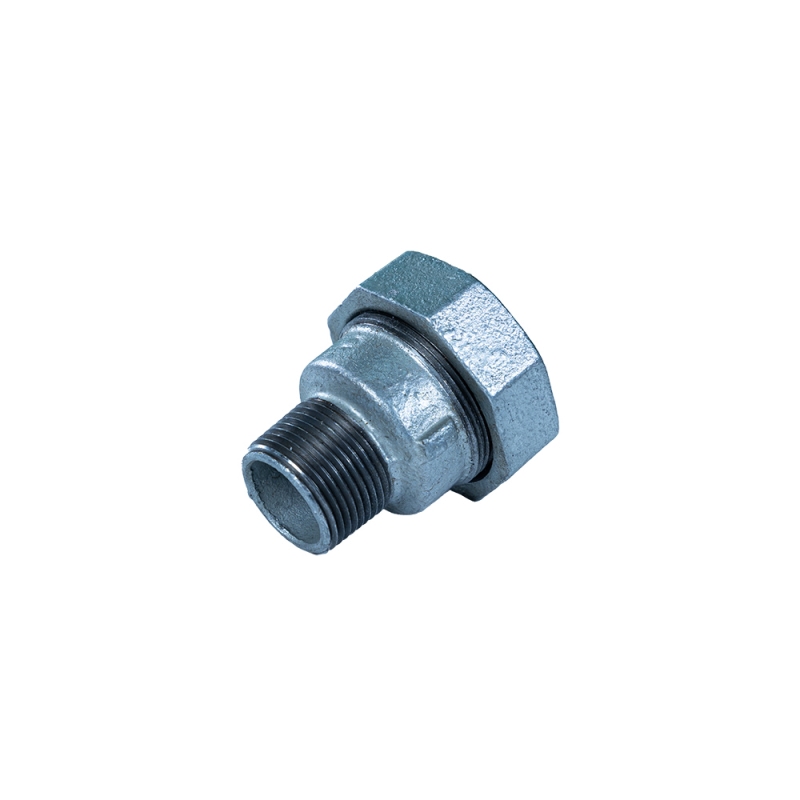
At its core, a reducer coupling adapts two pipes of different diameters—in this case, going from 1 1/4 inch down to 1 inch. It’s straightforward, yet the design and materials used matter quite a bit. Having worked with couplings made from different metals and plastics, I’ve noticed some critical differences in performance, especially when exposed to temperature swings and varying pressure levels.
Manufacturers typically forge these couplings in stainless steel, brass, or sometimes malleable iron, depending on the environment they're destined for. Stainless steel, for example, is my go-to recommendation when corrosion resistance is a priority — which, frankly, is often the case in chemical plants or outdoor installations. The durability you get with stainless means fewer replacements, lower downtime, and less overall headache.
And let’s not skip over the pressure ratings — you want a reducer coupling that reliably holds its own, especially when systems operate above 150 psi. A friend of mine, an engineer in a water treatment facility, once shared how swapping to a higher-grade 1 1/4 to 1 reducer coupling cut their maintenance incidents in half. It feels like an unlikely hero, but in real terms, it saved them time, money, and stress.
Here’s a quick specs rundown for a typical industrial-grade 1 1/4 to 1 reducer coupling:
| Specification | Details |
|---|---|
| Size Transition | 1 1/4" (32mm) to 1" (25mm) |
| Material | Stainless Steel 304 / Brass / Malleable Iron |
| Pressure Rating | Up to 300 psi (varies by material) |
| Temperature Range | -20°C to 150°C (-4°F to 302°F) |
| Connection Type | Threaded (NPT, BSP options) |
It’s worth highlighting that the threading type can be a subtle but critical choice—NPT (National Pipe Thread) and BSP (British Standard Pipe) threading aren’t interchangeable, so double-checking specs before ordering is a must. This kind of attention to detail is what I’ve learned the hard way through on-site breakdowns.
Now, if you’re sourcing a 1 1/4 to 1 reducer coupling, several vendors compete in this niche. I’ve created a quick comparative look at a few popular suppliers based on availability, material options, and pricing:
| Vendor | Material Options | Price Range ($ USD) | Lead Time (days) |
|---|---|---|---|
| PanNext Fittings | Stainless Steel, Brass | 10 - 15 | 3 - 5 |
| GlobalPipe Co. | Malleable Iron, Stainless Steel | 8 - 12 | 7 - 10 |
| IndustrialParts Ltd. | Brass Only | 12 - 18 | 5 - 7 |
In my experience, PanNext Fittings strikes a nice balance: decent pricing with stainless steel options and quick delivery, which frankly matters a lot when you’re facing a downtime scenario.
On a side note, customization opportunities—like special thread types or unusual sizes—are sometimes offered by these vendors but generally at a premium. When I was managing a retrofit project for a manufacturing plant, we needed a slightly modified reducer coupling. It took some back-and-forth with the supplier, but having that flexibility saved us from reworking the entire piping layout.
So here’s the bottom line: the 1 1/4 to 1 reducer coupling might seem like a small part of the puzzle, but it quietly keeps the fluid systems flowing without fuss. Choose quality over just price, pay attention to threading, and if you can, stick with vendors who can turn around parts quickly and do customization.
It's these little pieces and details that accumulate into a well-running industrial operation. Kind of like the small nuts and bolts holding a large machine together—you don’t notice them until one fails, and then you really notice.
References:
- Industrial Pipe Fittings Handbook, 4th Edition, 2022.
- “Choosing the Right Pipe Coupling” – Journal of Industrial Maintenance, 2019.
- Personal experience managing plant maintenance teams across multiple sectors.
Post time: Dec-04-2025