
Why the 4 to 2 reducer coupling is Essential in Industrial Piping
Having spent over a decade in the industrial equipment sector, I’ve witnessed firsthand how something as seemingly simple as a 4 to 2 reducer coupling can make or break a project. These little connectors don’t get much spotlight — they’re not flashy — but trust me, their role in piping systems is vital.
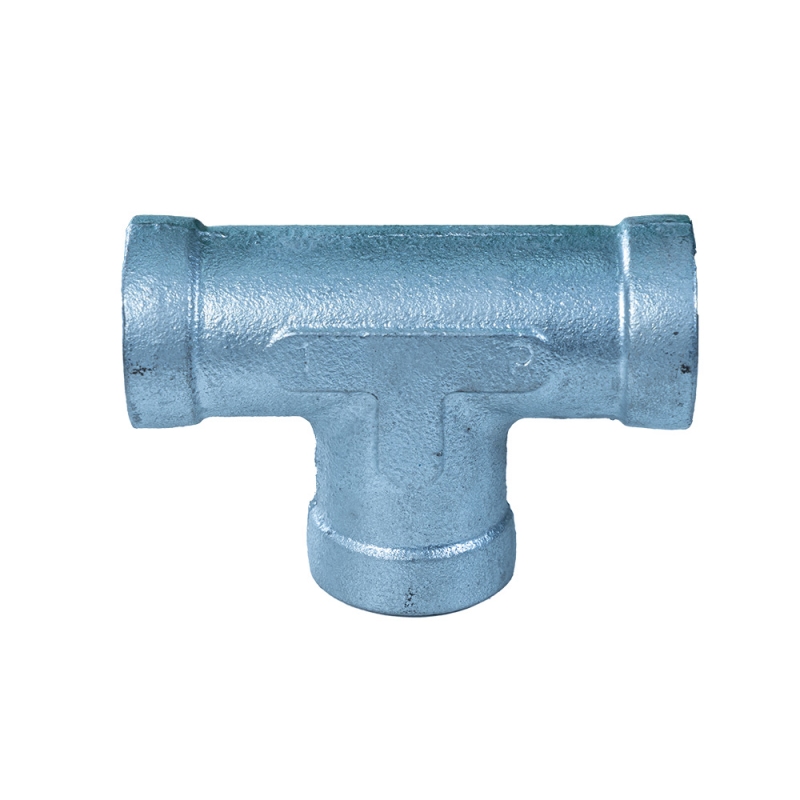
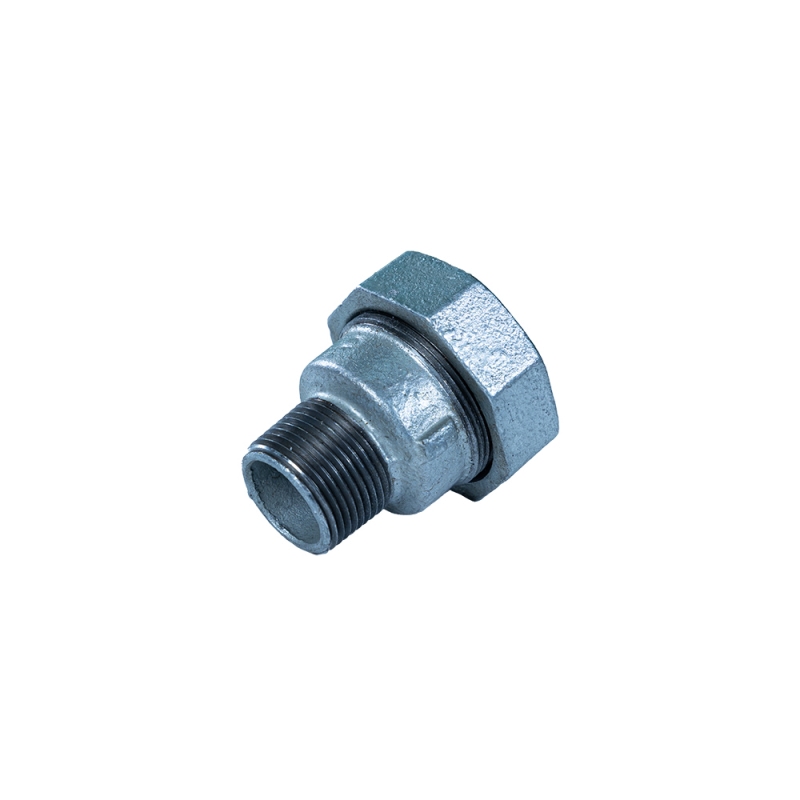
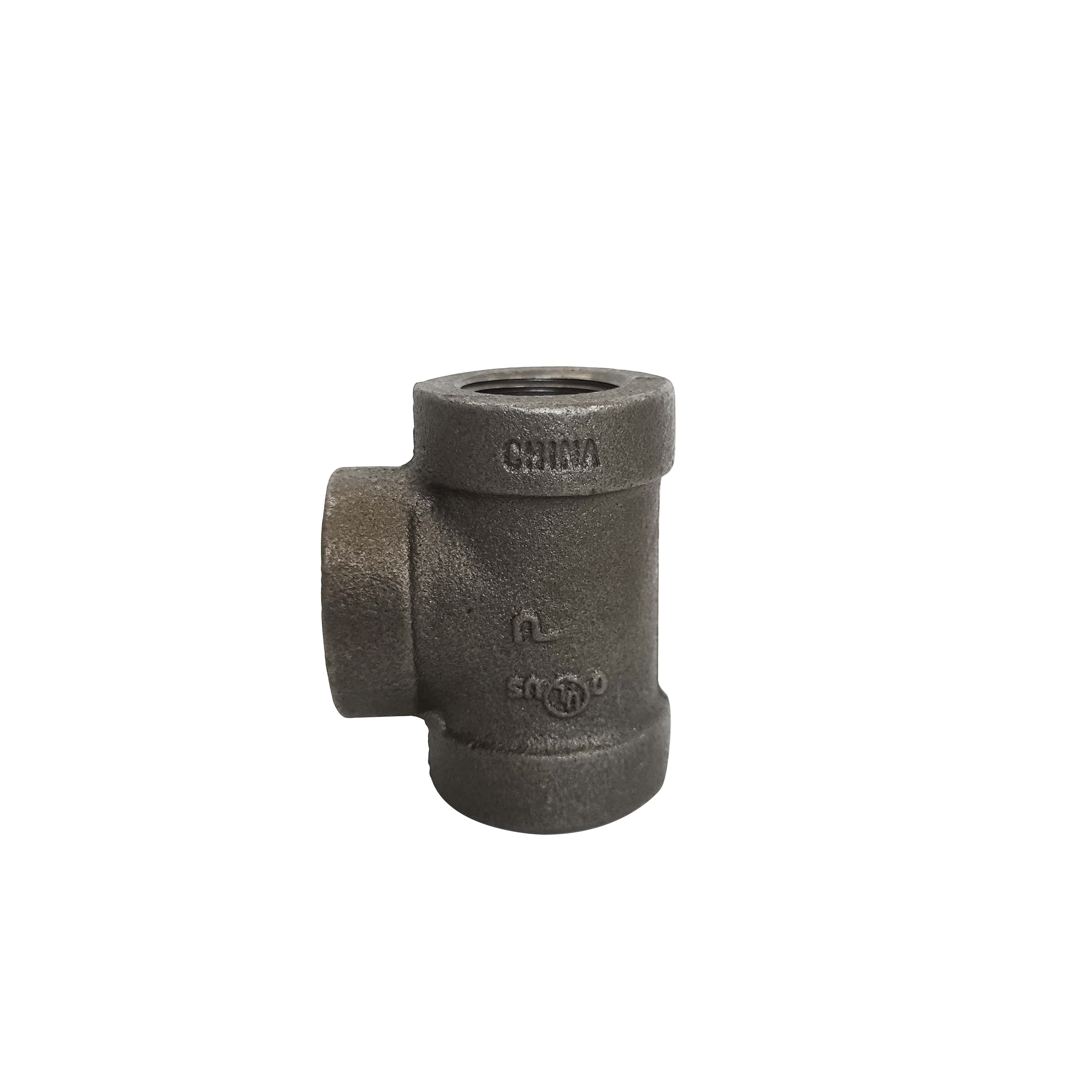
In essence, a reducer coupling helps connect two pipes of different diameters—in this case, a 4-inch pipe reducing down to 2 inches. You’d think it’s straightforward, but ensuring a sturdy, leak-proof union is not always so simple, especially when you factor in pressure requirements, material compatibility, and thermal expansion.
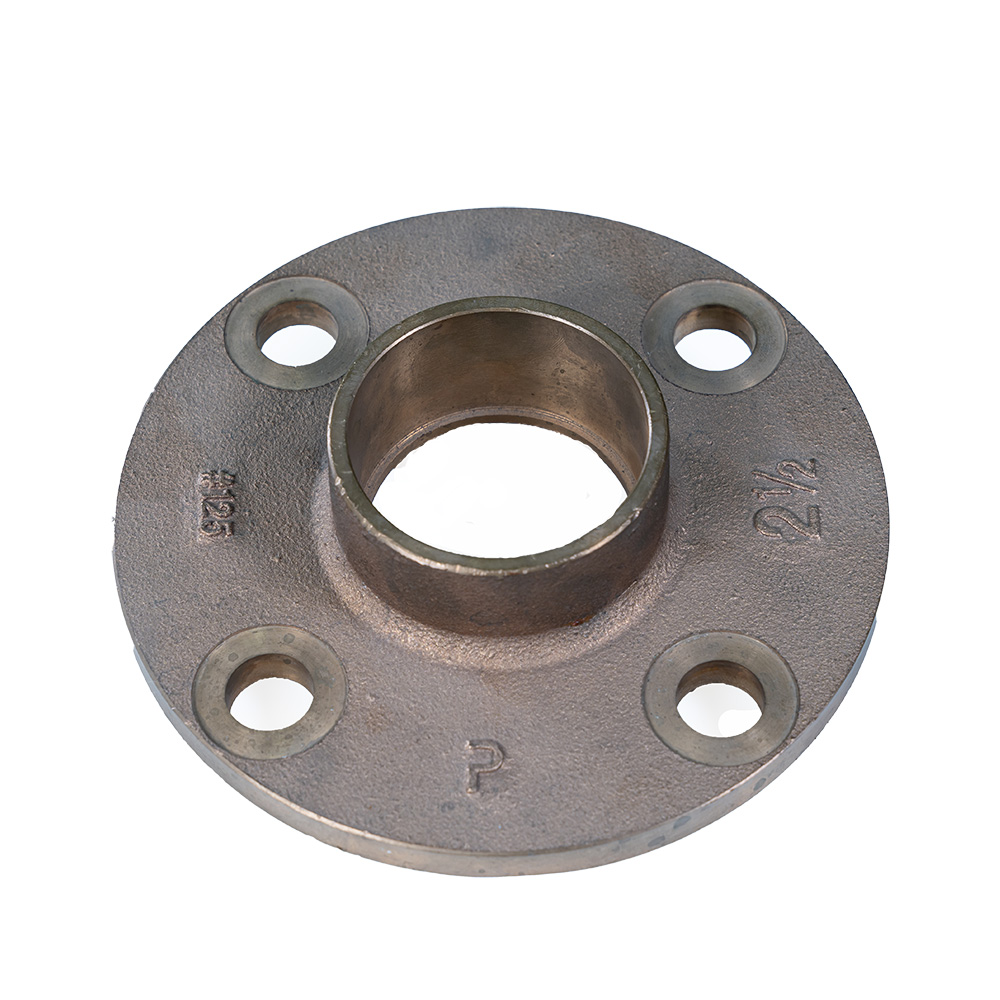
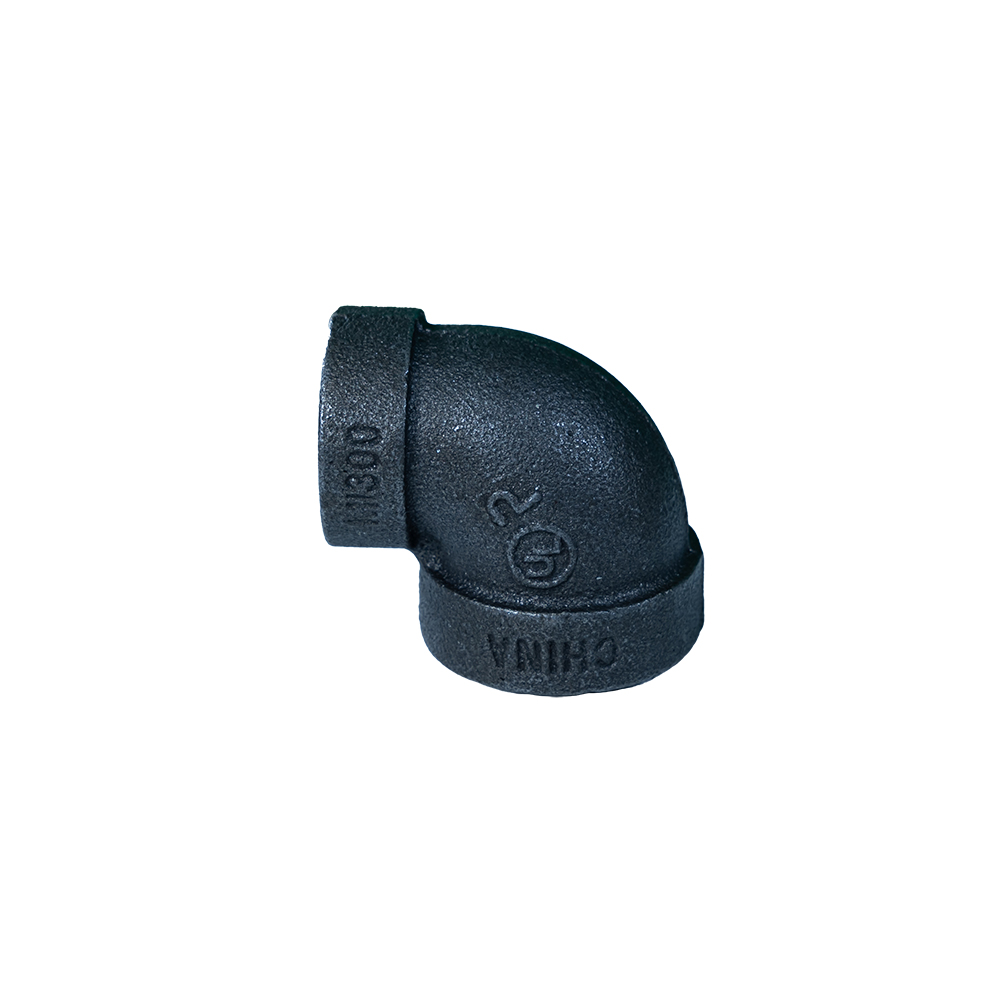
From the onset, I noticed how industry standards have evolved to favor lightweight but robust materials for these fittings. Carbon steel remains popular for durability, but for corrosive environments, stainless steel or even specialty alloys are a better pick. Customization is surprisingly common too—sometimes clients ask for bespoke reducer couplings with specific thread types or flange fittings to match their existing setup.
Oddly enough, the testing phases for these couplings are pretty rigorous. In my experience, manufacturers subject them to pressure tests beyond nominal operational limits to ensure they won’t fail suddenly. That’s reassuring when you’re talking about systems running thousands of gallons an hour, under extreme conditions.
Let me share a quick story from when I was overseeing a chemical plant upgrade. We needed a reliable 4 to 2 reducer coupling to connect a high-pressure discharge line. The supplier we chose wasn’t the cheapest, but their product's quality and timely delivery saved us from costly downtime later. Many engineers say you get what you pay for, and I couldn’t agree more.
| Parameter | Typical Value | Notes |
|---|---|---|
| Material | Carbon Steel / Stainless Steel | Depends on application environment |
| Size (inches) | 4" to 2" | Standard nominal pipe size reduction |
| Pressure rating | 150-300 psi | Varies by material and design |
| Connection type | Threaded / Welded / Flanged | Customizable as per requirement |
| Operating temperature | -20°C to 400°C | Material-dependent limits |
Now, if you’re sourcing these couplings, it pays to shop around but with a critical eye. I’ve compared three of the top vendors in the US market, weighing key factors you should watch closely.
| Vendor | Material Options | Customization | Price Range | Lead Time |
|---|---|---|---|---|
| Pannext Fittings | Carbon Steel, Stainless Steel, Alloy | High – Custom threads and flanges | $$$ | 2-3 Weeks |
| SteelWorks Inc. | Carbon Steel | Limited | $$ | 3-4 Weeks |
| AlloyCraft | Stainless Steel, Alloy Steel | Moderate | $$$ | 4-5 Weeks |
One last thing I want to point out: working with reliable vendors like Pannext Fittings isn't just about getting the right specs on paper. It’s about knowing your parts won't let you down when it's crunch time. Because honestly, in industrial settings, downtime can spiral costs out of control in a heartbeat.
So yeah, the humble 4 to 2 reducer coupling—it’s more than just a connector. It’s a piece of equipment engineered thoughtfully, tested rigorously, and supplied with an eye towards your project's success.
Reflecting on this, it feels like these fittings really embody industrial engineering’s blend of simplicity and precision. And I suppose that’s why they’ve remained a staple for years, quietly ensuring pipelines flow smoothly.
References:
1. Standards for Industrial Pipe Fittings – ASTM International
2. “Piping Materials Guide,” Industrial Press, 2021
3. Supplier Specifications and Pressure Test Reports (Pannext Fittings, SteelWorks Inc., AlloyCraft)
Post time: Dec-31-2025