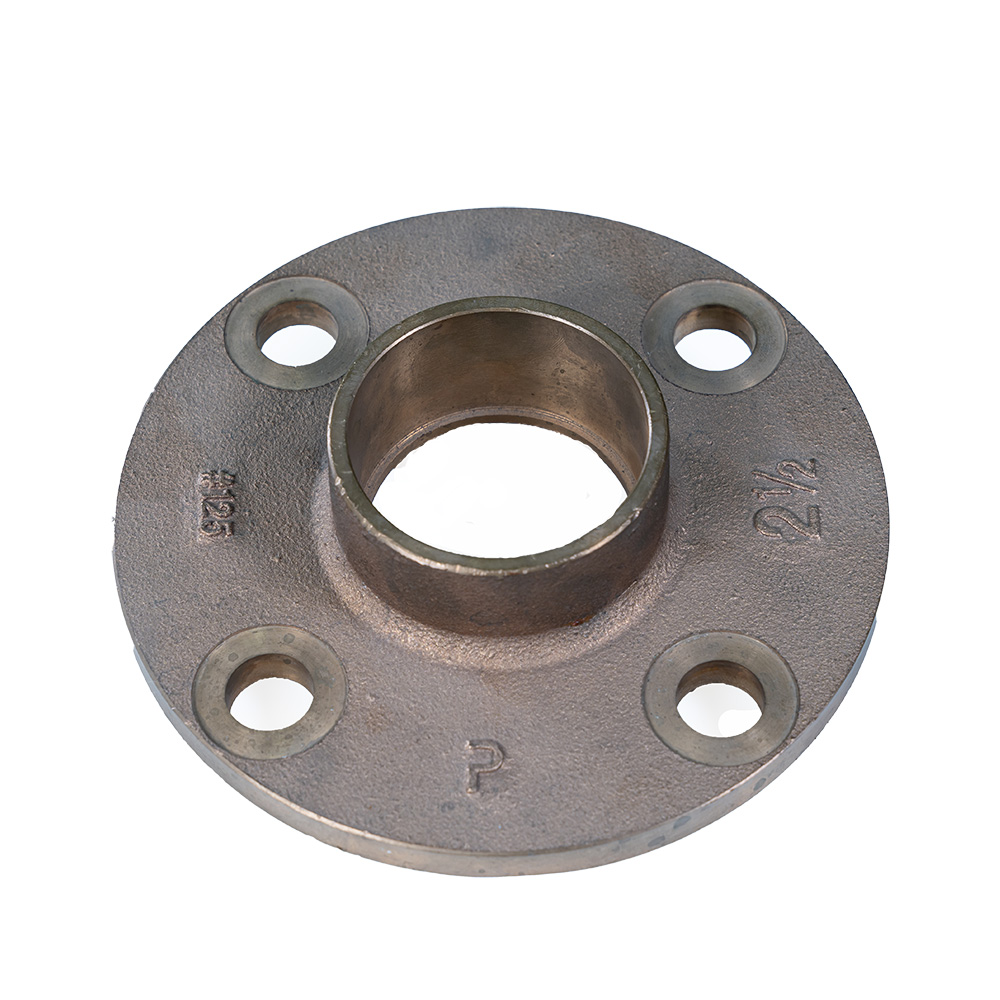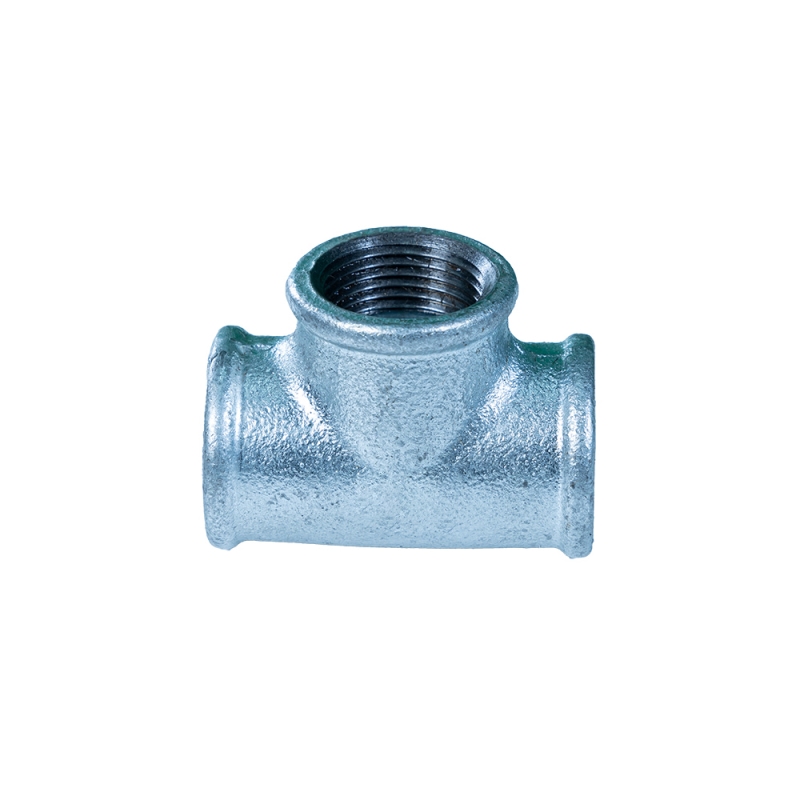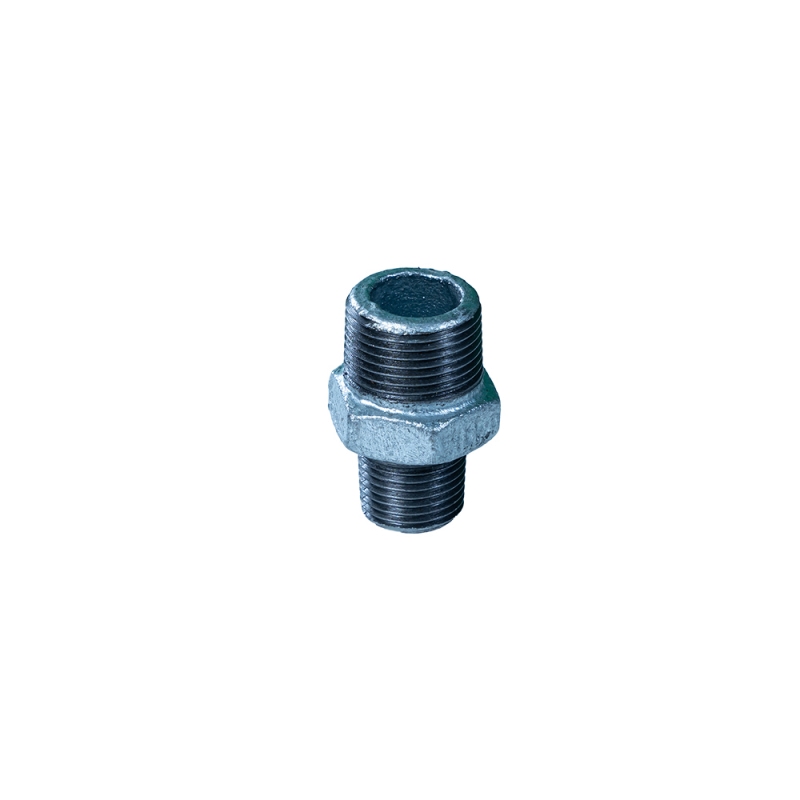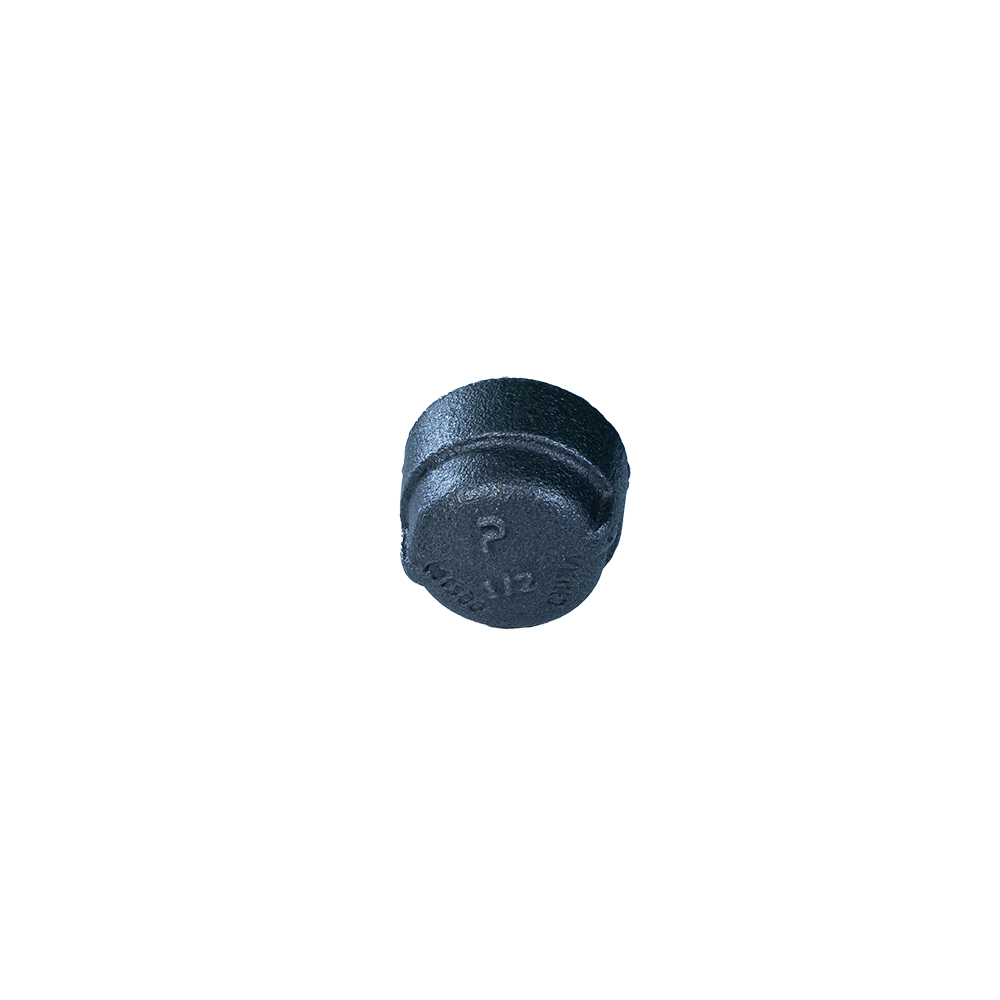

Understanding the 1 1/2 x 1 1/4 Reducing Coupling
Having spent quite some time in the industrial equipment sector, I've had the chance to handle a variety of pipe fittings, but the 1 1/2 x 1 1/4 reducing coupling stands out as a surprisingly versatile piece. Oddly enough, these small components often get overlooked, yet they quietly ensure smooth flow transitions between pipes of different sizes. If you’ve ever wrestled with misaligned piping or tricky flow restrictions, you might appreciate this little hero as much as I do.
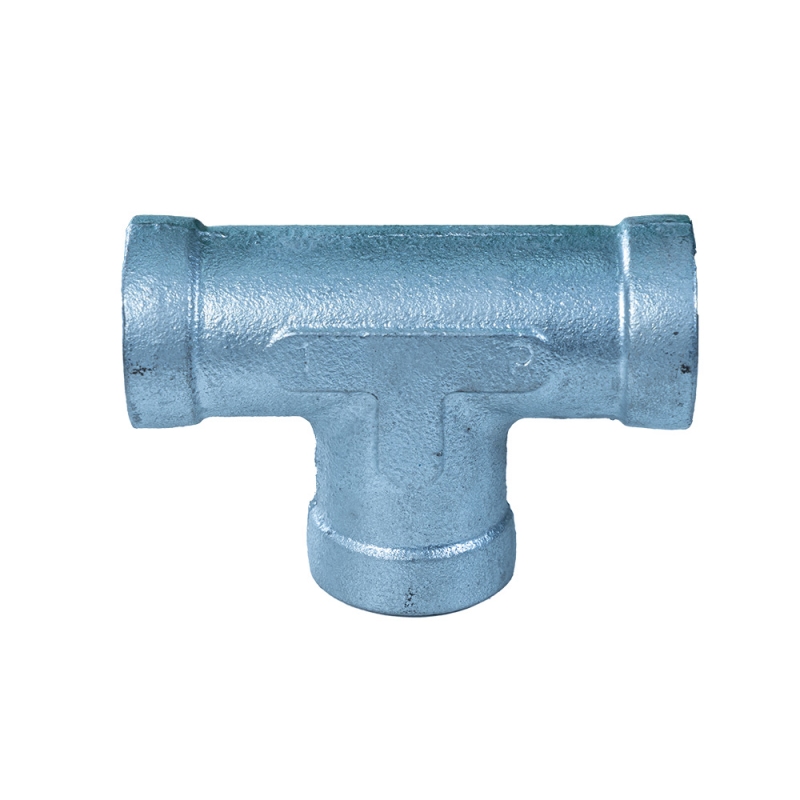
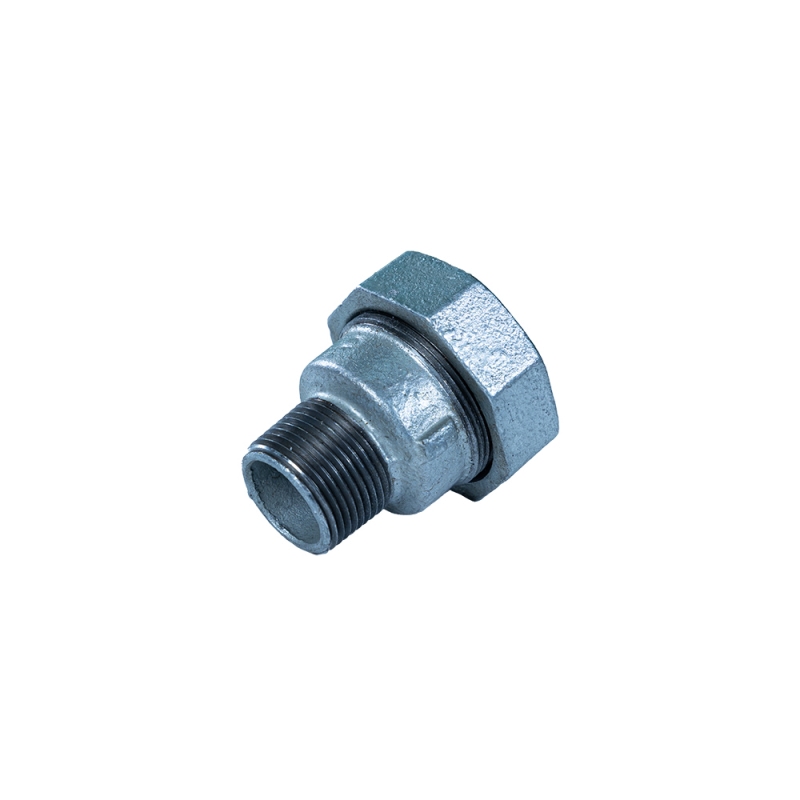
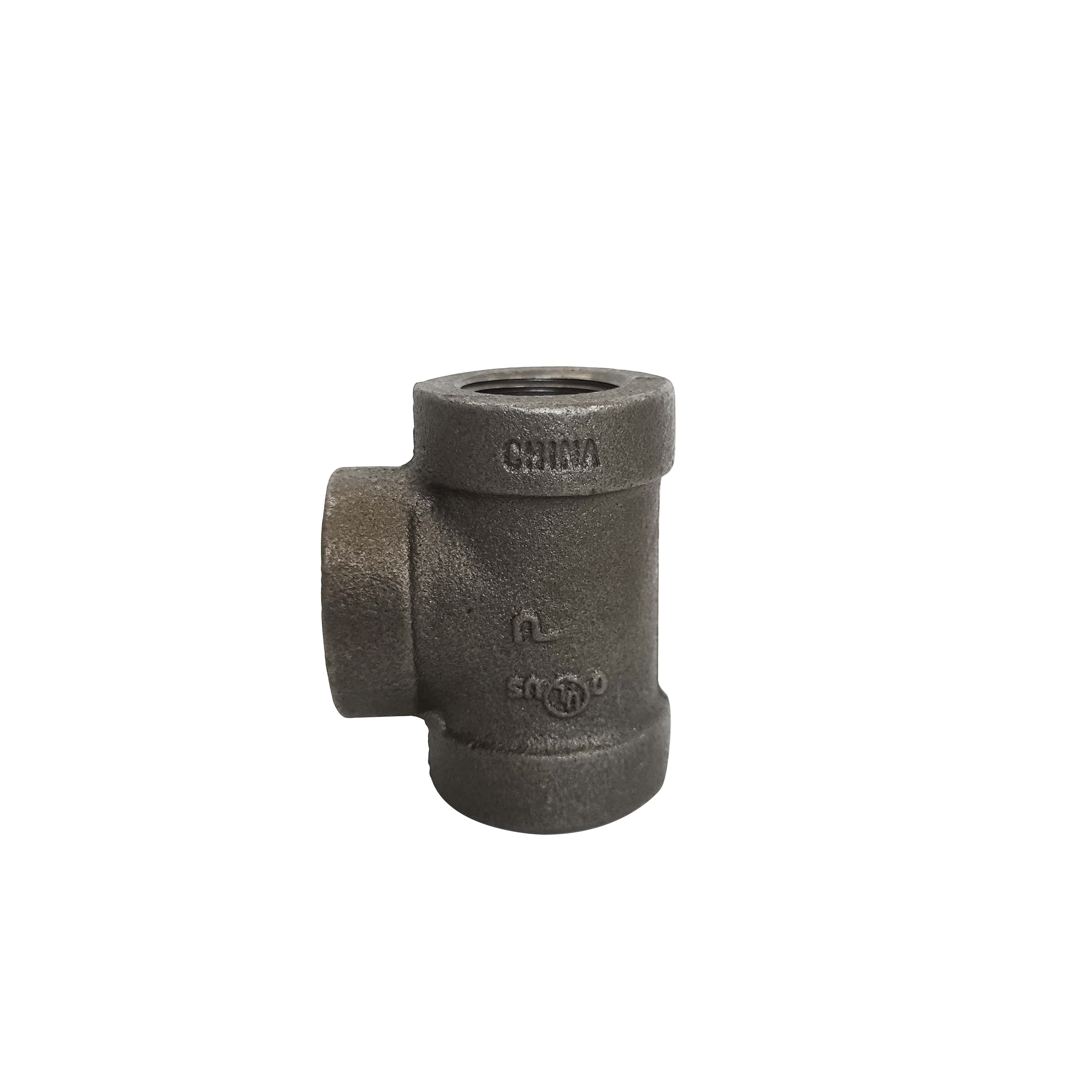
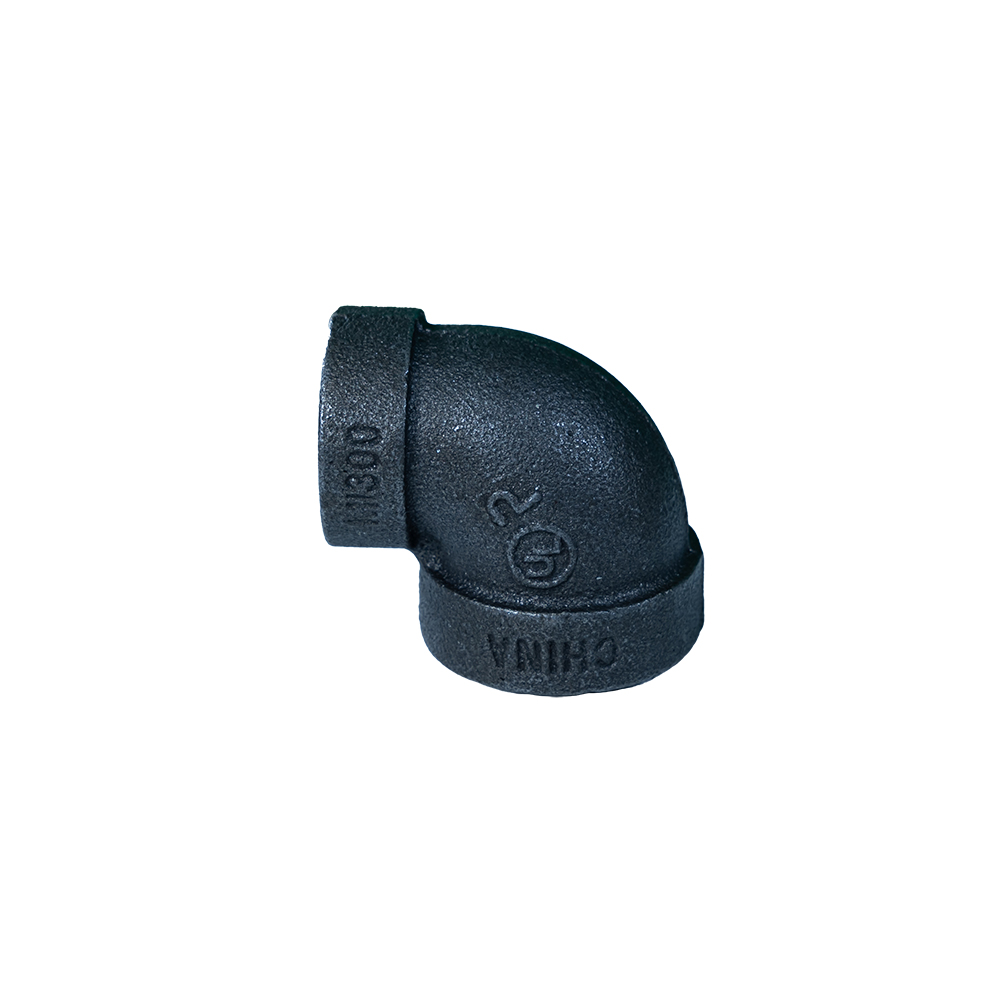
At its core, a reducing coupling connects two pipes of mismatched diameters—here specifically from 1 1/2 inch down to 1 1/4 inch. This means it reduces the size of the pipeline inline, allowing engineers to tailor systems without costly and time-consuming workarounds. I’ve often seen these used in water treatment plants, HVAC systems, and even some chemical processing lines, where precise flow adjustments matter.
In terms of design, most quality reducing couplings are manufactured from durable materials like stainless steel, carbon steel, or sometimes brass, depending on the operational requirements. Frankly, the best choice boils down to the environment—corrosive liquids call for stainless steel, while gas lines might tolerate carbon steel just fine. I recall a client who switched to stainless after a series of mild corrosion issues, and the difference was night and day.
Another thing to note: these couplings usually undergo rigorous pressure and leak testing before hitting the shelves. After all, a failed joint can lead to downtime or costly repairs, and nobody wants that. It's often the fine print nobody reads but the engineers swear by.
Since no two applications are exactly alike, customization also plays a role. Some manufacturers can tweak threading, length, or even surface finishes to suit specific needs. Personally, I find that having a reliable vendor who can handle such tweaks makes a huge difference in project timelines and long-term reliability.
| Specification | Details |
|---|---|
| Material | Stainless Steel (304 or 316 grades common) |
| Pipe Size | 1 1/2 inch x 1 1/4 inch |
| Connection Type | NPT (Threaded), Socket Weld, or Butt Weld |
| Pressure Rating | Up to 3000 PSI (varies by material and design) |
| Temperature Range | -50°F to 800°F (depending on material) |
| Standards Compliance | ASTM A182, ASME B16.11 |
If you get into vendor options, it can be a surprisingly varied landscape. Some big brand names pride themselves on premium materials and strict quality controls. Smaller or regional suppliers might offer more flexibility on lead times or pricing, but occasionally at the cost of inconsistent specs. I remember working on a tight deadline once where a smaller vendor’s quick turnaround saved the project, even though their fittings were slightly heavier than ideal.
| Vendor | Material Options | Customization | Lead Time | Price Range |
|---|---|---|---|---|
| PanNext Fittings | SS304, SS316, Carbon Steel | Threading, Length, Finish | 2-3 weeks | $$ |
| MacroFit Inc. | SS304, Brass | Limited | 4-5 weeks | $$$ |
| SteelPro Fittings | Carbon Steel only | None | 1-2 weeks | $ |
One time, a client was struggling with pipe adaptions in a high-pressure steam system. After switching to a reducing coupling from PanNext Fittings, which matched exactly the material and pressure ratings needed, the whole line ran cooler and smoother. It’s these little wins — which don't always make headlines in project reports — that keep systems humming along.
In real terms, the 1 1/2 x 1 1/4 reducing coupling might seem like a small detail, but in piping, details matter. Choosing the right coupling not only cuts downtime but can extend the overall lifespan of the infrastructure. So next time you face a pipe size mismatch, remember there's a solid, tested solution waiting to be put in place.
Quick tip: Always check for industry certifications and test reports when sourcing these components—your system and safety rely on it.
Hopefully, this gave you a bit of a clearer picture. Working hands-on with these fittings, you appreciate the nuances involved, and frankly, it feels good to know that even a small piece like a reducing coupling can make a big difference.
– Written by a seasoned industrial equipment professional with years on the factory floor and field site.
References
- ASME B16.11, "Forged Steel Fittings, Socket-Welding and Threaded," American Society of Mechanical Engineers.
- ASTM A182, "Standard Specification for Forged or Rolled Alloy and Stainless Steel Pipe Flanges, Forged Fittings, and Valves," ASTM International.
- PanNext Fittings Product Catalog and Technical Support, pannextfittings.com.
Post time: Dec-03-2025