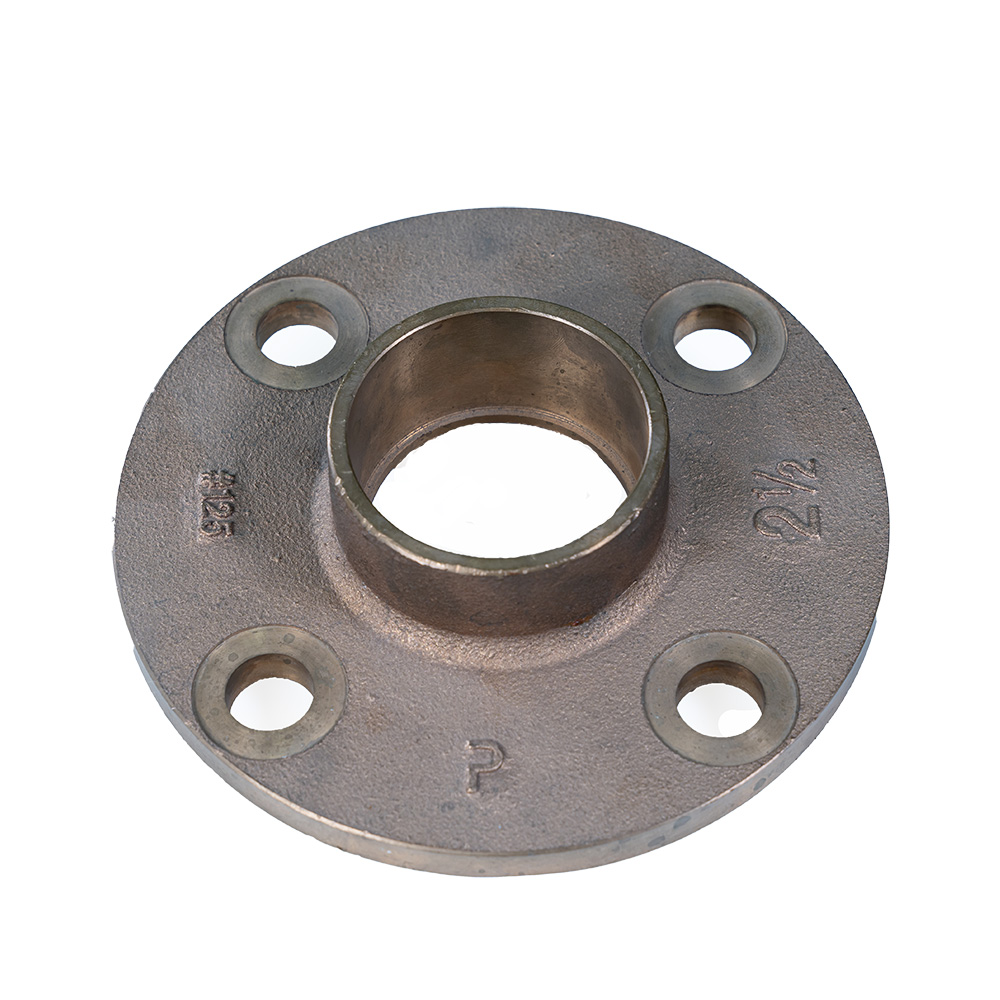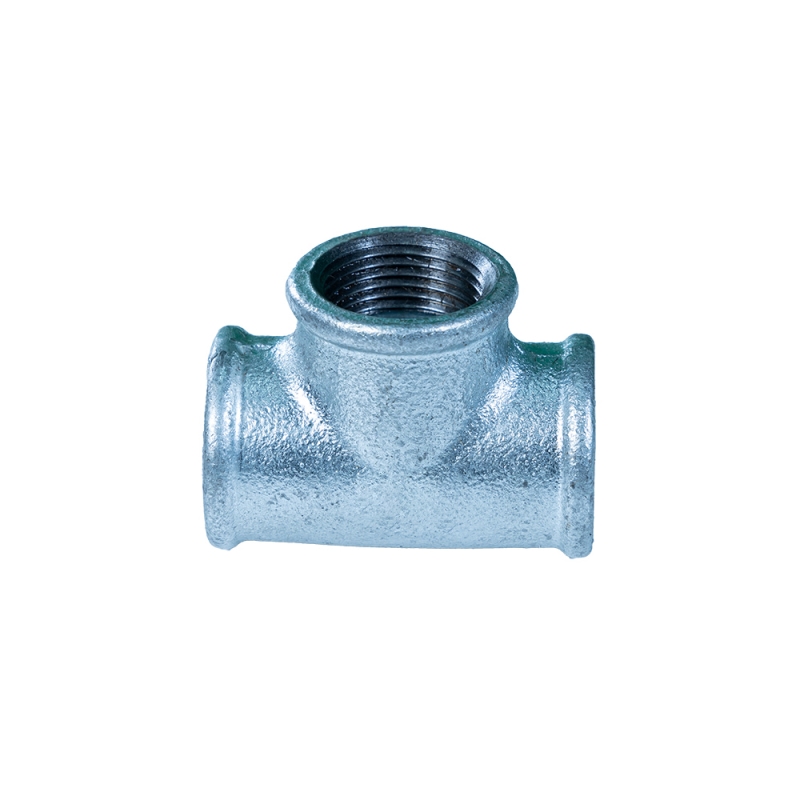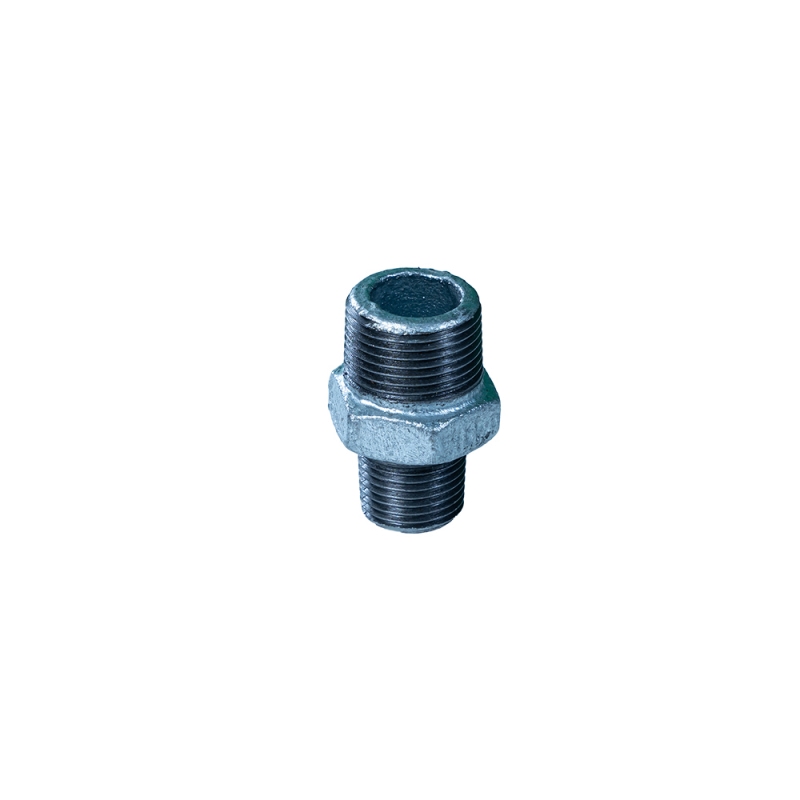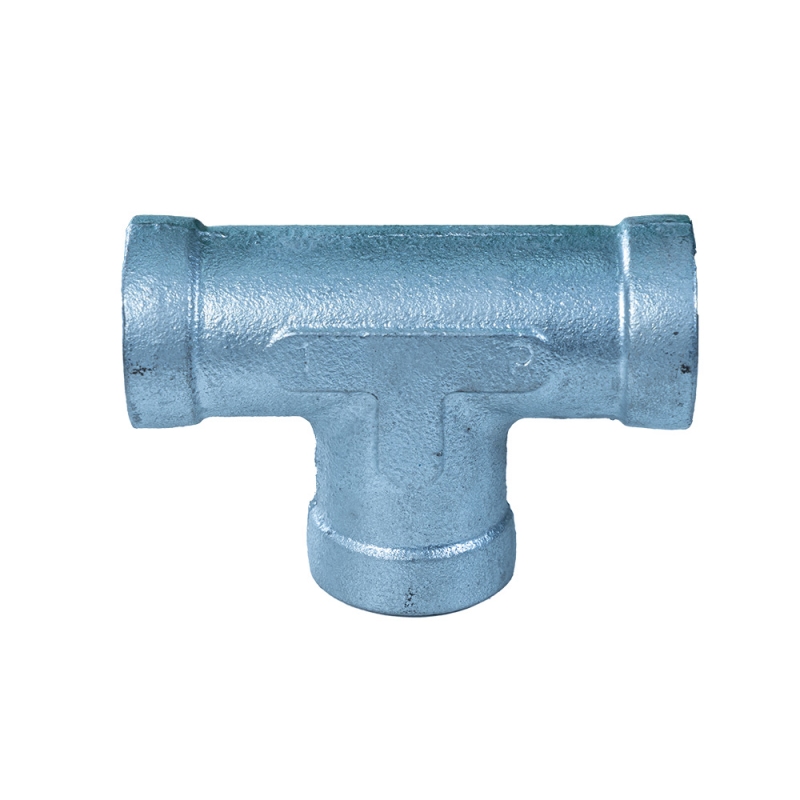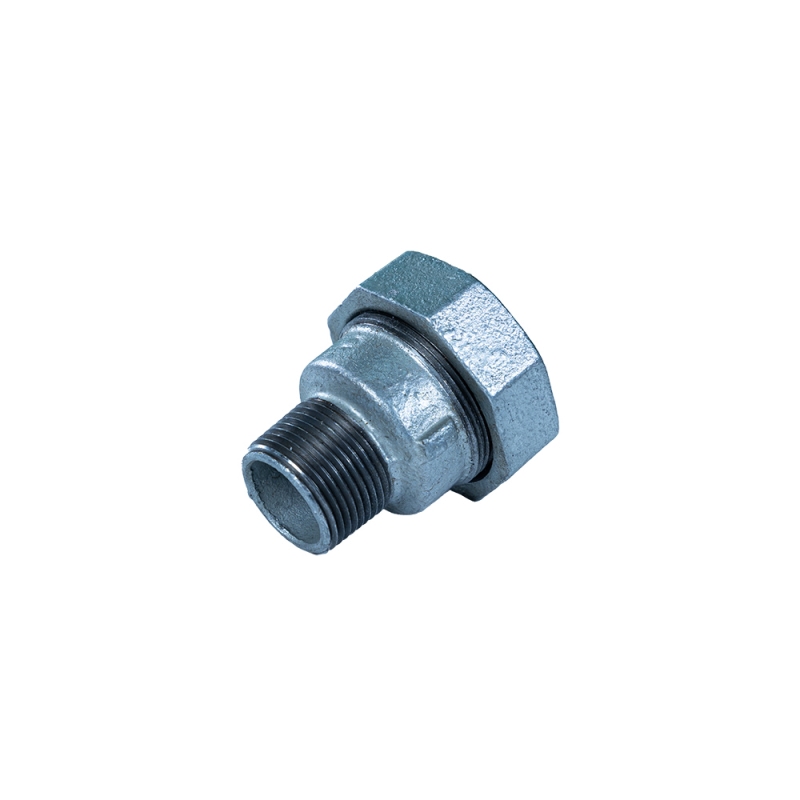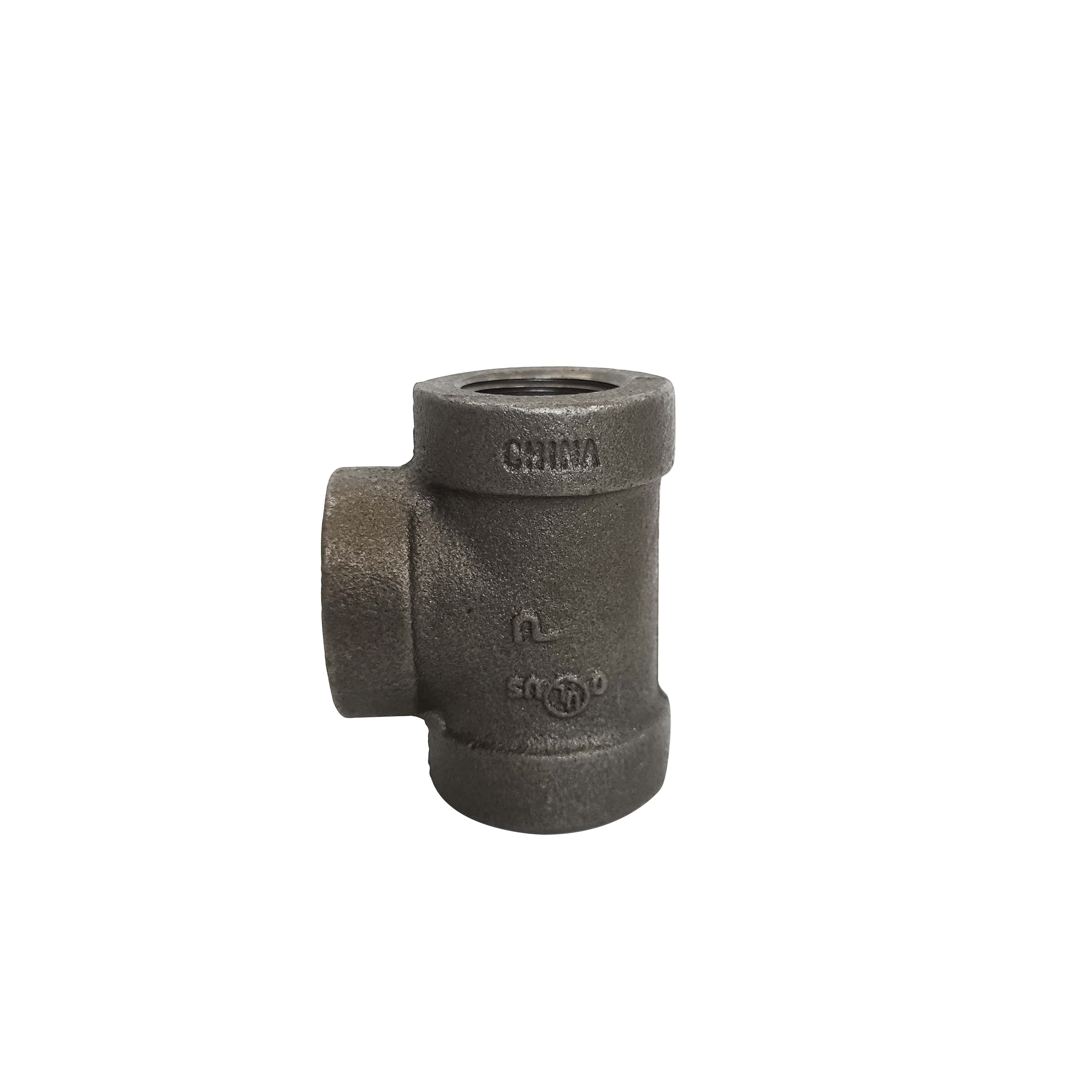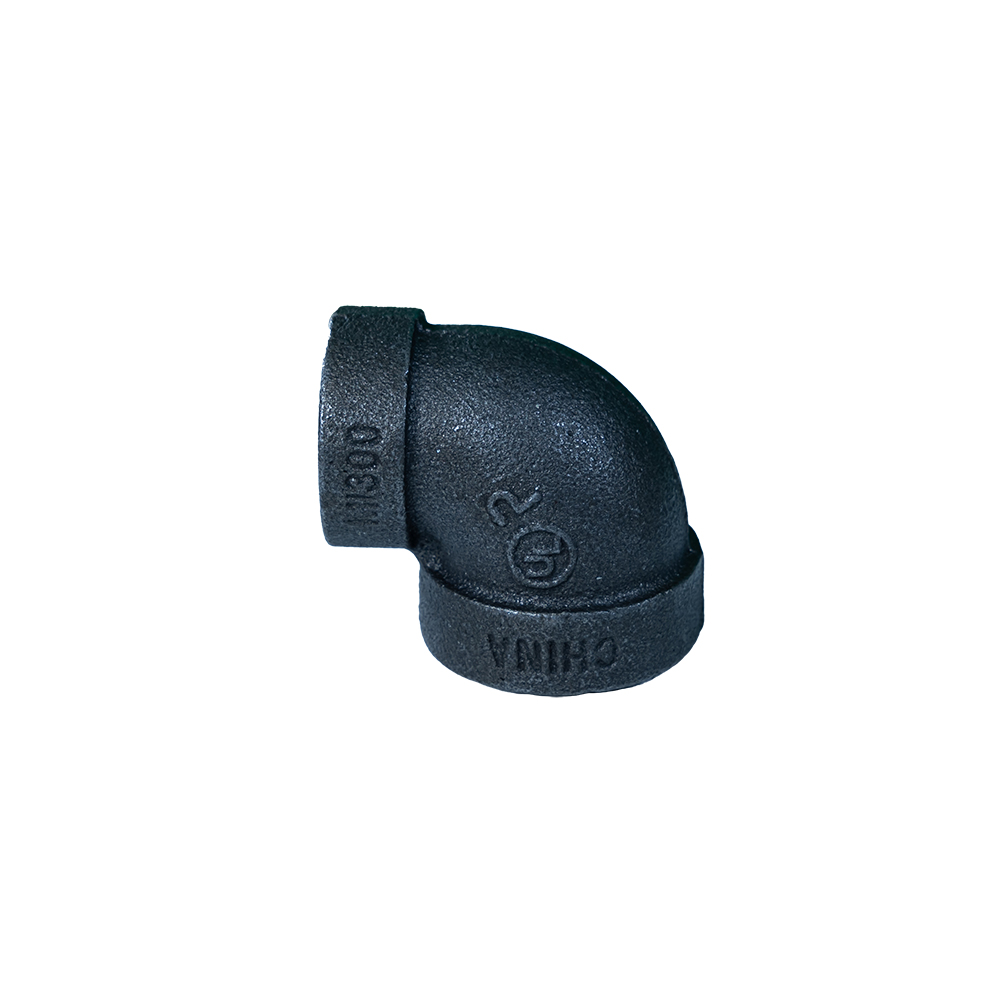

Understanding the 1 1/2 to 3/4 Reducer Coupling in Industrial Equipment
Having spent over a decade in the industrial equipment sector, I've come across countless fittings and couplings that at first glance seemed pretty straightforward — but in reality, they’re a lot more nuanced. Take the 1 1/2 to 3/4 reducer coupling for example. It’s one of those essential pieces that quietly keeps operations flowing smoothly, yet it rarely gets the spotlight.
Oddly enough, the simplicity of a reducer coupling can be deceptive. In industrial piping systems, transitioning from a larger diameter to a smaller one can be a potential hotspot for leaks or pressure loss if the coupling isn’t designed or installed correctly. This reducer coupling, specifically the 1 1/2 inch to 3/4 inch model, is frequently used where space constraints or flow requirements demand a sturdy, reliable connection between mismatched pipe sizes. Frankly, it’s a small component that can have a big impact.
Based on my experience and various conversations with engineers on the ground, the main materials used for these couplings are galvanized steel, stainless steel, or sometimes brass, depending on the application. Stainless steel often gets the nod where corrosion resistance is critical, especially in chemical or food processing plants. The galvanization helps protect steel in less demanding environments, but it isn’t the go-to if longevity is the primary concern.
Here’s a quick snapshot of typical specs you’d expect for a 1 1/2 to 3/4 reducer coupling:
| Specification | Details |
|---|---|
| Nominal Sizes | 1 1/2" to 3/4" |
| Material | Galvanized Steel, Stainless Steel, Brass |
| Pressure Rating | Up to 300 PSI (depending on material) |
| Thread Type | NPT (National Pipe Thread) standard |
| Common Applications | Plumbing, HVAC, Industrial piping |
One thing I noticed in my job is that choosing the right vendor for these couplings matters more than you might think. It’s tempting to just go for the cheapest option, but when you’re dealing with mismatched pipes and pressure flows, consistent thread quality and tight tolerances are paramount. I had a client once who switched suppliers after a batch of couplings caused minor leaks – the difference was night and day after the change.
To give you a rough comparison of some well-known vendors in this space, I put together a simple matrix based on ease of procurement, quality, price, and stock availability:
| Vendor | Quality | Price | Stock Availability | Lead Time |
|---|---|---|---|---|
| PanNext Fittings | High — consistent threading, durable | Moderate | Excellent (wide inventory) | 1–3 days |
| Generic Supplier A | Variable — quality varies batch to batch | Low | Limited | 5–10 days |
| Premium Industrial Co. | Very High — aerospace-grade precision | High | Good | 7 days |
You know, in real terms, the PanNext range stands out for balance between reliability and price, which is why I often end up recommending them to folks who want a solid, no-nonsense 1 1/2 to 3/4 reducer coupling. Their products just feel a bit sturdier, and the thread cuts seem cleaner—little things that mean a lot once you’re on site trying to avoid reworks.
Testing is another factor many overlook. In my early days, I underestimated how lab-verified pressure ratings could save a ton of headaches. Nowadays, whenever I specify a reducer coupling, I ask vendors first if they’ve done flow and pressure drop tests to confirm the fitting won’t bottleneck systems or cause turbulence. While data sheets can be generic, certified test results add that extra layer of trust.
Oh, and customization options relatively exist too. For those unique industrial rigs or retrofit jobs, some manufacturers can tweak thread lengths or even apply specific surface treatments upon request. I remember a project involving reclaimed water pipelines where standard galvanized couplings weren’t holding up. The vendor offered a custom stainless steel version with a special anti-fouling coating—saved the day.
So, wrapping up, the humble 1 1/2 to 3/4 reducer coupling is not just a simple connector. It’s a critical element bridging different pipe sizes safely, efficiently, and reliably. Choosing the right product involves inspecting specs, knowing your materials, verifying vendor credibility, and thinking in terms of long-term application impacts.
At the end of the day, I suppose it’s easy to overlook the smallest parts in industrial systems. But these reducer couplings? They quietly remind you that even the tiniest component deserves respect and thoughtful selection. If you haven’t yet explored options like those from PanNext Fittings, give it a look. It might just be the upgrade your system needs.
Cheers from the field!
References:
- ASME B1.20.1 - Pipe Threads, General Purpose (Inch)
- Industry Piping Handbook, 5th Edition, 2018
- PanNext Fittings Catalog and Technical Data Sheets (2023)
Post time: Dec-03-2025