
Understanding Mechanical Fitting: Why It Matters in Today’s Connected World
Mechanical fitting — at first glance, it might sound like something purely technical, tucked away in a factory or engineering workshop. But in reality, mechanical fitting plays a crucial role in creating the nuts and bolts (quite literally!) that keep industries running smoothly worldwide. From assembling pipelines that transport clean water in remote areas to constructing robust frameworks for renewable energy, the humble mechanical fitting quietly supports global infrastructure and humanitarian efforts alike.
Why does it matter globally? Because mechanical fittings are everywhere around us, often hidden, yet essential for safety, efficiency, and sustainability. Understanding the key benefits — like interoperability, durability, and the ease of installation — can help businesses innovate smarter and communities thrive better.
According to Wikipedia, mechanical fittings are vital in various applications, making their study not just academic but profoundly practical.
The Global Context: Why Mechanical Fitting is Critical Today
Imagine a world where every pipe, valve, or hose connection demands custom welding or complicated setups — engineering projects would be slower, costlier, and prone to failure. Thankfully, mechanical fittings simplify these processes, enabling faster assembly and resilient connections.
Globally, mechanical fittings support essential sectors: water supply, oil & gas, petrochemicals, and even agriculture. The International Organization for Standardization (ISO) reports that standardized fittings reduce risks while enabling interoperability across multinational projects. Interestingly, with the rise of smart manufacturing, automated assembly lines now increasingly depend on precision mechanical fittings to ensure consistent quality.
However, challenges remain. For example, regions with disaster-prone areas often face infrastructure damage, including fractured pipelines — here, quick mechanical fitting solutions can restore services faster than conventional methods.
What Exactly is Mechanical Fitting?
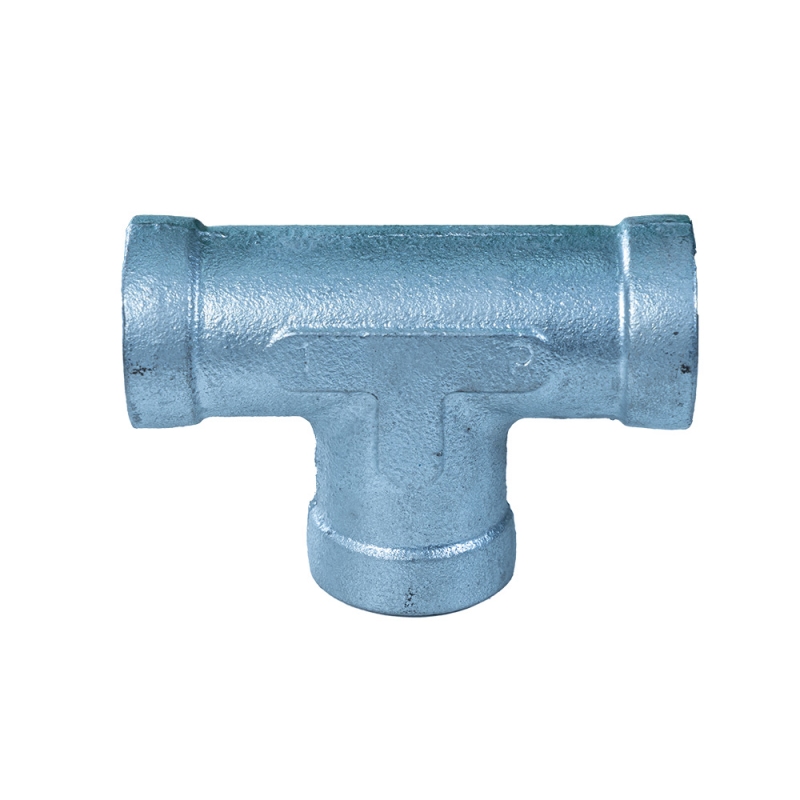
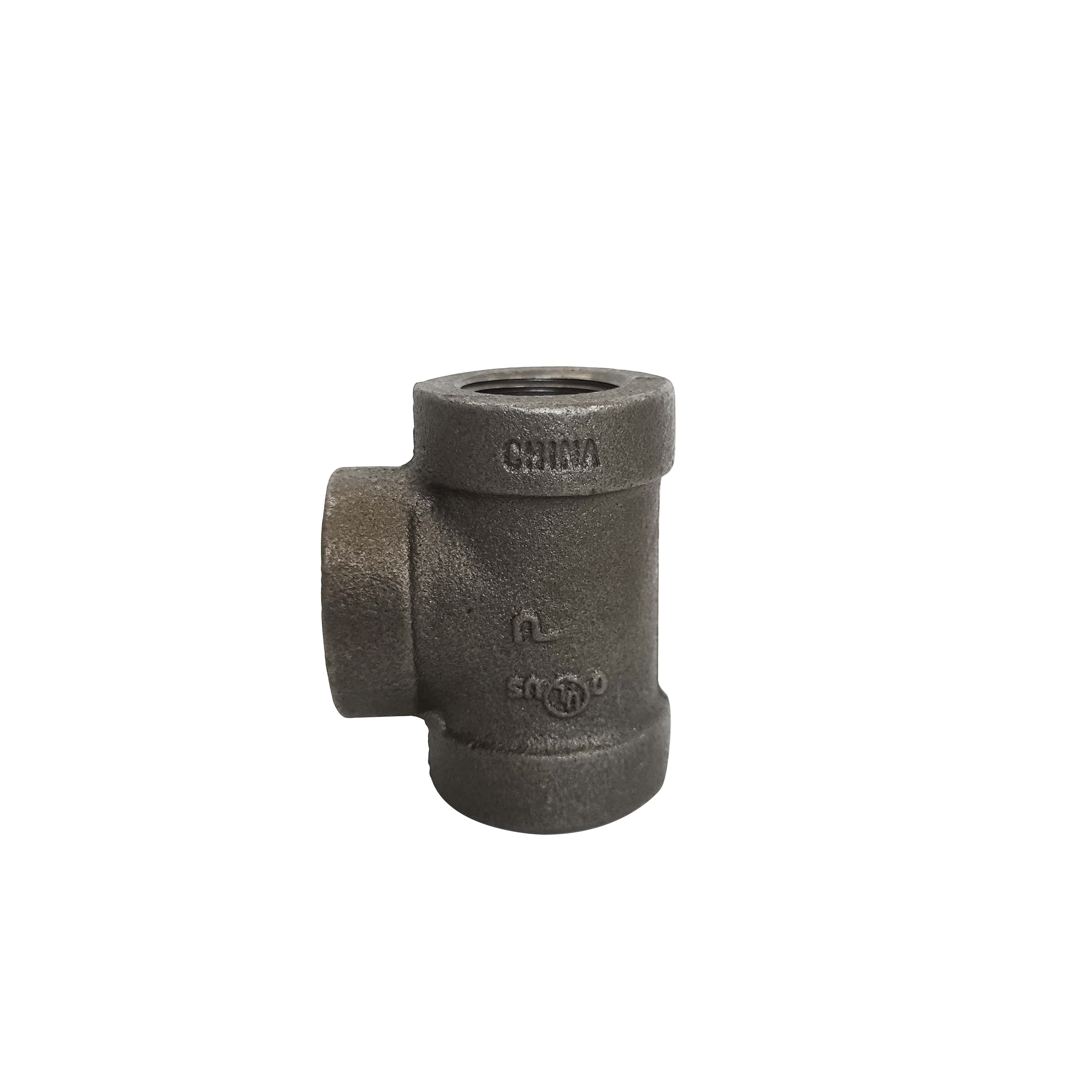
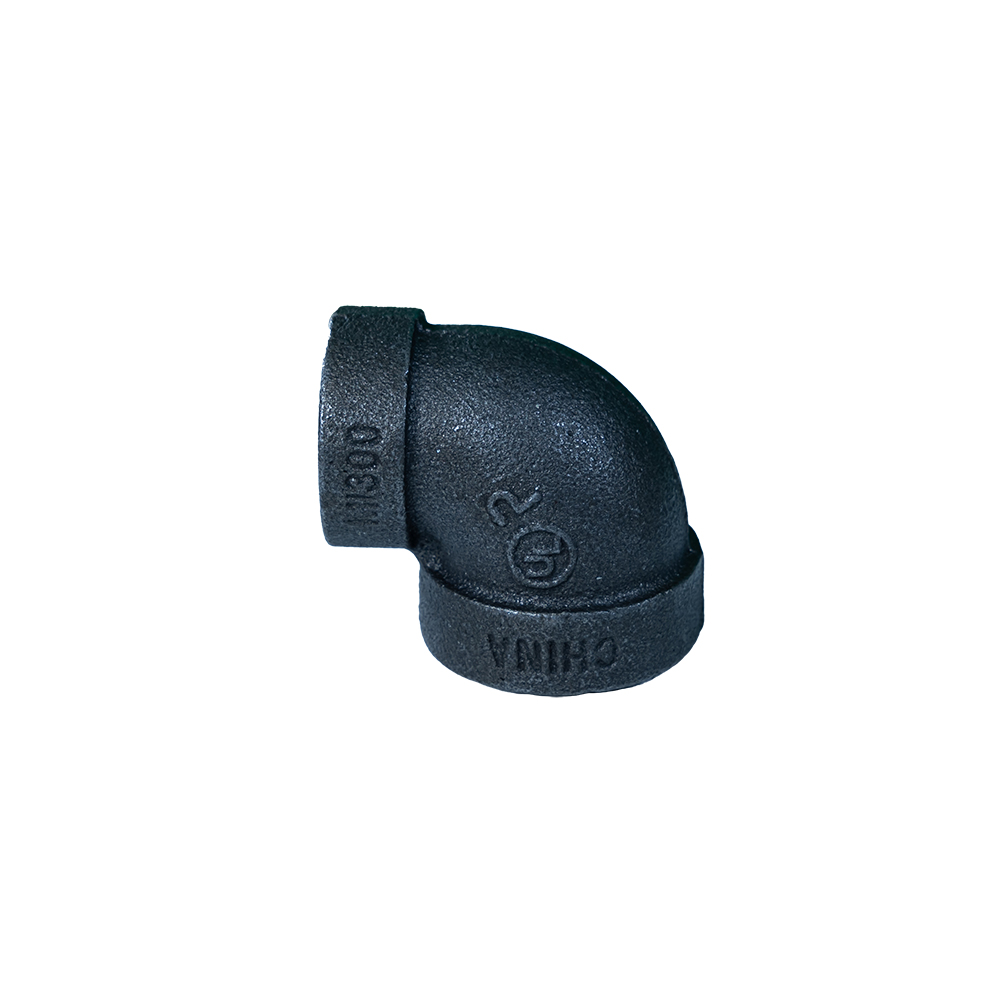
At its core, a mechanical fitting is a connector used to join pipes, tubes, or hoses securely without welding or permanent bonding. Think of it as the “adapter” or “junction” that ensures parts fit snugly, providing leak-proof and pressure-resistant connections.
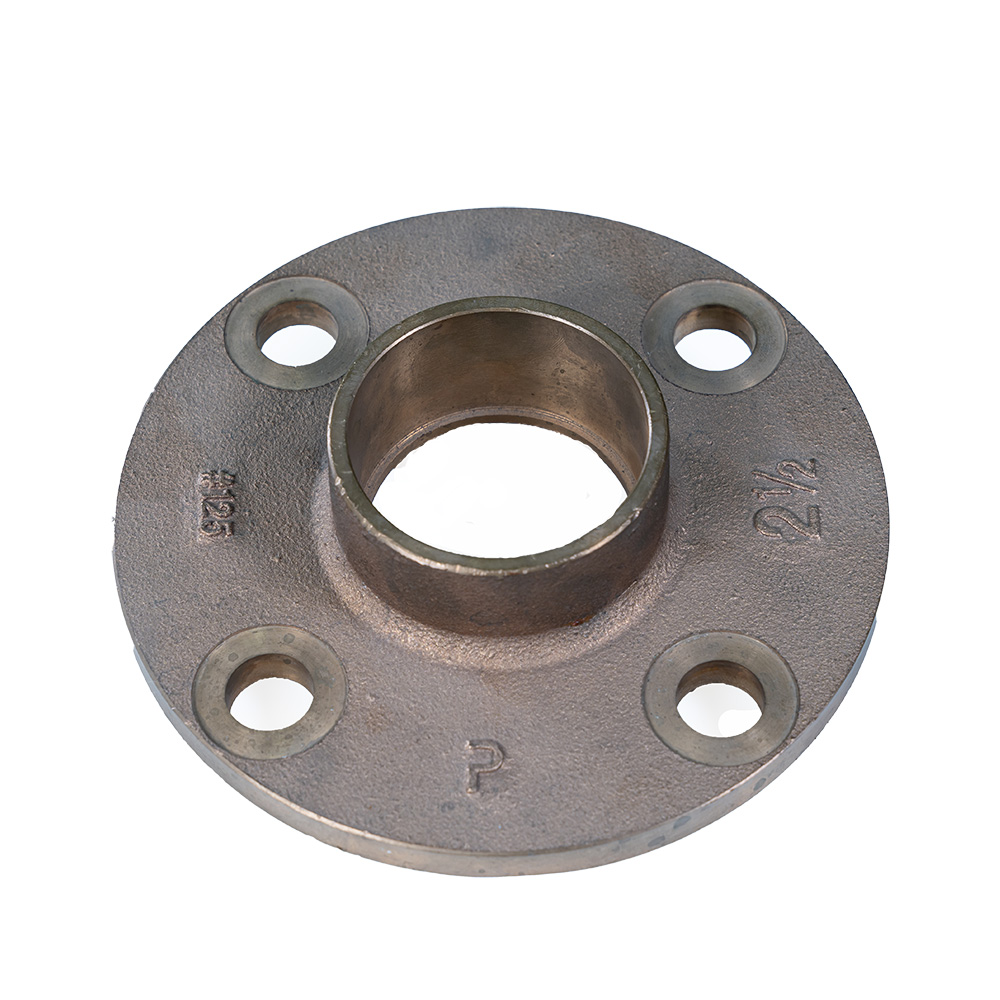
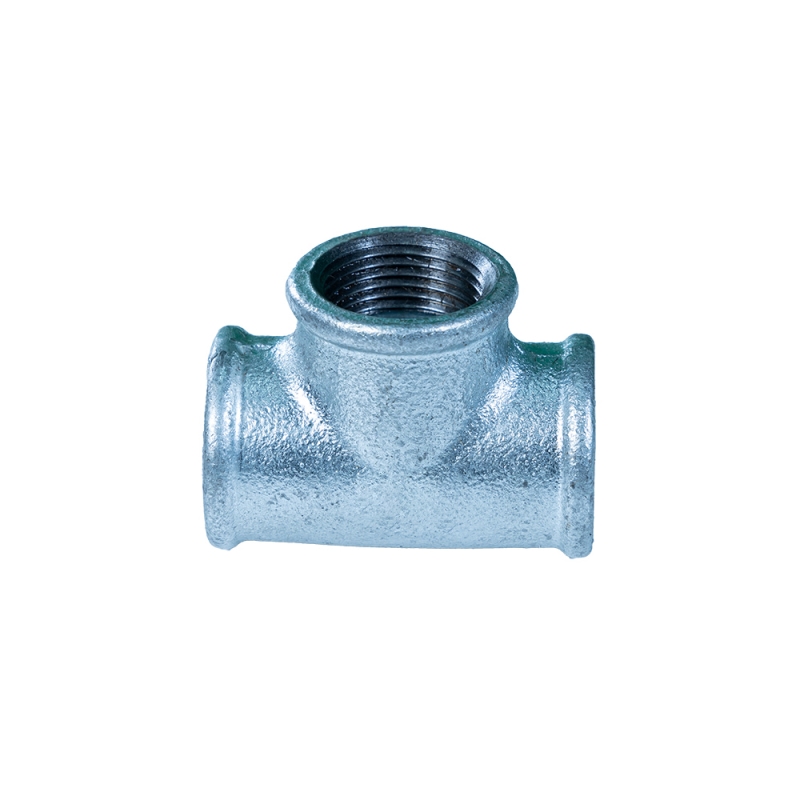
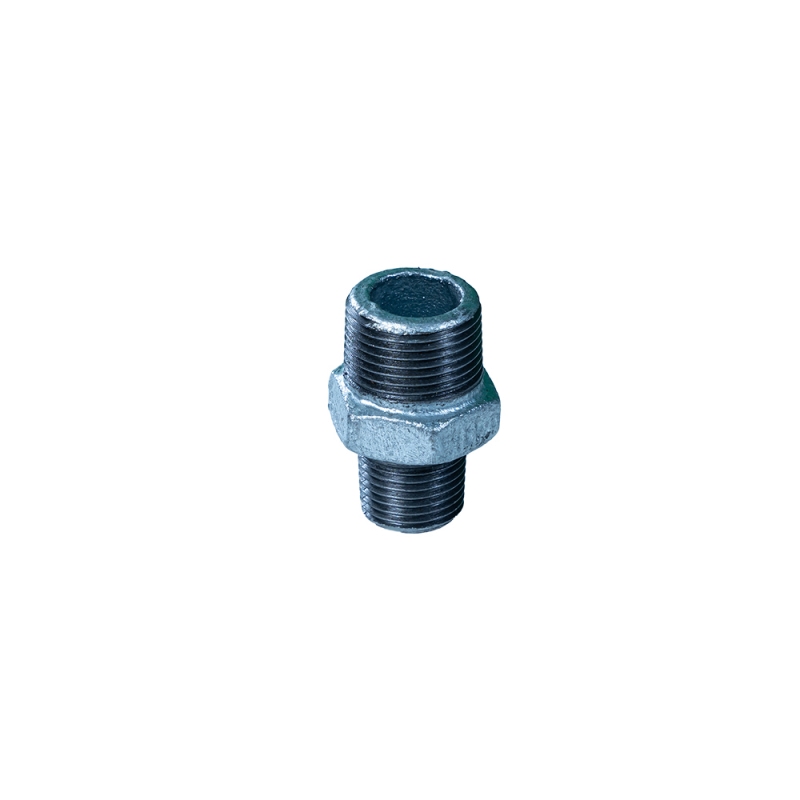
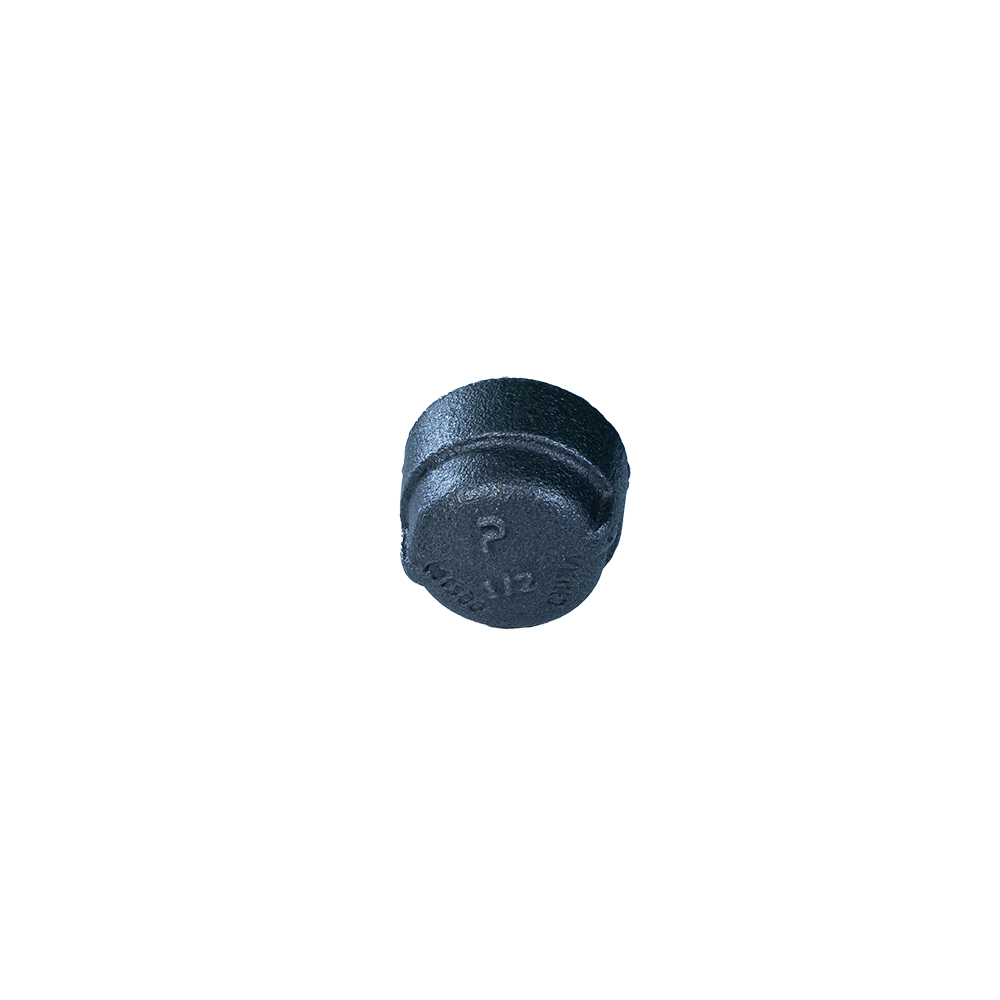
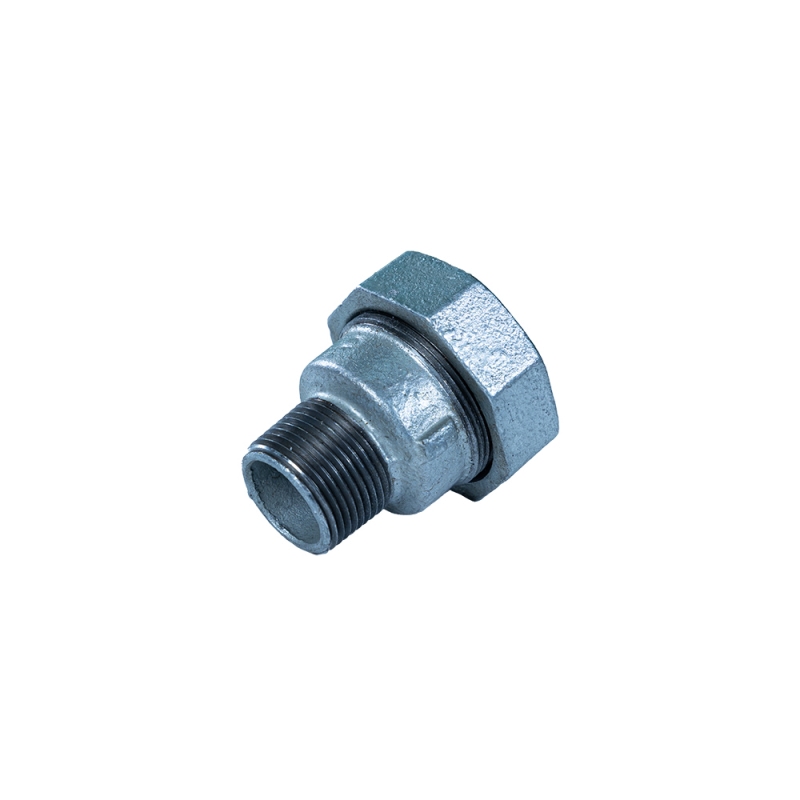
Mechanical fittings come in numerous forms: compression fittings, flange fittings, couplings, unions, and threaded connectors, among others. Each type suits different materials and uses — metal to plastic, flexible to rigid networks.
Why is this relevant beyond factories? Because in humanitarian contexts, quick installation of water or shelter systems depends on mechanical fittings that non-specialists can assemble on-site without heavy tools. It’s a small technical component with a big humanitarian ripple effect.
Key Components of Mechanical Fittings
- Material Quality: Corrosion resistance and tensile strength ensure longevity under harsh conditions.
- Seal Integrity: Gaskets or O-rings that prevent leakage are essential for safety.
- Compatibility: The ability to connect different pipe types or sizes seamlessly.
- Ease of Installation: Can the fitting be installed quickly without specialized tools?
Mechanical Fitting in Action Around the World
Look around: pipelines under streets, irrigation systems in farms, and factory lines — mechanical fittings are behind them all. Here are a few real-world examples:
- Post-disaster water restoration: After floods in Southeast Asia, rapid mechanical fittings enabled emergency water pipelines to be reconnected within hours.
- Remote industrial zones: In the Arctic, where welding under freezing temperatures is impractical, mechanical fittings ensure pipeline integrity with minimal maintenance.
- Renewable energy plants: Solar thermal and geothermal systems utilize mechanical fittings designed to withstand temperature variations and corrosive environments.
- Urban construction: Large-scale HVAC and fire suppression systems rely heavily on versatile mechanical fittings for efficient assembly and safety assurance.
Benefits and Long-Term Value of Quality Mechanical Fittings
So, what’s in it for engineers, planners, and communities?
- Cost Efficiency: Faster installation reduces labor costs.
- Reliability: Durable materials lower maintenance and failure risks.
- Sustainability: Reusable fittings curb waste compared to welded joints that may need cutting and replacement.
- Safety & Trust: Proven seal integrity prevents leaks, protecting infrastructure and human health.
- Innovation Enablement: Modular designs allow system upgrades without full disassembly.
There’s an emotional angle too — systems that remain dependable give communities confidence and peace of mind, especially in critical services like drinking water or heating.
A Quick Look at Mechanical Fitting Specifications
| Specification | Typical Range | Notes |
|---|---|---|
| Material | Stainless Steel, Brass, PVC | Depends on application environment |
| Pressure Rating | Up to 3000 PSI (206 bar) | Higher pressures need specialized fittings |
| Temperature Range | -40°C to 150°C (-40°F to 302°F) | Varies with seal material |
| Connection Types | Threaded, Compression, Flanged | Thread types standardized by ISO |
| Installation Time | 5-20 minutes per fitting | Significantly faster than welding |
Comparing Leading Mechanical Fitting Vendors
| Vendor | Material Options | Price Range | Customer Support | Customization |
|---|---|---|---|---|
| PanNext Fittings | Stainless Steel, Brass, PVC | Mid-range | 24/7 Technical Support | Custom sizes & finishes |
| FitWell Industries | Carbon Steel, PVC | Budget-friendly | Business hours only | Limited customization |
| SecureConn Ltd. | Stainless Steel Only | Premium | Dedicated Account Managers | Highly customizable |
Looking Ahead: Trends and Innovations in Mechanical Fitting
The mechanical fitting industry isn’t static — it evolves alongside materials science, digitization, and sustainability drives.
- Smart Fittings: Integrating sensors for pressure, flow, and leak detection in real-time.
- Eco-friendly Materials: Biodegradable seals and recycled metals to reduce environmental footprint.
- Automation Friendly: Designs optimized for robotic assembly lines, speeding up manufacturing.
- Modular Systems: More plug-and-play components that can be easily modified or upgraded on-site.
What Are Some Common Challenges?
Mechanical fittings, while versatile, can run into issues like seal degradation in harsh chemicals, compatibility mismatches in mixed-material systems, or installation errors by untrained personnel.
Experts suggest regular maintenance, investing in proper training, and choosing suppliers with strict quality certifications (think ISO 9001) as keys to overcoming these bottlenecks.
FAQ: Your Mechanical Fitting Questions Answered
- Q: How do mechanical fittings compare to welded joints?
- A: Mechanical fittings allow for quicker installation and are easier to replace or modify without specialized welding skills, which is a huge advantage in time-sensitive projects or remote locations.
- Q: Can mechanical fittings be used in high-pressure applications?
- A: Yes, many fittings are designed for pressures up to 3000 PSI, but choosing the right material and certified fittings is critical to ensure safety.
- Q: Are mechanical fittings suitable for potable water systems?
- A: Absolutely. Stainless steel and certain certified plastics are FDA-approved for potable water, ensuring no contamination risks.
- Q: How do I dispose of or recycle old mechanical fittings?
- A: Metallic fittings can usually be recycled at scrap metal facilities. Plastic components should be handled according to local waste management guidelines to avoid environmental harm.
Conclusion: Why Mechanical Fitting Deserves Your Attention
If there’s one takeaway here, it’s that mechanical fittings are deceptively simple parts with outsized impact. From accelerating construction timelines to supporting sustainability efforts, their role can’t be overstated.
Whether you’re an engineer, procurement specialist, or project manager, understanding mechanical fitting helps you make smarter choices in your builds. For reliable, customizable fittings designed with modern challenges in mind, check out mechanical fitting options from trusted vendors — your next project will thank you.
Stay curious about the small components that keep our big world turning — they’re where ingenuity often starts.
References:
1. Wikipedia on Mechanical Fittings
2. International Organization for Standardization (ISO)
3. World Bank Infrastructure Data
Post time: Nov-29-2025