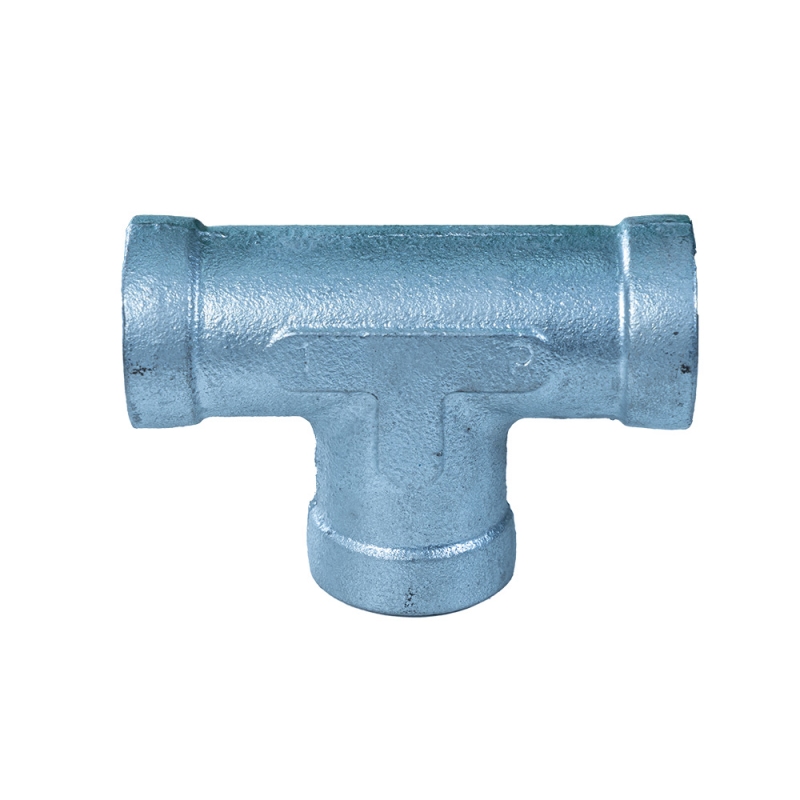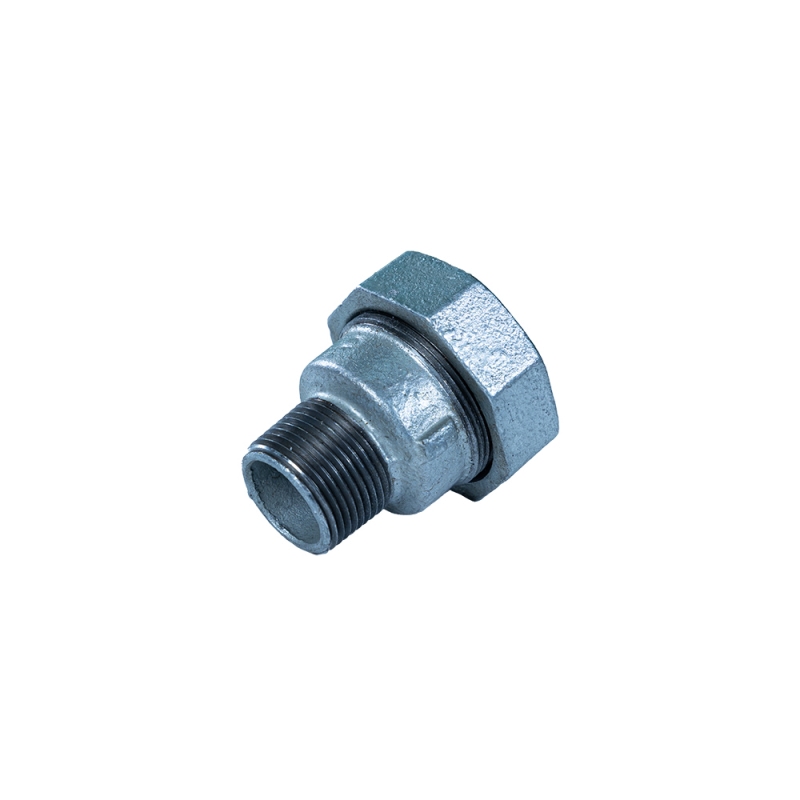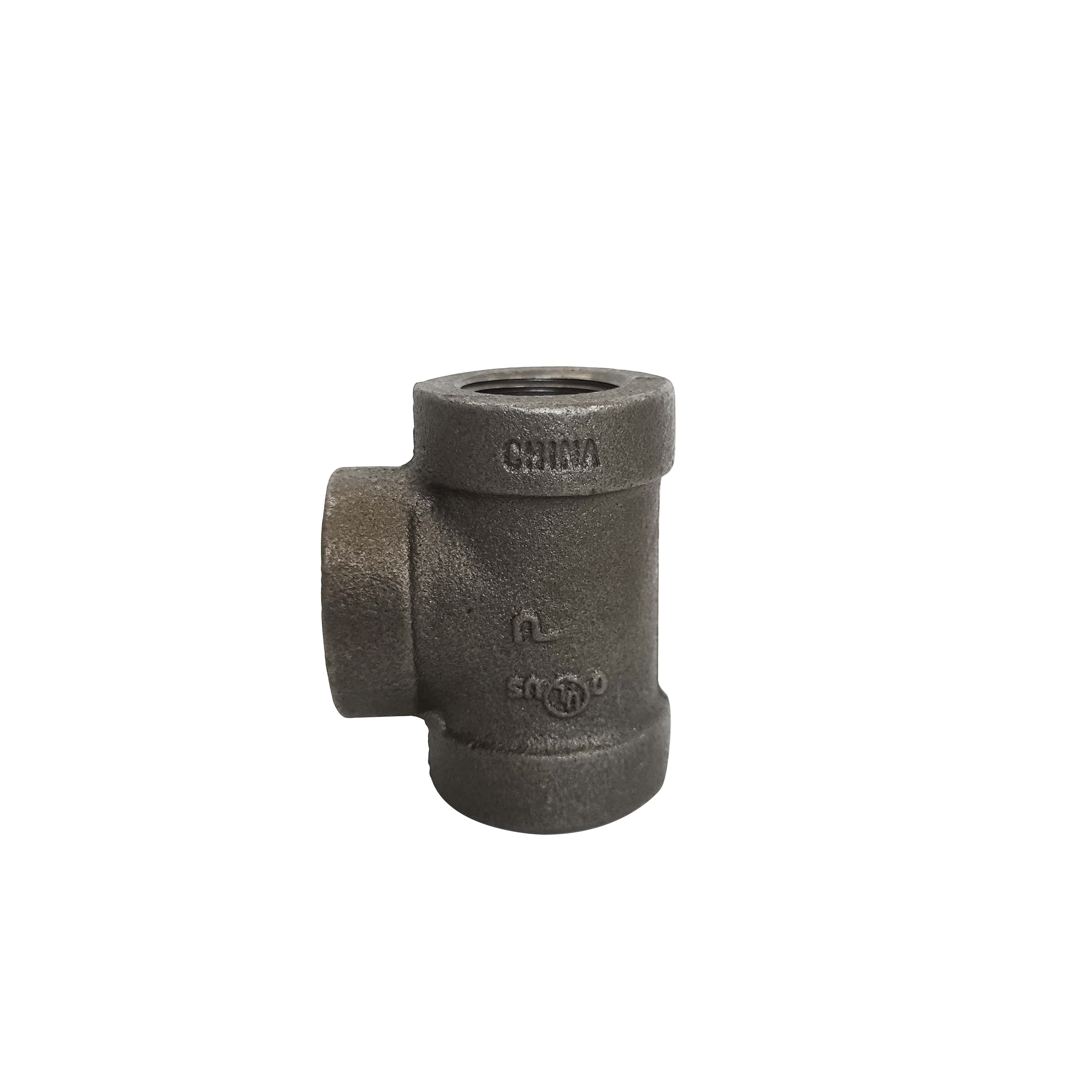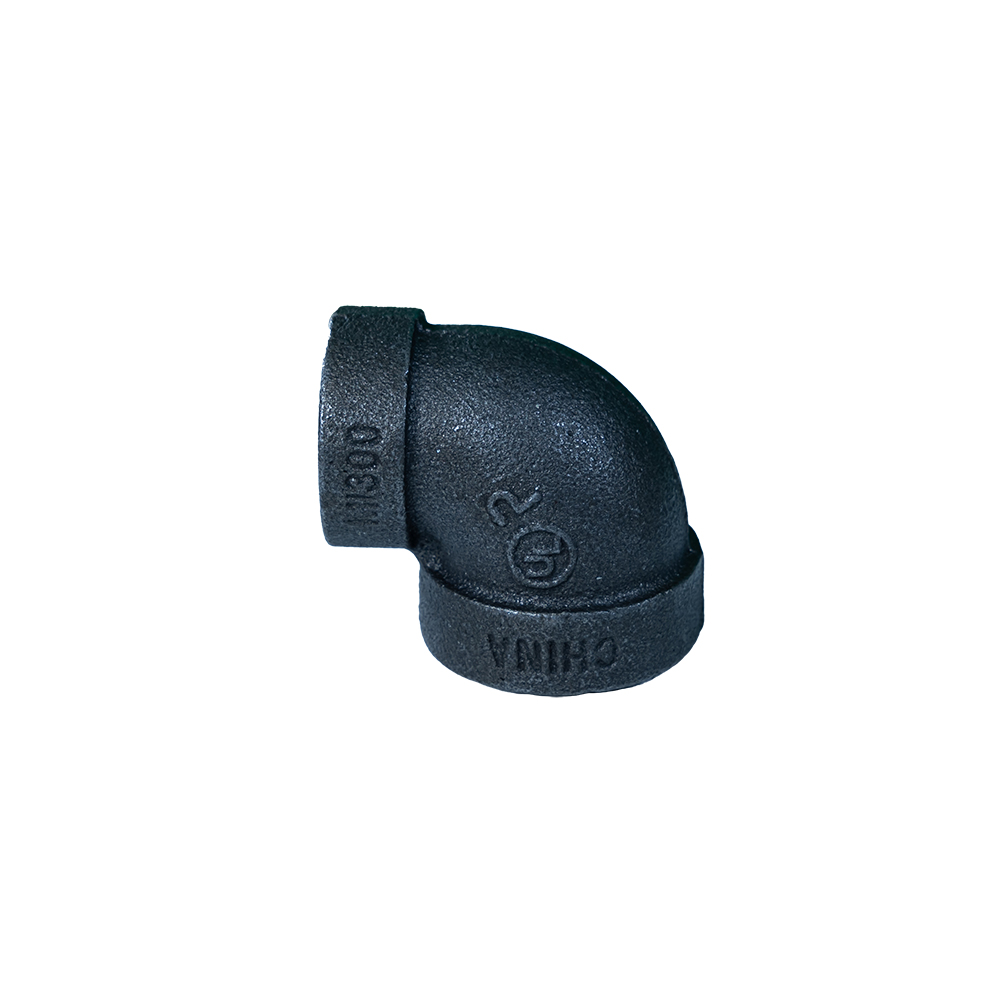

Understanding BSPP Pipe Fittings: Why They Matter Globally
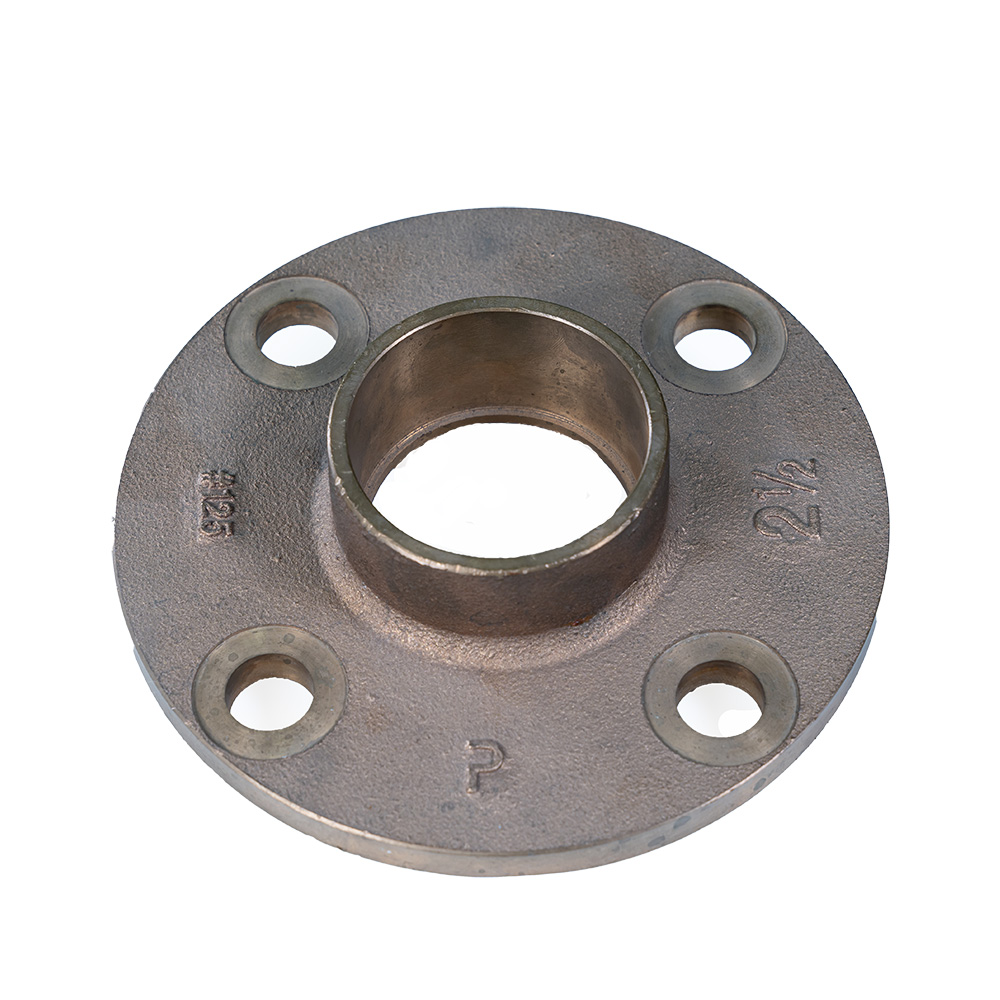
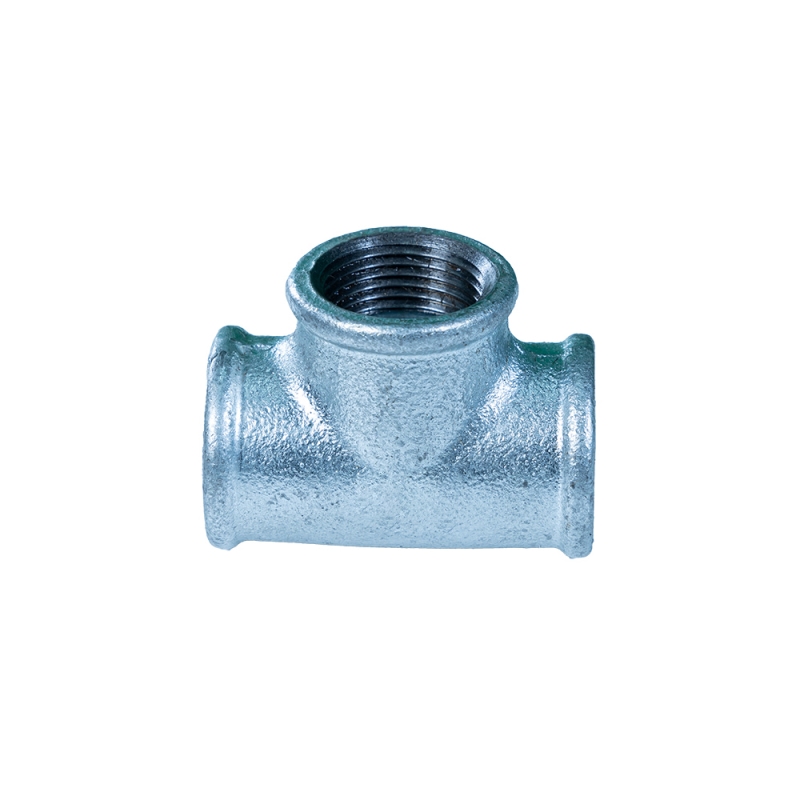
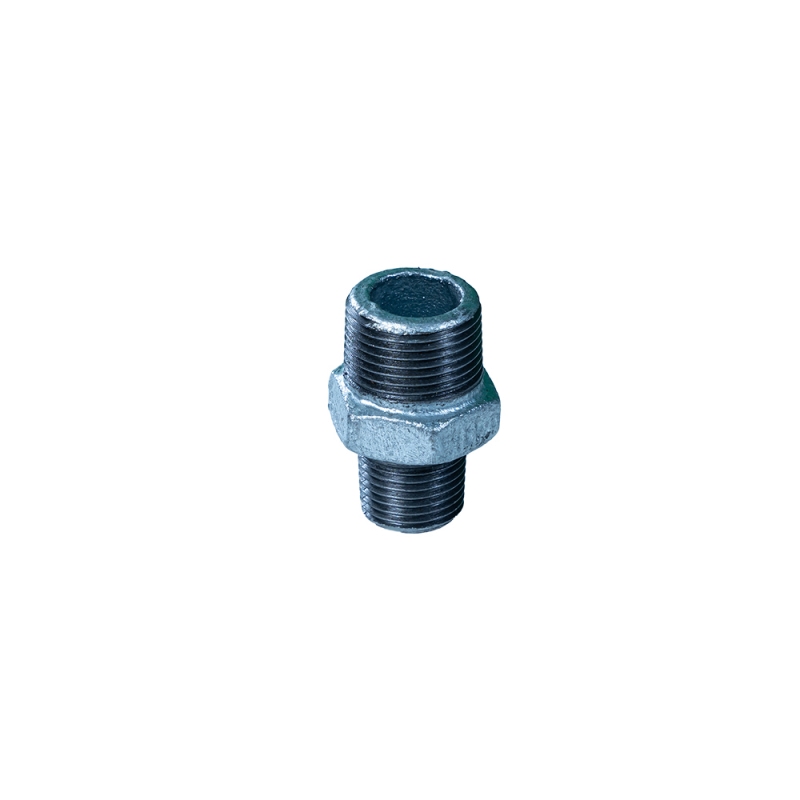
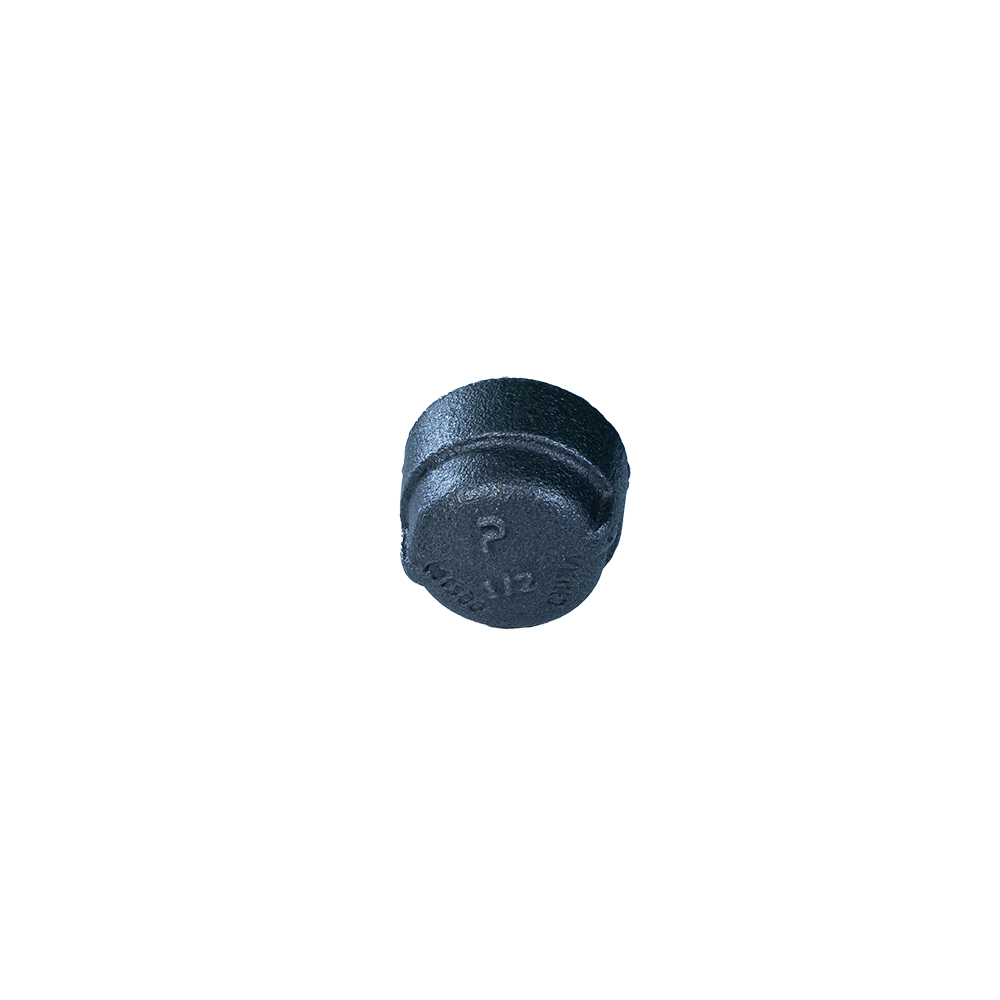
If you’ve ever wondered why certain piping components pop up again and again in industrial setups, marine vessels, or even water supply lines, the answer often points to something like bspp pipe fittings. BSPP, or British Standard Pipe Parallel fittings, is one of those quietly essential standards that keep fluid systems leak-free and safe worldwide. While the name sounds a bit like jargon (which it is, kind of), understanding it unlocks a cascade of benefits—efficiency, reliability, and even global compatibility—across many sectors.
Globally, the demand for standardized pipe fittings has skyrocketed with rapid urbanization, infrastructure build-outs, and industrial growth. According to the International Organization for Standardization (ISO), uniform standards like BSPP boost trade by over 25%, lowering the complexity of sourcing and replacement parts internationally.[1] In real terms, that means reduced downtime, cost savings, and safer operation environments for millions relying on industrial fluid transport. Simply put, grasping BSPP fittings isn’t just for pipe experts—it matters deeply for anyone invested in infrastructure or industrial growth.
The Global Context: Why BSPP Pipe Fittings Are Essential
Picture the global industrial landscape: Oil rigs drilling deep, touchy marine hydraulics controlling massive cranes, municipal water systems delivering drinking water to metropolises, and factories producing everything from cars to chemicals. In all these places, connections matter. A lot. BSPP pipe fittings, standardized under BS EN ISO 228, provide a common language for thread sealing, making it easier to build, maintain, and repair piping systems.
It’s especially significant in regions where cross-border industrial collaboration is the norm, and maintenance teams need to swap parts quickly without the headache of incompatible thread sizes or seals. According to UN trade reports, standardized pipe fittings reduce waste and lost time by nearly 15% in cross-national projects.[2] However, a major challenge remains: the coexistence of different fitting standards—like BSPT (tapered), NPT (National Pipe Thread), and metric fittings—can cause confusion. BSPP pipe fittings help address that by offering a reliable, leak-proof solution where parallel threads are needed.
What Exactly Are BSPP Pipe Fittings?
At their core, BSPP pipe fittings are components featuring parallel threads used to connect pipes and hoses. Unlike tapered threads that tighten by wedging together, BSPP threads rely on a sealing washer or O-ring to create a leak-tight joint. This design is particularly prevalent in hydraulic and pneumatic systems, where pressure containment is crucial.
More than meeting industrial specs, BSPP fittings link to broader contexts like humanitarian infrastructure. In disaster zones or developing regions, using familiar standards makes expediting repairs or new installations much simpler, reducing delays and risk.
Key Aspects of BSPP Pipe Fittings
Durability in Harsh Conditions
Many engineers I’ve chatted with swear by how BSPP fittings stand up to corrosion and vibration. Made from materials like stainless steel, brass, or carbon steel coated for protection, they resist wear even in offshore rigs or manufacturing plants pumping abrasive fluids.
Cost Efficiency and Availability
Because BSPP is a widespread standard, components are mass-produced and easily sourced worldwide, cutting procurement costs and reducing inventory headaches. For maintenance teams, it feels like a blessing to find exact fit parts on short notice.
Leak Prevention and Safety
With the parallel thread design, BSPP fittings depend on additional sealing elements such as O-rings or bonded seals. This approach minimizes leaks—critical in hazardous fluid transport or high-pressure hydraulics, where safety is non-negotiable.
Scalability and Compatibility
From small-diameter pipes in laboratory setups to large industrial pipelines, BSPP fittings come in various sizes and materials. Their compatibility with other standards (in certain adapters) makes integration smoother in complex systems.
Ease of Installation and Maintenance
Unlike some thread forms that require special tools or lubricants, BSPP fittings are relatively straightforward to install, saving time and skill level requirements—useful in remote or urgent applications.
Specifications of Typical BSPP Pipe Fittings
| Specification | Details |
|---|---|
| Thread Standard | BS EN ISO 228-1 |
| Thread Type | Parallel (Straight) |
| Sizes | 1/8" to 4" nominal diameter |
| Material Options | Stainless Steel, Brass, Carbon Steel, Aluminum |
| Seal type | O-ring or bonded seal (dependent on application) |
| Pressure Rating | Up to 100 bar (varies by size/material) |
How BSPP Pipe Fittings Make a Difference Around the World
In post-disaster relief operations — say after a typhoon in Southeast Asia — rapid setup of water supply lines is vital. Because many aid agencies use BSPP-standard fittings, local teams can quickly source parts or repair kits, speeding up water access. Similarly, in remote industrial zones like offshore oil platforms in the North Sea or mining operations in Australia, the robustness and leak resistance of BSPP fittings are indispensable.
Even multinational companies manufacturing automotive or heavy machinery in Europe and Asia rely on BSPP for hydraulic connections, facilitating cross-border component sourcing without compatibility issues.
Comparing Leading BSPP Pipe Fittings Vendors
| Vendor | Material Range | Global Availability | Price Range | Certifications |
|---|---|---|---|---|
| PanNext Fittings | Stainless Steel, Brass, Carbon Steel | Worldwide | Mid-range | ISO 9001, CE |
| PipeMaster Ltd. | Brass, Aluminum | Europe, Asia | Budget-friendly | ISO 14001 |
| GlobalPipe Systems | Stainless Steel, Carbon Steel | Global (incl. Americas) | Premium | API certified, ISO 9001 |
PanNext Fittings often strikes a balance between price, quality, and worldwide service—making them a reliable pick in many industries.
Advantages & The Long-Term Value of BSPP Fittings
- Cost Savings: Standardization means reducing special orders and downtime while ensuring replacement parts are on hand.
- Safety & Reliability: Proper sealing reduces hazardous leaks — crucial in chemicals, oil, and gas.
- Sustainability: Durable materials mean fewer replacements, less waste, and the ability to withstand harsh environments.
- Social Impact: In humanitarian contexts, interoperability often means quicker infrastructure recovery and safer water supply.
Looking Ahead: Trends and Innovations in BSPP Pipe Fittings
Green energy applications are demanding materials that can handle extreme pressures while being corrosion-resistant and recyclable. Some manufacturers are exploring advanced polymers and stainless alloys with embedded sensors to monitor wear and pressure in real-time. Automation in assembly lines means fittings can be pre-checked for sealing integrity, reducing human error. And industry 4.0 is pushing toward digital catalogs and ordering platforms that help predict replacements before failures.
Common Challenges and Expert Solutions
One challenge is the confusion between BSPP and other thread types—this can cause mismatches leading to leaks. Experts suggest clear labeling, training, and using adapters where needed rather than forcing incompatible connections. Additionally, improper installation without the correct O-ring can undermine BSPP’s sealing benefits. User education and supplier support are key here.
FAQ: Frequently Asked Questions About BSPP Pipe Fittings
- What makes BSPP fittings different from other pipe thread types?
- BSPP (British Standard Pipe Parallel) fittings have straight threads and rely on a separate sealing mechanism (like an O-ring), whereas BSPT or NPT threads are tapered and seal by thread wedging. This difference affects installation, sealing methods, and pressure ratings.
- Can BSPP fittings be used in high-pressure hydraulic systems?
- Yes, when paired with the appropriate seals and materials, BSPP fittings are commonly used in hydraulic systems and can handle pressures up to roughly 100 bar or more, depending on size and material.
- Are BSPP fittings interchangeable with NPT thread fittings?
- No, BSPP and NPT have different thread profiles and pitches, so they’re generally not interchangeable without adapters to prevent leaks and damage.
- How do I ensure the fittings don’t leak?
- Using the correct fitting size, proper O-rings or seals, and not over-tightening are key. Many professionals recommend lubricants compatible with the seals and following manufacturers’ torque specs.
- Where can I buy authentic BSPP pipe fittings?
- Reputable suppliers like PanNext Fittings provide certified BSPP components with global shipping and technical support.
Wrapping Up: Why Investing in BSPP Pipe Fittings Makes Sense
In a world where infrastructure reliability is paramount, BSPP pipe fittings quietly ensure that everything from your local water supply to massive industrial plants runs safely and efficiently. Their blend of durability, safety, cost-efficiency, and accessibility creates long-lasting value — and frankly, you can’t put a price tag on peace of mind.
Curious to explore more or get quote details? Visit our website for the latest in BSPP pipe fittings and other industrial solutions. You might just find the perfect match for your next project.
[1] ISO, International Organization for Standardization – iso.org
[2] UN Comtrade Database, United Nations – comtrade.un.org
[3] BS EN ISO 228-1 Standard Documentation
Post time: Dec-01-2025