Selecting reliable pipes and fittings manufacturers is a critical decision for engineers and procurement officers in the metal products industry, where joint integrity directly impacts system safety. In the specialized field of metal pipe fittings manufacturing, the difference between a standard component and a high-performance fitting often comes down to metallurgical precision and adherence to international certifications.
Many buyers struggle with the balance between cost-efficiency and long-term durability, often facing risks such as leakage, corrosion, or premature failure due to suboptimal material casting. Whether sourcing for industrial plumbing, oil and gas, or specialized HVAC systems, the primary challenge lies in verifying that the manufacturer's technical capabilities align with the actual pressure and temperature demands of the application.
This guide provides a professional framework for evaluating pipes and fittings manufacturers, focusing on critical technical specifications, certification standards like UL and FM, and a practical decision-making process to ensure procurement reliability and operational safety.

Critical Quality Indicators for Fitting Manufacturers

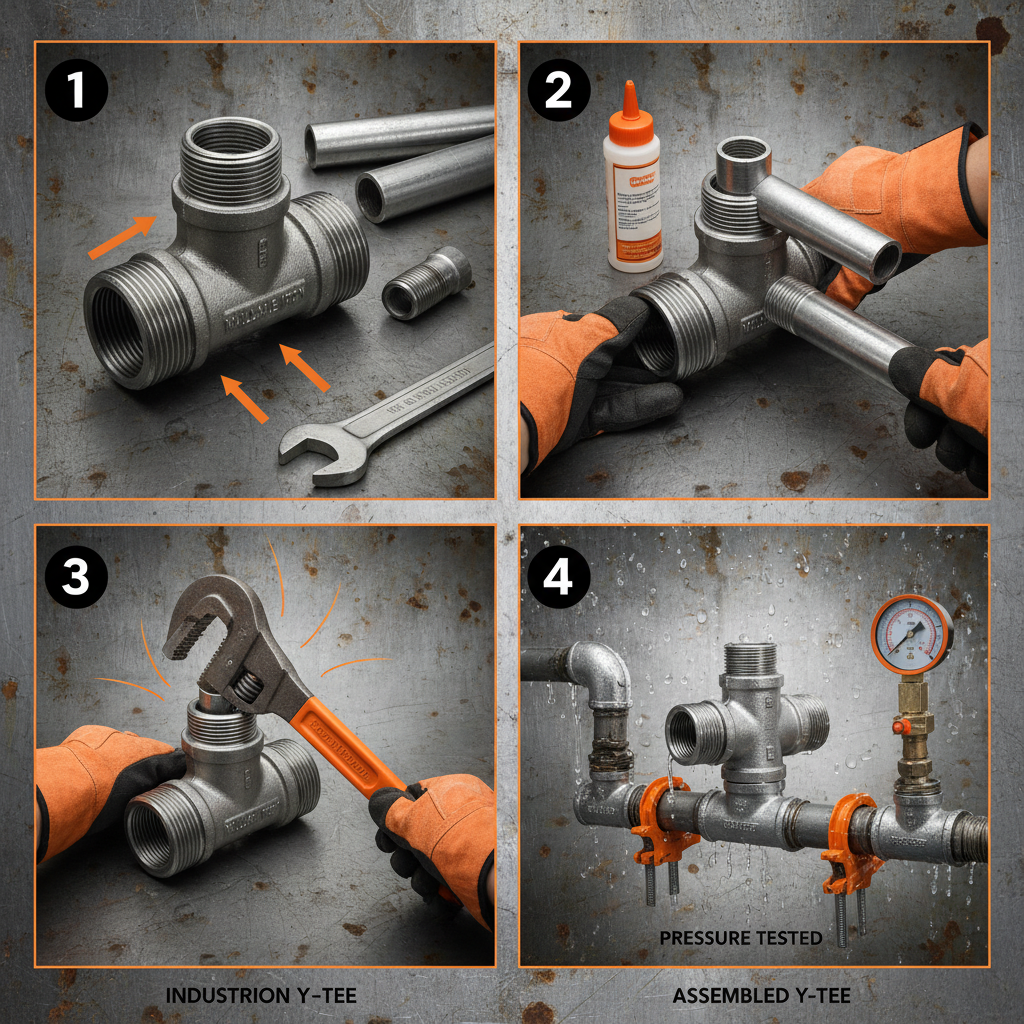
When vetting pipes and fittings manufacturers, the first point of evaluation must be the consistency of the casting process. High-quality malleable iron fittings require precise annealing to ensure the material is not overly brittle, which is essential for absorbing mechanical shocks during installation and operation. A manufacturer's ability to maintain tight tolerances on thread dimensions—specifically NPT or BS21 standards—determines the leak-proof nature of the entire piping assembly.
Beyond basic dimensions, the surface treatment is a primary indicator of longevity. Whether utilizing black iron or hot-dip galvanizing, the thickness and uniformity of the zinc coating are paramount. For instance, an average zinc coating of 86 um ensures significant protection against oxidation in humid or corrosive industrial environments, preventing structural degradation over time.
Material Standards and Metallurgical Requirements
The metallurgical composition of the fitting determines its pressure rating and thermal stability. For malleable iron pipe fittings, adherence to ASTM A197 is the industry benchmark, ensuring that the tensile strength meets the minimum requirement of 28.4 kg/mm. This strength is critical for Class 300 fittings, which are designed to handle working pressures up to 300 P.S.I. (approximately 10 kg/cm) at temperatures reaching 550°F.
Furthermore, elongation properties must be monitored; a minimum of 5% elongation prevents sudden catastrophic failure under stress, allowing the fitting to deform slightly rather than crack. For specialized environments, bronze pipe fittings are preferred due to their superior corrosion resistance, particularly in marine or chemical processing applications where iron would fail rapidly.
Matching Fitting Categories to Application Scenarios
Different piping systems require distinct fitting geometries and materials to maintain efficiency. Standard malleable iron pipe fittings are ideal for low-to-medium pressure water, gas, and air lines. However, for systems requiring rapid assembly or temporary configurations, compression couplings and quick connecting malleable iron fittings provide a significant advantage by reducing the reliance on traditional threading and sealants.
In high-corrosion zones or high-temperature steam lines, coated pipe fittings provide an added layer of chemical insulation. By selecting the correct category—such as transitioning from Class 150 to Class 300 based on the maximum surge pressure of the system—engineers can optimize both the cost of materials and the safety margin of the infrastructure.
Evaluating Manufacturing Capacity and Precision
The scale of a manufacturer's facility often correlates with their ability to maintain quality consistency. Advanced automation, such as the DISA automated production line, reduces human error in the casting stage, ensuring that every piece in a 10,000-ton annual output maintains the same structural integrity. This level of industrialization is what allows pipes and fittings manufacturers to meet the rigorous demands of North American and European markets.
The following conceptual index illustrates the relative impact of different manufacturing factors on the final product quality. Automated casting processes and rigorous certification testing provide the highest contribution to long-term reliability, while manual finishing and basic sampling have a lower relative impact on systemic safety.
The Role of UL and FM Certifications in Procurement
In the B2B procurement of industrial components, certifications serve as a proxy for trust and risk mitigation. UL Listed and FM Approved certifications are not merely badges; they signify that the manufacturer's products have undergone destructive testing and periodic audits. For fire protection systems or high-pressure gas lines, these certifications are often mandatory for insurance compliance and safety regulations.
When a manufacturer like PanNext holds these approvals, it indicates that their production process is standardized and that the material properties, such as the minimum tensile strength and elongation, are verified by third-party experts. This removes the burden of extensive internal testing from the buyer and ensures that the components will perform as specified under extreme conditions.
Common Procurement Risks and Mitigation Strategies
A common mistake in sourcing from pipes and fittings manufacturers is prioritizing the unit price over the total cost of ownership. Low-cost fittings often suffer from inconsistent zinc coating thickness or poor threading, leading to installation delays and potential leaks that cost far more to repair than the initial savings. Verification of the actual coating thickness (e.g., ensuring each fitting is ≥77.6 um) is a practical way to mitigate this risk.
Another risk is the lead-time gap. Given the weight and volume of metal fittings, logistics can become a bottleneck. Choosing manufacturers located near major transportation hubs, such as the Beijing-Tianjin corridor, can significantly reduce transit times and ensure a more stable supply chain for large-scale construction projects.
Supplier Selection Framework for Industrial Piping
To make an informed decision, procurement officers should use a weighted matrix that compares technical capabilities against operational requirements. The following table provides a comparative framework for different fitting types based on common industrial needs, helping buyers align their choice with the specific demands of their project.
| Fitting Type | Primary Strength | Best Use Case | Key Consideration |
|---|---|---|---|
| Malleable Iron | Impact Resistance | General Plumbing | Corrosion Protection |
| Bronze Fittings | Chemical Stability | Marine/Chemical | Higher Material Cost |
| Class 300 Iron | High Pressure | Industrial Gas | Wall Thickness |
| Galvanized Iron | Rust Prevention | Outdoor Piping | Zinc Layer Thickness |
| Compression Type | Fast Installation | Temporary Lines | Sealing Integrity |
| Black Iron | Basic Utility | Internal Gas | Oxidation Risk |
Ultimately, the ideal supplier is one that combines 30+ years of casting experience with modern automated production and recognized international certifications. This synergy ensures that every fitting delivered is not only compliant with ASME B16.3 but also durable enough for the intended lifespan of the piping system.
Frequently Asked Questions
Class 300 fittings are designed for higher pressure environments, typically supporting up to 300 P.S.I., whereas Class 150 is for lower pressure applications. Class 300 fittings generally have thicker walls and higher burst pressure ratings.
These certifications verify that the manufacturer follows strict quality controls and that the products have passed rigorous safety and pressure tests, which is often required for insurance and building code compliance.
Check the average zinc coating thickness. A high-quality fitting should have an average coating of around 86 um, with no individual fitting falling below the minimum threshold (e.g., 77.6 um) to ensure corrosion resistance.
Yes, high-grade malleable iron fittings are rated for temperatures up to 550°F, provided the pressure does not exceed the specified rating for that temperature gradient.
Bronze offers significantly higher resistance to corrosion, especially in salt water or acidic environments, making them essential for marine and specialized chemical applications where iron would rust.
Evaluate their history in casting (e.g., 30+ years), their certification list (UL, FM, ISO), the level of automation in their facility (like DISA lines), and their ability to provide free samples for independent testing.
Conclusion
Finding the right pipes and fittings manufacturers requires a shift from purely price-based procurement to a value-based evaluation of technical specifications, material certifications, and manufacturing precision. By focusing on ASTM standards, UL/FM approvals, and verified coating thicknesses, businesses can significantly reduce the risk of system failures and long-term maintenance costs.
For those seeking industrial-grade malleable iron and bronze solutions that meet strict American and international standards, you can explore the full technical range and capacity at www.malleablefitting.com to ensure your piping system remains safe and reliable.