
Understanding the 1 to 3 4 Reducer Coupling in Industrial Equipment
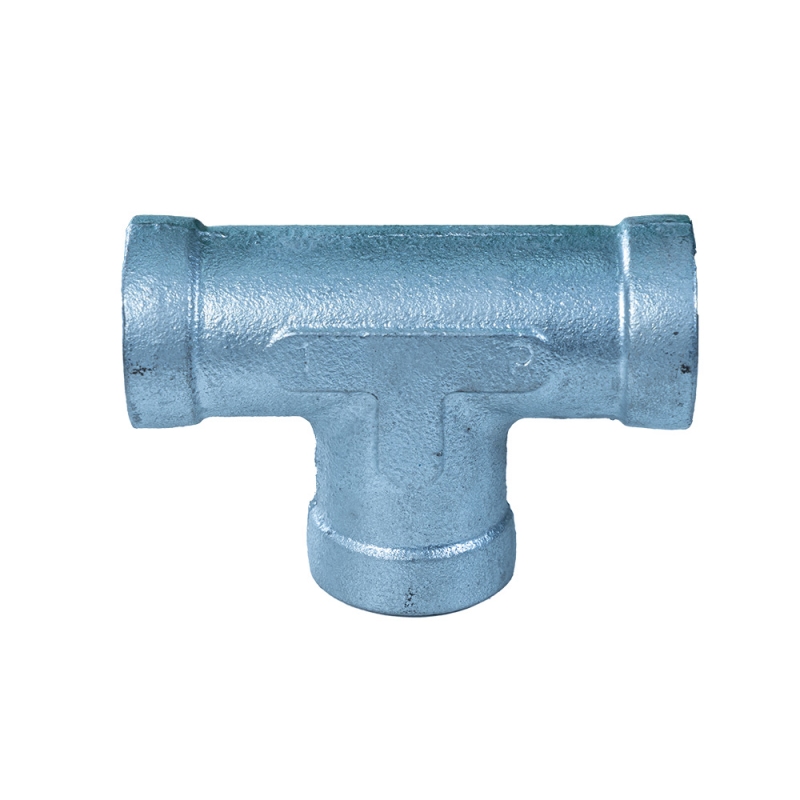
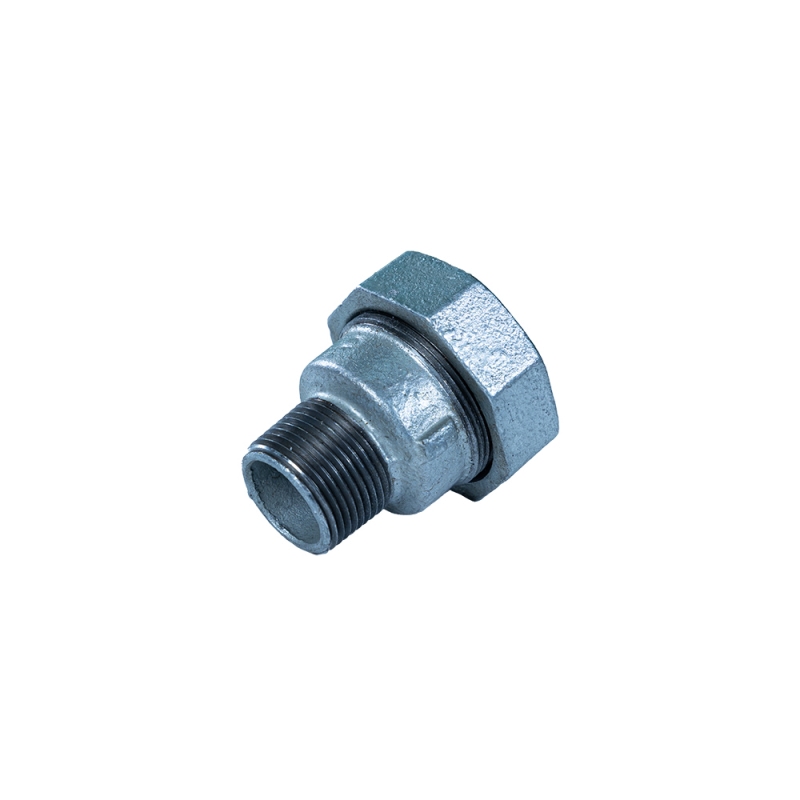
Having spent a good chunk of my professional life navigating the labyrinth of industrial fittings and connectors, the 1 to 3 4 reducer coupling is one of those humble yet vital components you don’t always notice until it’s missing or failing. Oddly enough, it’s one of the essential pieces ensuring that different pipe diameters fit together snugly without leaks or stress – kind of the unsung hero of industrial piping systems.
Frankly, in real terms, understanding the design and function of these reducer couplings can save a lot of headaches during installation or maintenance. When I first encountered them on a large batching plant, I noted how the coupling’s precision manufacturing with robust materials made it far superior to the improvised fixes we’d seen elsewhere.
Basics and Materials
The "1 to 3 4" refers to the reduction in pipe diameters the coupling connects – specifically from a 1-inch pipe fitting down to a 3/4-inch one. It’s a critical transition point where maintaining integrity and flow efficiency is crucial. Most of these couplings are made from durable metals like stainless steel or brass, though you’ll also find ones in carbon steel or specialized alloys depending on the application.
In my experience, stainless steel versions are preferred in environments prone to corrosion or extreme temperatures, such as chemical plants or food processing. They also withstand pressure fluctuations better. Many engineers I’ve worked with stress the importance of choosing the right material upfront because retrofitting a failing coupling can shut down an entire production line.
Testing and Quality Assurance
One of the reasons I trust reputable suppliers, like the ones behind the 1 to 3 4 reducer coupling, is their strict quality control. Most high-quality couplings undergo pressure tests, dimensional inspections, and sometimes even stress analysis through advanced simulations to ensure they won’t crack or deform under expected loads.
A quick anecdote: once, a customer insisted on purchasing a cheaper, non-branded reducer that looked almost identical. Within weeks, it failed under pressure, and we had to replace the whole section – causing delays and unexpected costs. That experience reinforced my stance on investing in trusted products.
Product Specifications at a Glance
| Feature | Specification |
|---|---|
| Size Transition | 1 inch to 3/4 inch |
| Material | Stainless Steel (304 & 316 options) |
| Pressure Rating | Up to 6000 psi (depending on material grade) |
| Connection Type | NPT or BSP threaded |
| Temperature Range | -40°C to 450°C |
How to Choose Between Vendors
Not all reducer couplings are created equal. I’ve seen plenty that look nice on paper yet disappoint in field conditions. What I tend to recommend is evaluating vendors on a handful of criteria like certification, lead time, price consistency, and warranty terms. Oddly enough, price shouldn’t be the main driver here; you risk quality and downtime.
| Vendor | Material Quality | Certifications | Price | Warranty |
|---|---|---|---|---|
| Pannext Fittings | 316 Stainless Steel, premium alloy | ISO 9001, CE | Mid-range | 2 years |
| Generic Supplier A | Carbon Steel (varied) | None / Unverified | Low | No warranty |
| Industrial Brand B | 304 Stainless Steel | ISO 9001 | High | 5 years |
Customization and Usage Tips
One thing that’s increasingly common is custom reducer couplings tailored to specific project needs. Companies sometimes need unique threading standards or special coatings to combat particular chemical exposure. I’ve seen clients ask for custom length reducers or ones fitted with gauge ports for pressure monitoring – a neat touch that adds real-time diagnostics capabilities.
Installation-wise, a good coupling should screw on smoothly without forcing, and using thread sealant tape or compound generally ensures leak-free joints. But don’t overtighten – it can deform the fitting or stress the pipe ends. I’ve witnessed firsthand how the right torque tools and installer training improve reliability substantially.
Overall, the 1 to 3 4 reducer coupling may seem straightforward, but it’s these details—material, manufacture, testing, and installation—that make it truly efficient and durable in the field.
To sum it up: never underestimate the coupling. It’s a small part with a big role, connecting different worlds (or pipe sizes). And choosing wisely pays off long term.
Post time: Dec-09-2025