
Industrial Piping Solutions for Sri Lanka: High-Pressure class 300 pipe fittings

Providing durable, corrosion-resistant malleable iron and coated piping components engineered for Sri Lanka's challenging tropical and maritime environments.

Industrial Piping Solutions for Sri Lanka: High-Pressure class 300 pipe fittings

We deliver a comprehensive range of high-performance pipe components, specifically designed to meet the rigorous pressure and temperature demands of Sri Lankan industrial infrastructure, ensuring leak-proof connectivity and long-term structural integrity.

Current Market Landscape of Pipe Fittings in Sri Lanka

Analyzing the impact of maritime humidity and industrial growth on material selection.

Sri Lanka's geographical position as an island nation exposes its industrial infrastructure to extreme saline humidity and high rainfall. This environment accelerates the oxidation of standard metals, creating a critical demand for galvanised malleable iron pipe components that can withstand atmospheric corrosion in coastal zones like Colombo and Galle.

The current market is shifting from basic utility piping to specialized high-pressure systems. As the country invests in tea processing plants and garment factories, the adoption of crane malleable fittings has increased due to their proven reliability in handling heavy-duty mechanical vibrations and thermal expansion.

Furthermore, the modernization of Sri Lanka's urban water and gas distribution networks has led to a preference for coated pipe fittings. These products provide an essential secondary barrier against soil acidity and chemical leaching, reducing maintenance costs for municipal projects.
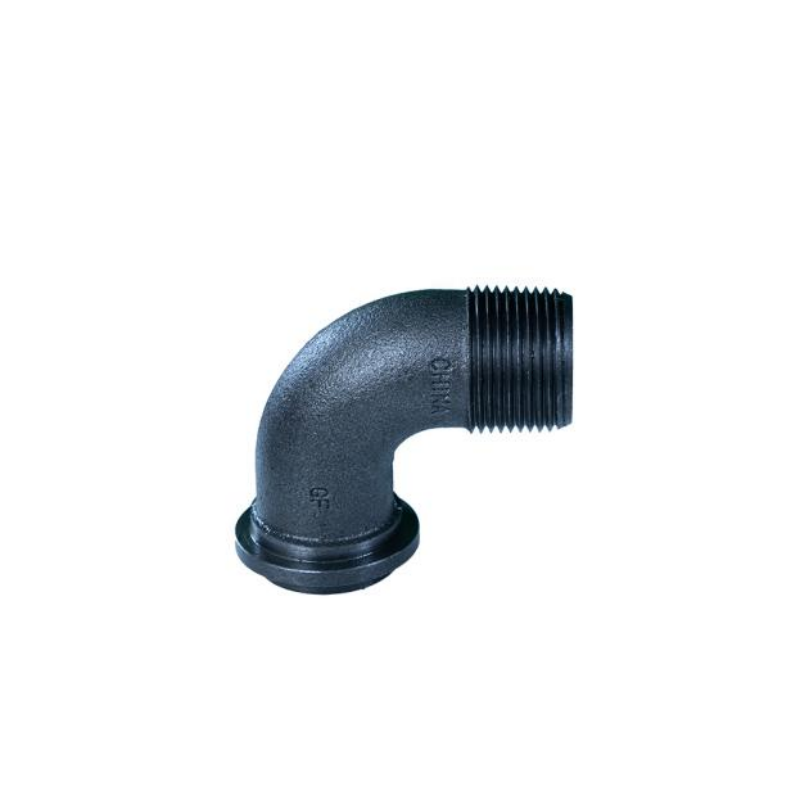
Evolution and Technical Trajectory of Sri Lankan Piping

From traditional cast iron to precision-engineered compression systems.

Market Development History

During the early industrial phase (1970s-1990s), Sri Lanka relied heavily on standard cast iron fittings. These were prone to brittleness and leakage under pressure surges, limiting the scalability of local industrial plants.

Entering the 2000s, there was a technical shift toward malleabilization. The introduction of malleable iron allowed for tighter tolerances and higher impact resistance, making the infrastructure more resilient to the seismic activities occasional in the region.

By 2015, the market evolved toward specialized sealing technologies. The integration of compression union fitting technology revolutionized the installation process, allowing for rapid deployment and easy maintenance without the need for extensive welding in hazardous environments.

Future Development Trends

Smart Coating Integration

Moving forward, we expect a surge in nano-ceramic coatings that exceed the performance of traditional galvanization, specifically targeting the ultra-corrosive saltwater mist of Sri Lankan ports.

High-Pressure Standardization

Industry trends indicate a migration toward universal high-pressure ratings, where class 300 becomes the baseline for most medium-to-heavy industrial fluid transport systems.

Rapid-Connect Modularization

The trend is moving toward "plug-and-play" piping modules that utilize advanced compression seals to minimize human error during assembly in large-scale construction projects.

Industrial Outlook and Future Projections

Strategic forecasts for the metal piping sector in Sri Lanka over the next 5 years.

Anti-Corrosion Dominance
Increased demand for advanced galvanization and epoxy-coated solutions to counter high salinity in coastal Sri Lankan cities.
Pressure Rating Upgrade
Transition from standard class 150 to class 300 systems as industrial processing plants modernize their output capabilities.
Installation Efficiency
Widespread adoption of compression-based union systems to reduce labor time and specialized welding requirements.
Material Sustainability
Shift towards recyclable malleable iron and eco-friendly coating processes to align with green building standards.

Industry Outlook

Based on search trends and regional infrastructure planning, the demand for precision-engineered pipe fittings in Sri Lanka is projected to grow at a CAGR of 4.2%. The primary driver is the revitalization of the port logistics sector, where high-durability components are non-negotiable.

We anticipate a strong move toward standardized ISO certifications across the local supply chain, forcing a phase-out of low-grade imports in favor of certified high-pressure components that guarantee safety and longevity.

Localized Application Scenarios in Sri Lanka

Real-world implementations across key Sri Lankan economic sectors.

01. Tea Processing & Factory Steam Lines

In the central highlands, tea factories utilize high-pressure steam for drying. The use of high-grade malleable fittings ensures that thermal cycling does not lead to joint fatigue or hazardous leaks.

02. Colombo Port Infrastructure

The saline environment of the harbor requires coated pipe fittings to prevent rapid corrosion in fuel and water transfer lines, ensuring 24/7 operational uptime.

03. Apparel Industry Fire Suppression

Large garment factories in the Western Province implement extensive sprinkler systems where galvanised malleable iron pipe components provide the necessary rust protection and structural strength.

04. Urban Water Distribution (Colombo Metro)

Modern city piping upgrades utilize compression union fitting systems to allow for fast repairs in crowded urban areas without disrupting traffic for extended periods.

05. Industrial Chemical Plants (Biyagama Zone)

Plants handling corrosive fluids rely on class 300 pipe fittings to maintain safety margins under elevated pressures and chemical stress.

Brand Story

Global Development Journey of Langfang Pannext Fittings Co., Ltd.

Foundation and Precision Focus

Established with a commitment to metallurgical excellence, we began by solving the core problem of joint leakage in high-pressure industrial systems.

Technological Innovation

We invested in advanced malleabilization and galvanizing lines, enabling us to produce fittings that exceed international ASTM and BS standards.

Global Market Expansion

Expanding our reach into Asia, we tailored our product range to meet the specific climatic challenges of tropical and coastal regions.

Quality Certification Milestone

Achieving global certifications ensured that our high-pressure fittings are trusted by engineers in the most demanding industrial environments worldwide.

Future-Ready Engineering

Today, we focus on sustainable manufacturing and smart-coating technologies to lead the next generation of industrial piping solutions.

Comprehensive Piping Portfolio for Sri Lanka

A complete suite of malleable and coated fittings engineered for durability and pressure resistance.

Common Technical Inquiries in Sri Lanka

Expert answers to frequently asked questions regarding industrial fittings.

How do I choose between class 150 and class 300 pipe fittings for Sri Lankan factories?

Class 300 fittings are designed for higher pressure environments. If your facility handles steam or high-pressure fluids common in tea processing or chemical plants, Class 300 is the safer, more durable choice to prevent bursts.

Are galvanised malleable iron pipe fittings sufficient for coastal areas like Colombo?

Yes, galvanization provides a critical zinc layer that protects against rust. However, for extreme saltwater exposure, we recommend combining galvanization with additional epoxy coatings for maximum longevity.

What are the advantages of using a compression union fitting in urban maintenance?

Compression union fittings allow for mechanical sealing without welding. This is ideal for Sri Lanka's urban centers where "hot work" (welding) is restricted due to fire safety regulations in dense areas.

Do crane malleable fittings offer better vibration resistance for machinery?

Yes, malleable iron is treated to be less brittle than standard cast iron. This makes these fittings far more resilient to the constant vibrations found in industrial generators and heavy machinery.

How do coated pipe fittings perform in acidic soil conditions?

Specialized coatings act as a chemical barrier, preventing the soil's acidity from reaching the metal surface, which significantly extends the burial life of the piping system in diverse Sri Lankan terrains.

Can I mix different classes of pipe fittings in a single system?

It is not recommended. The overall pressure rating of your system is limited by the lowest-rated component. Mixing classes can create weak points and increase the risk of failure at the lowest-rated joint.

Consult Our Engineering Experts

Get professional technical guidance for your industrial piping projects in Sri Lanka.

Contact Us Now

If you are interested in our products, you can choose to leave your information here, and we will be in touch with you shortly.