Industrial Piping Solutions for South Korea with class 300 pipe fittings

High-performance metal pipe fitting solutions engineered for the rigorous industrial standards of the Korean peninsula, ensuring durability and leak-proof precision.

Industrial Piping Solutions for South Korea with class 300 pipe fittings

Providing South Korean manufacturing hubs with precision-engineered fittings that meet global pressure ratings and corrosion resistance standards for heavy-duty industrial applications.

Current State of Metal Piping in South Korea

Analyzing the integration of high-pressure fittings in the East Asian industrial landscape.

South Korea's industrial landscape, dominated by shipbuilding, petrochemicals, and semiconductor manufacturing, demands extreme reliability. The coastal climate, characterized by high salinity and humidity, makes galvanised malleable iron pipe a critical component for preventing premature oxidation in outdoor infrastructure.

In the urban industrial zones of Ulsan and Pohang, there is a significant shift toward high-pressure systems. The adoption of class 300 pipe fittings has become the standard for steam and gas lines where safety margins are non-negotiable due to the density of the industrial clusters.

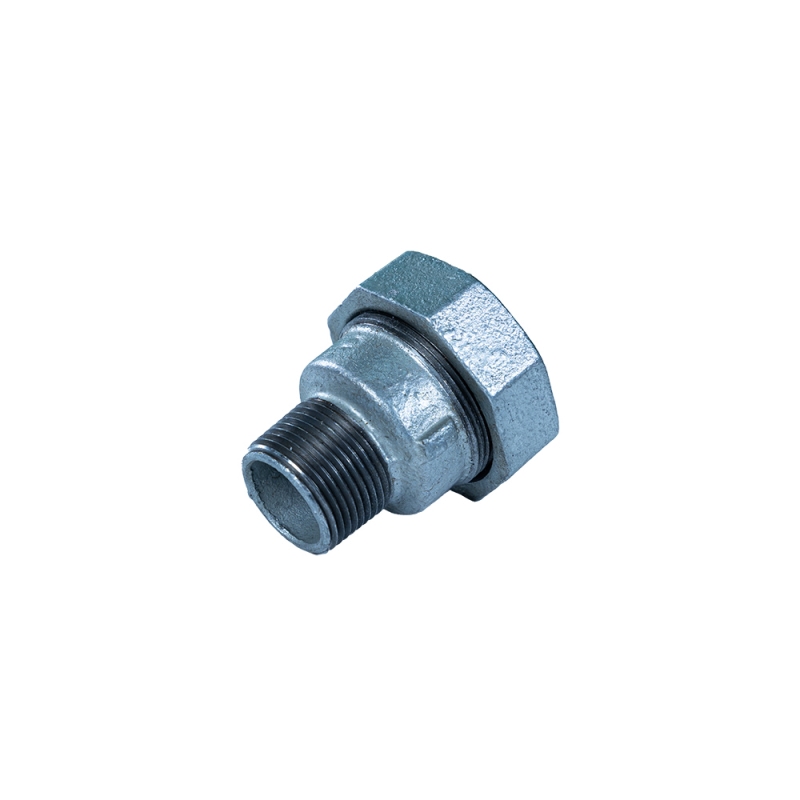
Furthermore, the Korean market is increasingly prioritizing rapid installation and maintenance. This has led to a surge in demand for compression union fitting solutions that allow for secure, tool-efficient connections without the need for extensive welding in confined spaces.

Evolution of Fitting Technology in Korea

From traditional casting to precision-coated industrial components.

Market Development History

In the 1970s and 80s, Korea's rapid industrialization relied on basic cast iron components. During this era, standard crane malleable fittings provided the foundation for the early heating and plumbing systems in developing cities.

By the 1990s, as the petrochemical sector expanded, the focus shifted toward corrosion control. The industry transitioned to coated pipe fittings to withstand the aggressive chemical environments found in the Yeosu and Daesan complexes.

Entering the 21st century, the focus evolved toward "Zero-Leakage" and high-pressure resilience, integrating advanced metallurgy and automated quality control to meet the stringent ISO and KS (Korean Industrial Standards).

Future Development Trends

Smart Coating Integration

The next 3-5 years will see a transition from basic galvanization to nano-ceramic coatings to enhance the lifespan of fittings in maritime environments.

High-Pressure Standardization

Increased reliance on hydrogen energy infrastructure in Korea will push the demand for fittings that exceed traditional Class 300 specifications.

Modular Installation Systems

A shift toward prefabricated piping modules will increase the utilization of precision compression systems to reduce on-site labor costs.

Industry Trends and Future Outlook

Strategic projections for the Korean metal fitting market based on Google search trends and industrial growth.

Anti-Corrosion Priority
Rising search volume for specialized coatings to combat the humid coastal air of Busan and Incheon.
Pressure Rating Upgrades
Shift from Class 150 to Class 300 for steam systems in high-tech semiconductor fabs.
Eco-Friendly Materials
Demand for REACH and RoHS compliant coatings in line with Korea's Green New Deal.
Digital Procurement
Integration of B2B e-commerce for just-in-time delivery of fittings to construction sites.

Industry Outlook

Looking forward, the South Korean market is poised for a synthesis of traditional durability and modern efficiency. We predict a steady increase in the adoption of high-grade malleable iron that can withstand the thermal cycling of advanced energy plants.

The synergy between South Korea's automotive precision and piping infrastructure will likely lead to more standardized, interchangeable fitting systems, reducing downtime during large-scale industrial maintenance cycles.

Localized Application Scenarios in South Korea

Real-world implementations of metal pipe fittings across Korea's key industrial sectors.

01. Ulsan Shipbuilding Yards

Utilization of galvanised malleable iron pipe for auxiliary water systems on commercial vessels to prevent saltwater corrosion.

02. Gyeonggi-do Semiconductor Plants

Deployment of ultra-clean coated pipe fittings to ensure zero particulate contamination in high-purity gas delivery lines.

03. Pohang Steel Mill Infrastructure

Installation of class 300 pipe fittings for high-pressure steam transport in smelting operations where thermal expansion is constant.

04. Incheon Logistics Hubs

Application of compression union fitting for rapid installation of fire suppression systems in massive warehouse complexes.

05. Seoul Urban HVAC Retrofitting

Replacement of aging infrastructure with durable crane malleable fittings to modernize heating systems in high-rise commercial buildings.

Brand Story

Global Development Journey of Langfang Pannext Fittings Co., Ltd.

Foundational Excellence

Established with a mission to solve the critical issue of fitting failure in high-pressure environments, starting with precision casting.

Technological Leap

Implemented advanced galvanization and coating technologies to meet the demands of the global maritime and chemical industries.

Global Certification

Achieved international standards certifications, enabling our products to enter the strict South Korean and European markets.

Market Diversification

Expanded the product line to include specialized compression and high-pressure class 300 series for the energy sector.

Sustainable Future

Investing in eco-friendly manufacturing processes to provide sustainable piping solutions for the next generation of industry.

Comprehensive Piping Portfolio for South Korea

A full range of high-pressure and corrosion-resistant fittings tailored for Korean industrial standards.

Common Questions for the Korean Market

Technical guidance and FAQ for procurement managers and engineers in South Korea.

What are the benefits of using galvanised malleable iron pipe in coastal cities like Busan?

Galvanization provides a sacrificial zinc layer that prevents the underlying iron from rusting in high-salinity environments, significantly extending the lifespan of the piping system.

How does the pressure rating of class 300 pipe fittings compare to standard fittings?

Class 300 fittings are designed for significantly higher working pressures than Class 150, making them essential for industrial steam and high-pressure gas applications.

Are coated pipe fittings suitable for the semiconductor industry in Gyeonggi-do?

Yes, specialized coatings prevent internal contamination and external corrosion, which is vital for the ultra-pure environments required in chip fabrication.

Why choose a compression union fitting for industrial maintenance?

Compression unions allow for easy disconnection and reconnection of pipes without welding, reducing downtime and eliminating the risk of fire during on-site repairs.

Can crane malleable fittings be used in modern HVAC systems in Seoul?

Absolutely. Malleable iron fittings offer a perfect balance of strength and flexibility, making them ideal for the complex routing required in urban building HVAC.

What certifications should I look for in pipe fittings imported to South Korea?

Look for ISO 9001, CE, and compliance with KS (Korean Industrial Standards) to ensure the product meets the safety and quality requirements of the region.

Request a Technical Consultation

Our engineers are ready to provide customized piping solutions for your projects in South Korea.

Contact Us Now

If you are interested in our products, you can choose to leave your information here, and we will be in touch with you shortly.