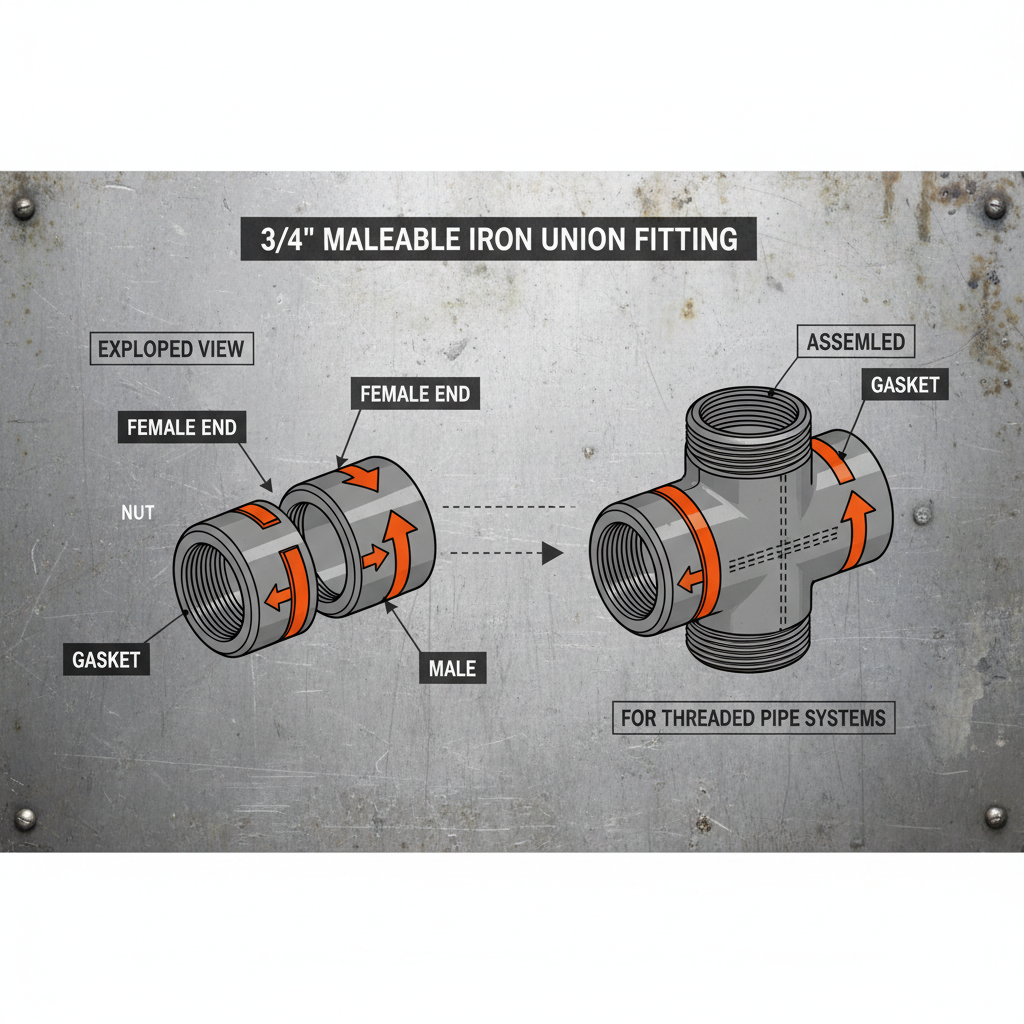
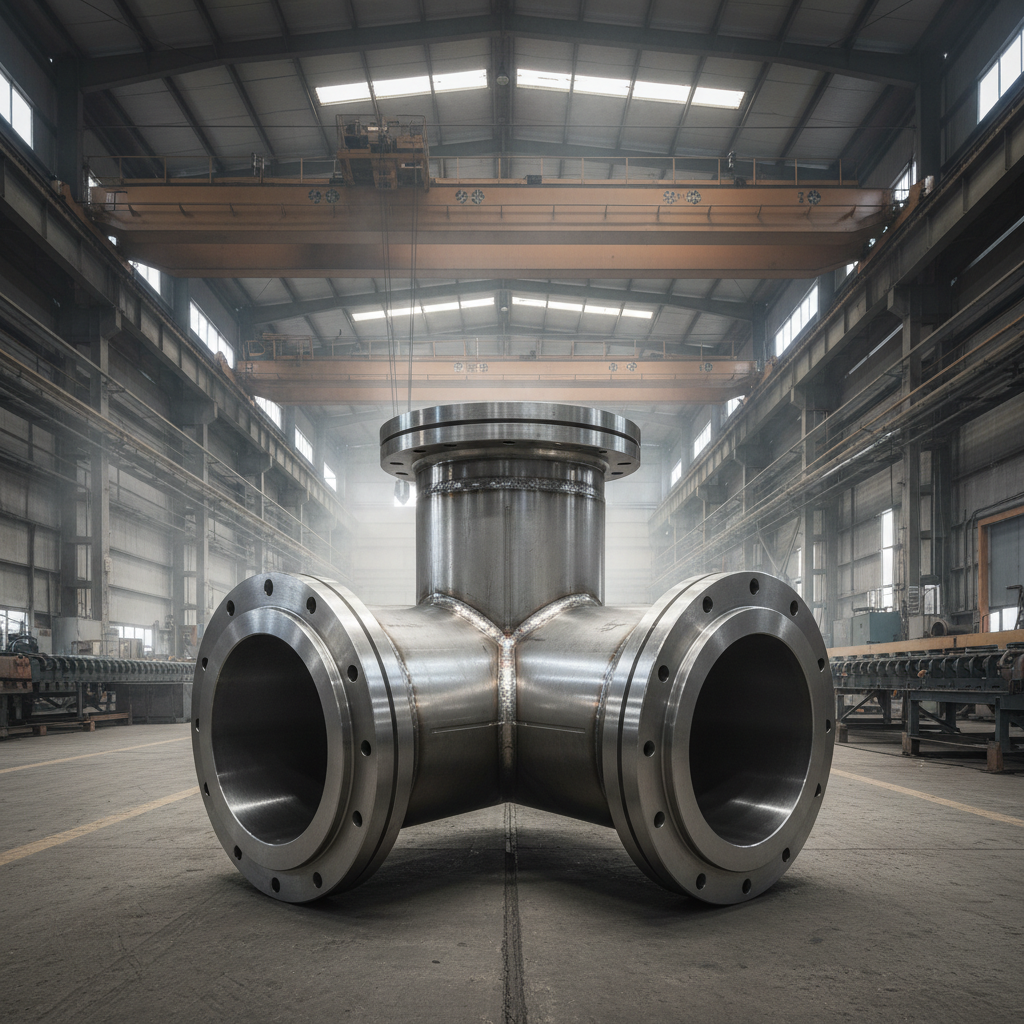
In the complex world of industrial piping, the integrity of a connection often depends on the precision of the black pipe thread. This fundamental engineering element ensures that malleable iron and bronze fittings create a leak-proof seal, essential for transporting gases and liquids across diverse manufacturing environments. Understanding the nuances of these threads is not just about mechanical fit, but about ensuring systemic safety and operational longevity.
Globally, the demand for standardized threading systems has surged as industrial infrastructure expands in emerging markets. The reliability of a black pipe thread allows for interchangeable parts across different regions, facilitating rapid repairs and scalable installations. Without these rigorous standards, the risk of catastrophic failure in high-pressure systems would increase significantly, impacting both economic output and worker safety.
For procurement managers and engineers, choosing the right fitting—whether it be NPT, BSP, or DIN—is critical to the success of any project. By focusing on the quality of the black pipe thread, companies can reduce downtime and maintenance costs. This guide explores the technical specifications and practical applications of these essential components in modern metal pipe manufacturing.
Global Relevance of Black Pipe Thread Standards
The global industrial landscape relies heavily on the standardization of the black pipe thread to maintain consistency across international borders. Following ISO and regional standards like NPT (National Pipe Taper) and BSP (British Standard Pipe), manufacturers ensure that a fitting produced in one continent fits perfectly into a pipe installed in another. This interoperability is the backbone of global supply chains in the metal products industry.
From large-scale chemical plants in Asia to urban plumbing systems in Europe, the precision of these threads prevents leakage and reduces the need for custom-made adapters. By adhering to strict dimensional tolerances, the industry minimizes waste and optimizes the speed of installation, which is critical for maintaining the pace of global urban development and industrialization.
Defining the Mechanics of Black Pipe Thread
A black pipe thread refers to the helical structure cut into the end of a "black" (uncoated or oil-coated) iron or steel pipe. Unlike galvanized pipes, black pipe is often used for gas lines or structural applications where corrosion from water is not the primary concern. The thread allows two components to be screwed together, creating a mechanical bond that can be further sealed with tapes or compounds.
In modern industry, these threads are more than just grooves; they are engineered interfaces. The taper of the thread—found in NPT standards—allows the fitting to wedge tighter as it is turned, increasing the sealing pressure. This mechanical property is essential for maintaining the integrity of systems carrying high-pressure air or volatile gases.
From a humanitarian and infrastructural perspective, the simplicity of the black pipe thread means that essential services can be restored quickly in disaster-hit areas. Because these tools and fittings are standardized and widely available, technicians can deploy piping systems without needing specialized welding equipment on-site.
Core Components of Threaded Connection Quality
The durability of a connection starts with the material quality of the fitting. Malleable iron is frequently chosen for its ability to withstand impact without cracking, making it the ideal substrate for a high-performance black pipe thread. This resilience ensures that the threads do not strip during over-tightening in the field.
Precision in thread pitch and angle is the second core component. Even a deviation of a fraction of a millimeter in a black pipe thread can lead to "cross-threading," which compromises the seal and necessitates the replacement of the entire fitting. Quality control processes, including go/no-go gauges, are utilized to maintain these strict standards.
Finally, the interaction between the thread and the sealant determines the long-term leak resistance. Whether using PTFE tape or industrial pipe dope, the black pipe thread must provide a consistent surface for the sealant to fill the microscopic voids between the male and female components.
Industrial Applications and Scalability
The versatility of the black pipe thread makes it a staple in diverse sectors. In oil and gas refineries, these threads are used in low-pressure distribution lines, while in the construction industry, they are the standard for gas heating systems. The ability to scale a system from a 1/8" small-bore line to a 8" heavy-duty pipe using consistent threading logic allows engineers to design modular systems.
For instance, in remote industrial zones where specialized labor is scarce, the ease of assembling black pipe thread components reduces the reliance on certified welders, accelerating the deployment of critical infrastructure like water transport or heating grids in underdeveloped regions.
Performance Metrics of Different Black Pipe Thread Standards
Long-Term Value and Reliability Benefits
Investing in high-quality black pipe thread components offers immense long-term value by reducing the frequency of system failures. When a connection is engineered to precise standards, it resists vibration and thermal expansion, which are common causes of leaks in industrial plants. This reliability translates directly into lower insurance premiums and reduced risk of environmental contamination.
Beyond the logical cost savings, there is an emotional peace of mind that comes with using certified fittings. Safety managers can trust that their systems will not fail under pressure, ensuring the dignity and safety of the workforce. Innovation in threading allows for faster installation without sacrificing the strength of the joint, bridging the gap between speed and security.
Future Trends in Pipe Threading Innovation
The future of the black pipe thread is being shaped by digital transformation. Computer Numerical Control (CNC) machining has already pushed thread precision to micron levels, but the integration of AI-driven quality inspection is the next frontier. Automated optical inspection systems can now detect microscopic flaws in a thread profile before the fitting ever leaves the factory.
Sustainability is also playing a role. New coating technologies are being developed to provide the corrosion resistance of galvanized pipe while maintaining the cost-effectiveness of the standard black pipe thread. These "green" coatings reduce the environmental impact of the manufacturing process without compromising the mechanical bond of the thread.
Furthermore, the shift toward modular and prefabricated piping units means that threads are being optimized for "rapid-click" and "fast-torque" applications. This ensures that even as systems become more complex, the fundamental reliability of the threaded connection remains the gold standard for the industry.
Technical Analysis of Black Pipe Thread Specifications
When analyzing the technical data of threaded caps and fittings, the relationship between size and weight is paramount. A black pipe thread on a 1/8" cap is vastly different in application than one on a 8" industrial cap. As the size increases, the thread depth and the torque required for a seal increase proportionally, necessitating more robust material compositions.
The following data illustrates the physical parameters of various sizes. For instance, the jump from a 1" cap to a 2" cap involves a significant increase in weight (from 139.4g to 373g), which reflects the increased wall thickness needed to support the larger black pipe thread and the higher pressures typically associated with larger pipe diameters.
Maintaining these specifications ensures that regardless of the scale—from small residential gas lines to massive industrial conduits—the fitting performs exactly as predicted by the engineering blueprints.
Dimensional Analysis of Malleable Iron Threaded Caps
| Nominal Size (Inch) |
Outer Dimension (mm) |
Unit Weight (Gram) |
Thread Stability Score |
| 1/2" |
22.1 |
52 |
9.2 |
| 3/4" |
24.6 |
78.8 |
9.0 |
| 1" |
29.5 |
139.4 |
9.5 |
| 2" |
36.8 |
373 |
8.8 |
| 4" |
52.8 |
1726 |
8.5 |
| 8" |
81.3 |
12137 |
8.2 |
FAQS
A black pipe thread is found on steel pipes that are not galvanized; they are typically coated in a thin layer of oil to prevent rust during storage. Galvanized threads have a zinc coating to prevent corrosion, making them better for water lines. However, for gas and oil applications, the black pipe thread is the standard choice due to cost and material properties.
We supply a wide range of international standards to ensure global compatibility, including NPT (National Pipe Taper), BSP (British Standard Pipe), and DIN (German Institute for Standardization). Choosing the correct standard for your black pipe thread is essential to avoid leakage and ensure a proper mechanical fit.
The best way to prevent leaks is to ensure the black pipe thread is clean and free of debris before assembly. Use a high-quality thread sealant such as PTFE tape or a professional pipe joint compound. Avoid over-tightening, which can distort the threads, and always use a go/no-go gauge to verify the thread quality of your fittings.
Yes, malleable iron is designed for strength and durability. When paired with a precise black pipe thread, these fittings are highly effective for many industrial high-pressure applications. However, always check the specific pressure rating (e.g., Class 300) of the fitting to ensure it meets the safety requirements of your specific system.
Mixing NPT and BSP threads is a common mistake that leads to catastrophic leaks. While they may look similar, their pitch and angles differ. Forcing a BSP fitting into an NPT black pipe thread will likely damage the threads and create a connection that cannot be safely sealed, necessitating a replacement of the components.
You should choose the cap based on the nominal pipe size (NPS). For example, if you have a 1-inch pipe, you need a CAP10 fitting. Check the dimensions provided in our technical charts to ensure the outer diameter and thread specifications align with your piping system to maintain a secure black pipe thread seal.
Conclusion
The black pipe thread remains an indispensable element of industrial engineering, providing the necessary bridge between strength and precision. From the selection of malleable iron materials to the adherence to NPT, BSP, and DIN standards, every detail contributes to the overall safety and efficiency of a piping system. By understanding the technical specifications and the importance of quality control, operators can ensure their infrastructure is built to last.
Looking forward, the integration of smarter manufacturing and sustainable coatings will only enhance the reliability of threaded connections. For companies seeking to optimize their operations, prioritizing high-quality fittings is a strategic investment in long-term stability. To ensure your systems are equipped with the best components, visit our website: www.pannextfittings.com.