
Understanding 2 Inch Pipe Fittings: The Small But Mighty Connector
If you’re working with plumbing, construction, or industrial piping systems, chances are you’ve come across 2 inch pipe fittings. They may seem like unassuming pieces — simple connectors to join pipe sections — but these components quietly hold vast infrastructure together worldwide. Frankly, understanding what 2 inch pipe fittings are, why they matter, and their benefits can help engineers, contractors, and even humanitarian planners make smarter choices. From water supply lines to emergency relief operations, these fittings ensure flow, stability, and safety.
Why 2 Inch Pipe Fittings Matter Globally
Did you know the global plumbing fittings market is worth billions, with 2 inch fittings occupying a notable slice? According to ISO standards, fittings must meet rigorous specs for pressure, durability, and corrosion resistance. More than that, bodies like the UN and World Bank highlight water infrastructure development as a key factor in achieving global sustainability goals.
Many regions — particularly rapidly urbanizing areas in Asia and Africa — depend heavily on standardized pipe fittings to ensure access to clean water, sanitation, and industrial processes. Yet, challenges like corrosion, improper sizing, or lack of modularity can delay projects and waste resources. That’s where well-made 2 inch pipe fittings come in: designed to fit perfectly, reduce leaks, and withstand pressure.
Mini Takeaway: These small parts have a surprisingly big role in global infrastructure resilience and development.
What Exactly Are 2 Inch Pipe Fittings?
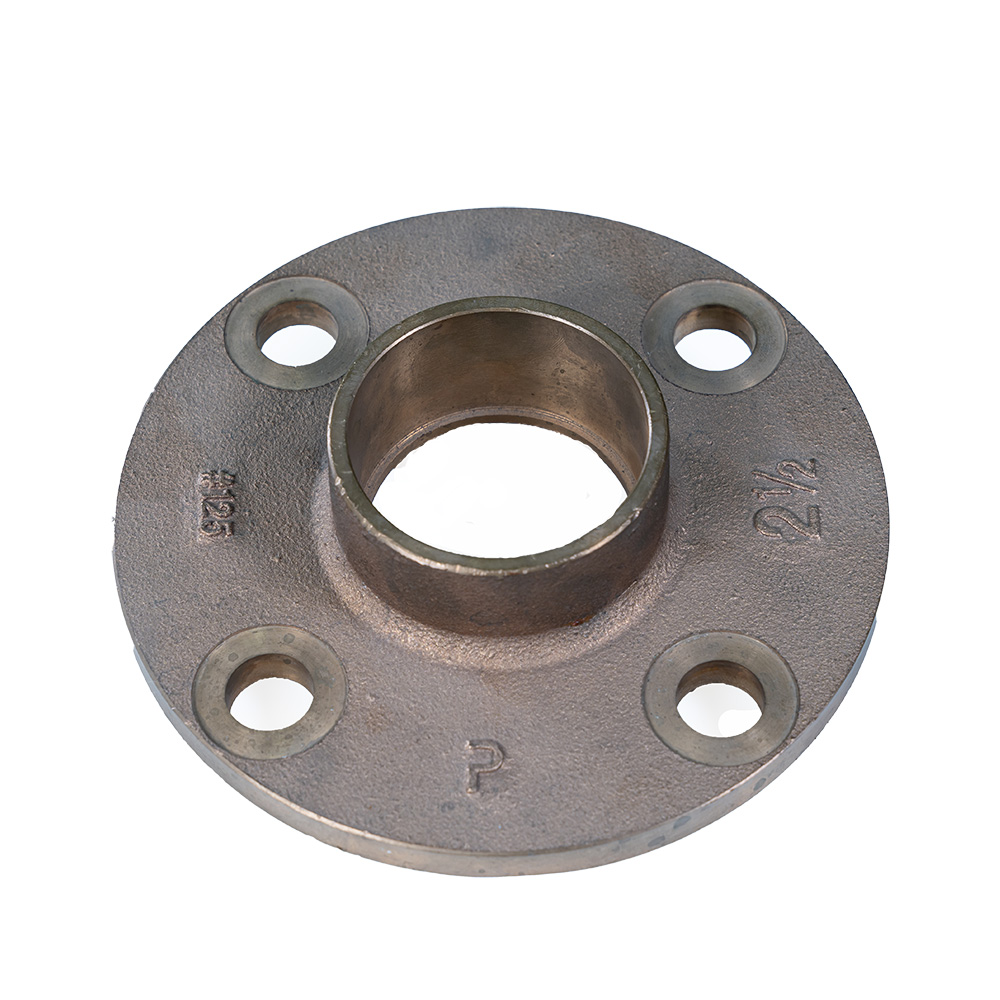
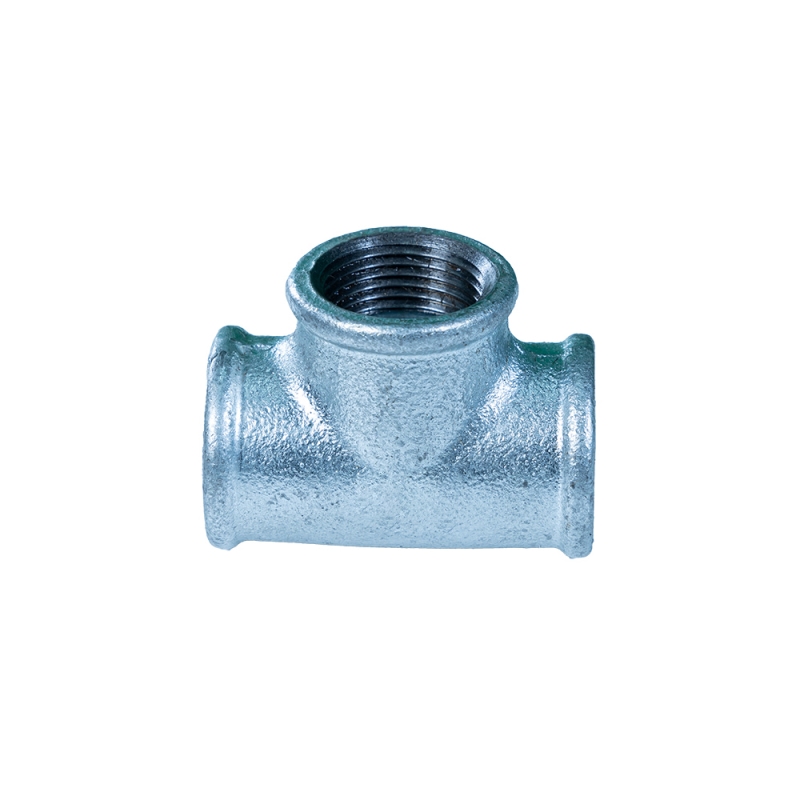
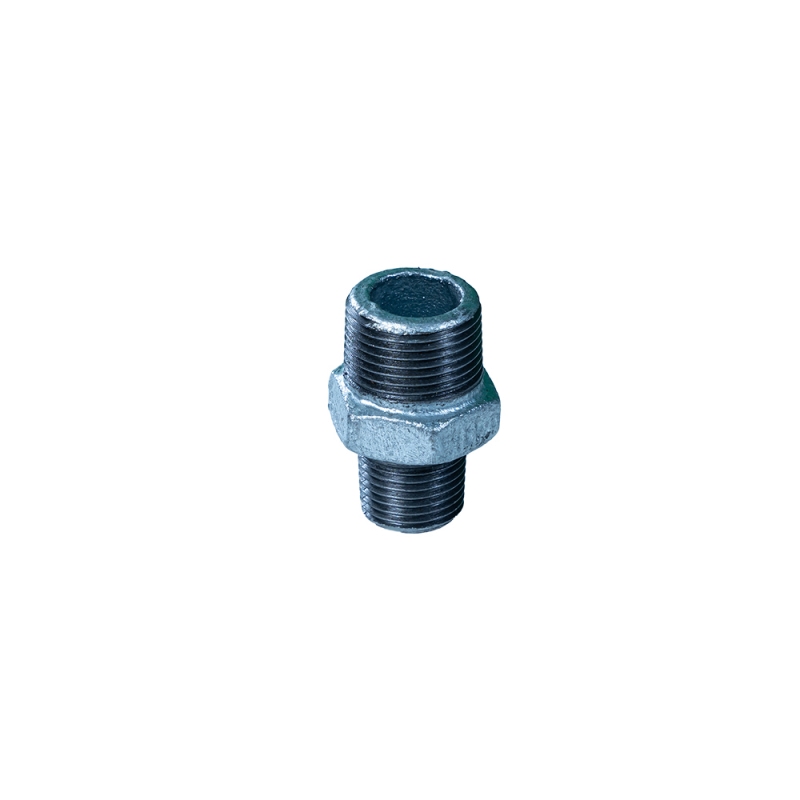
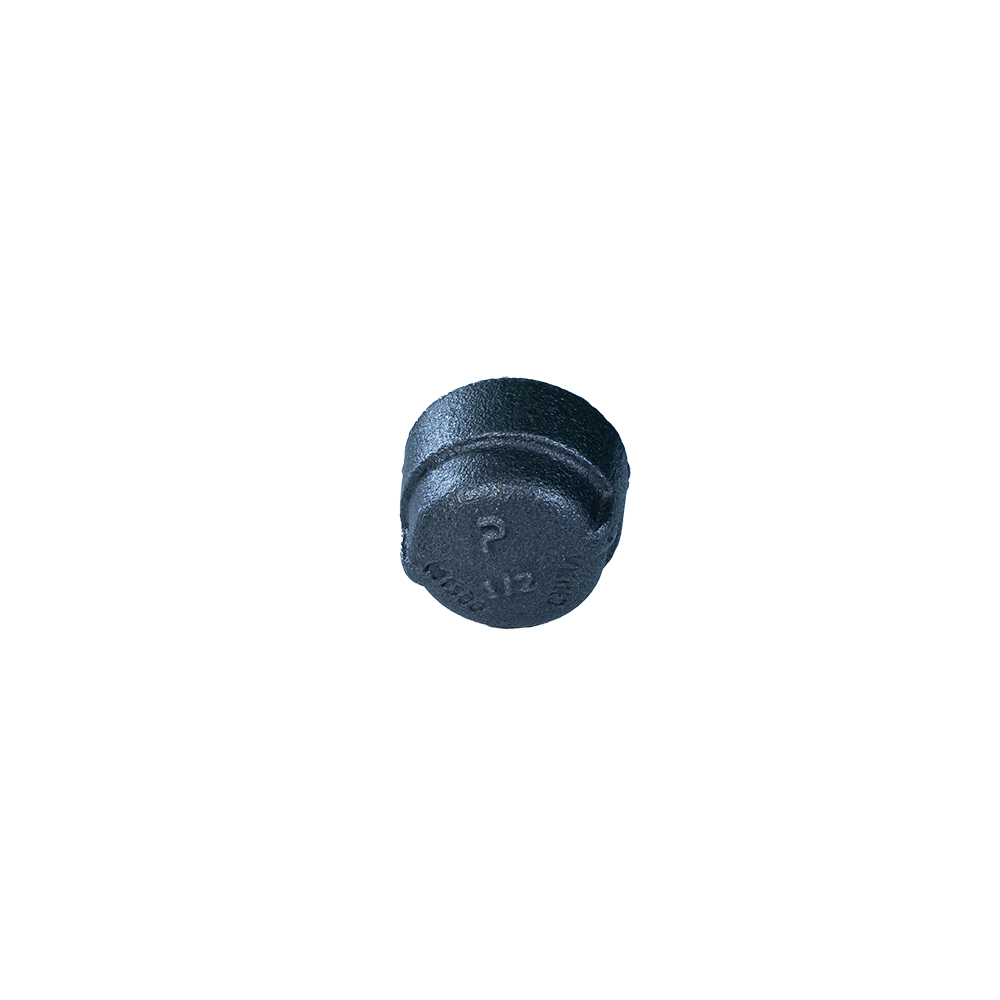
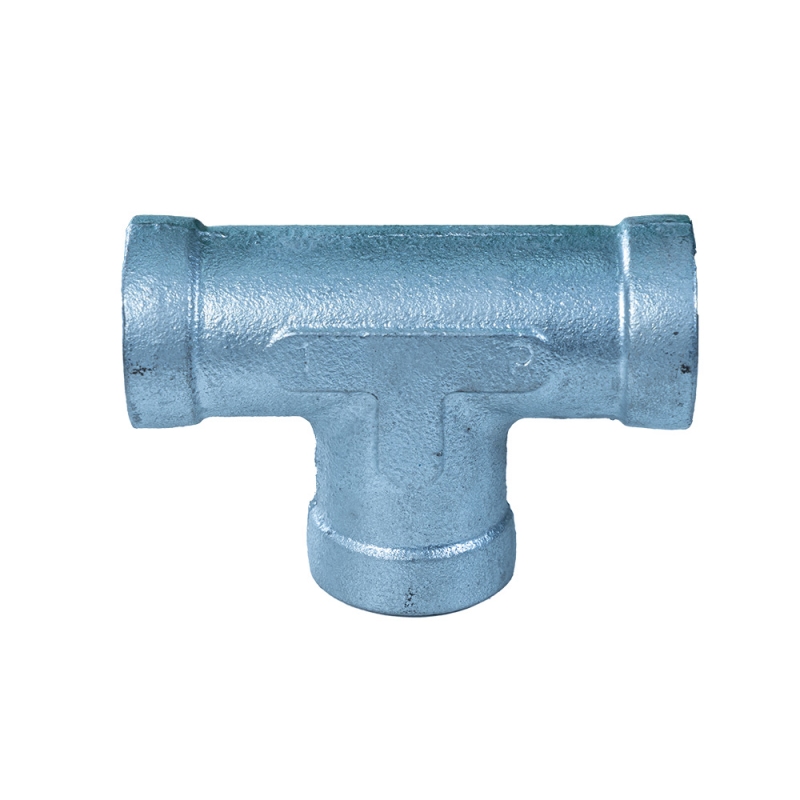
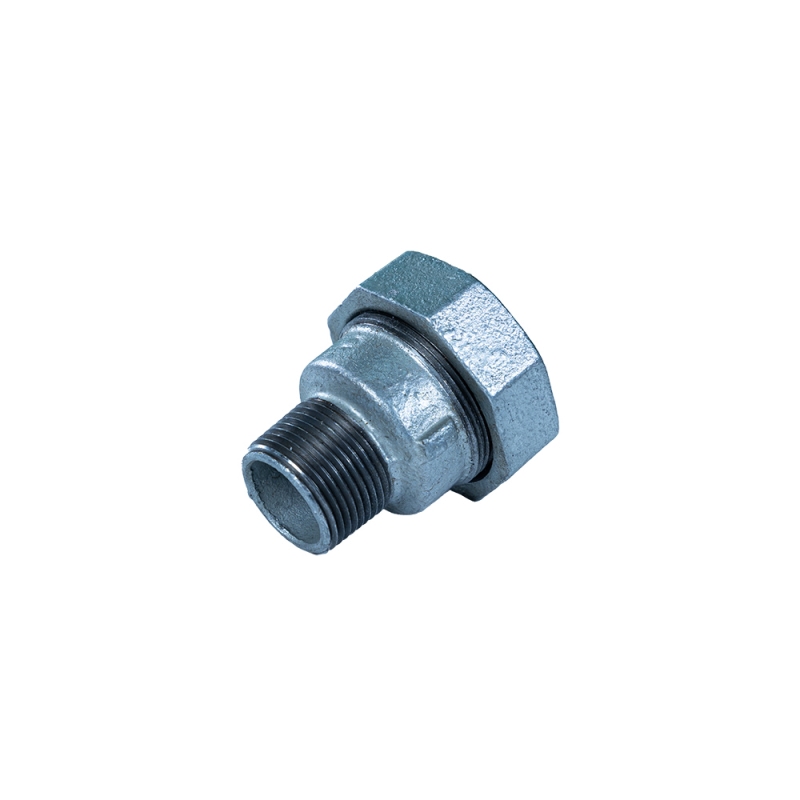
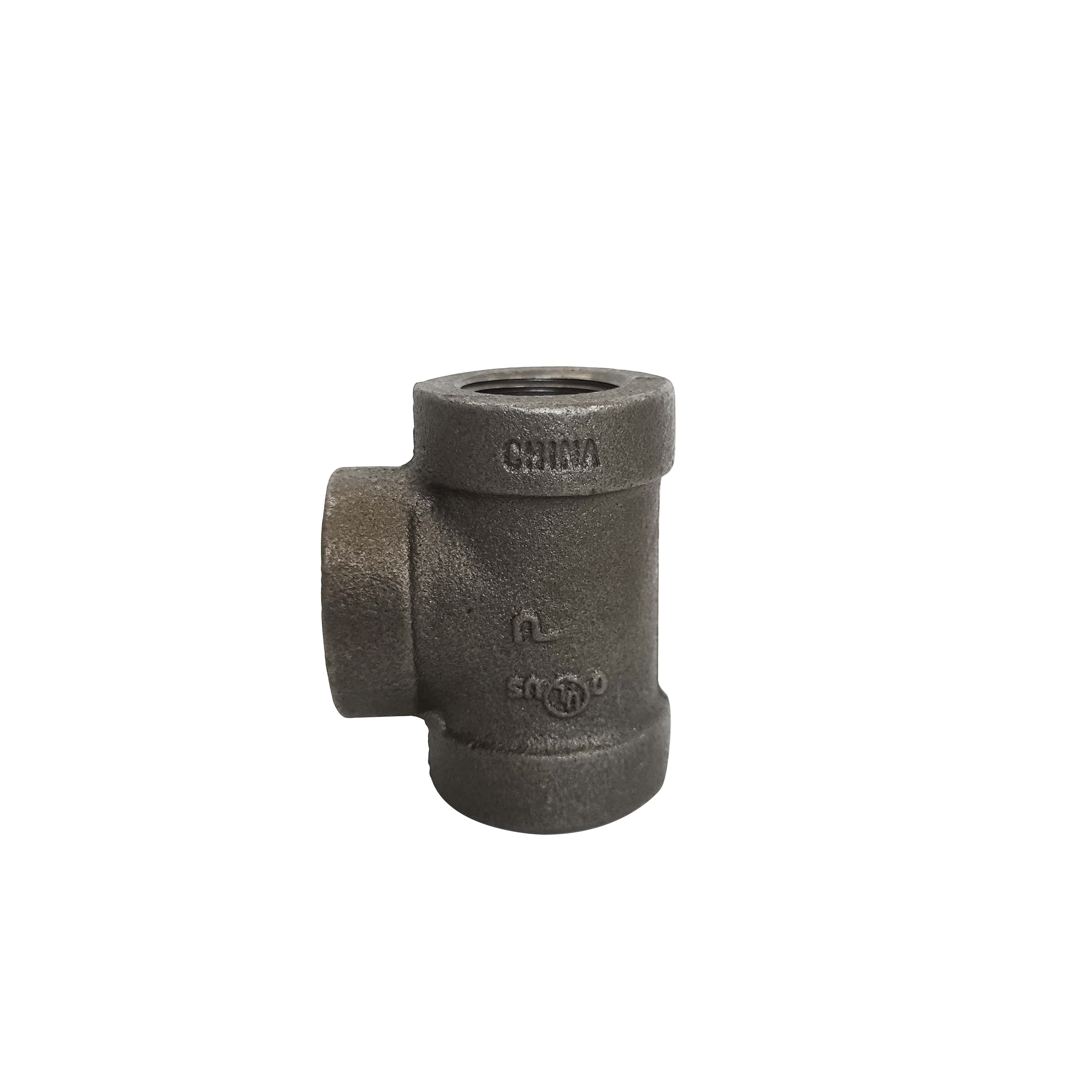
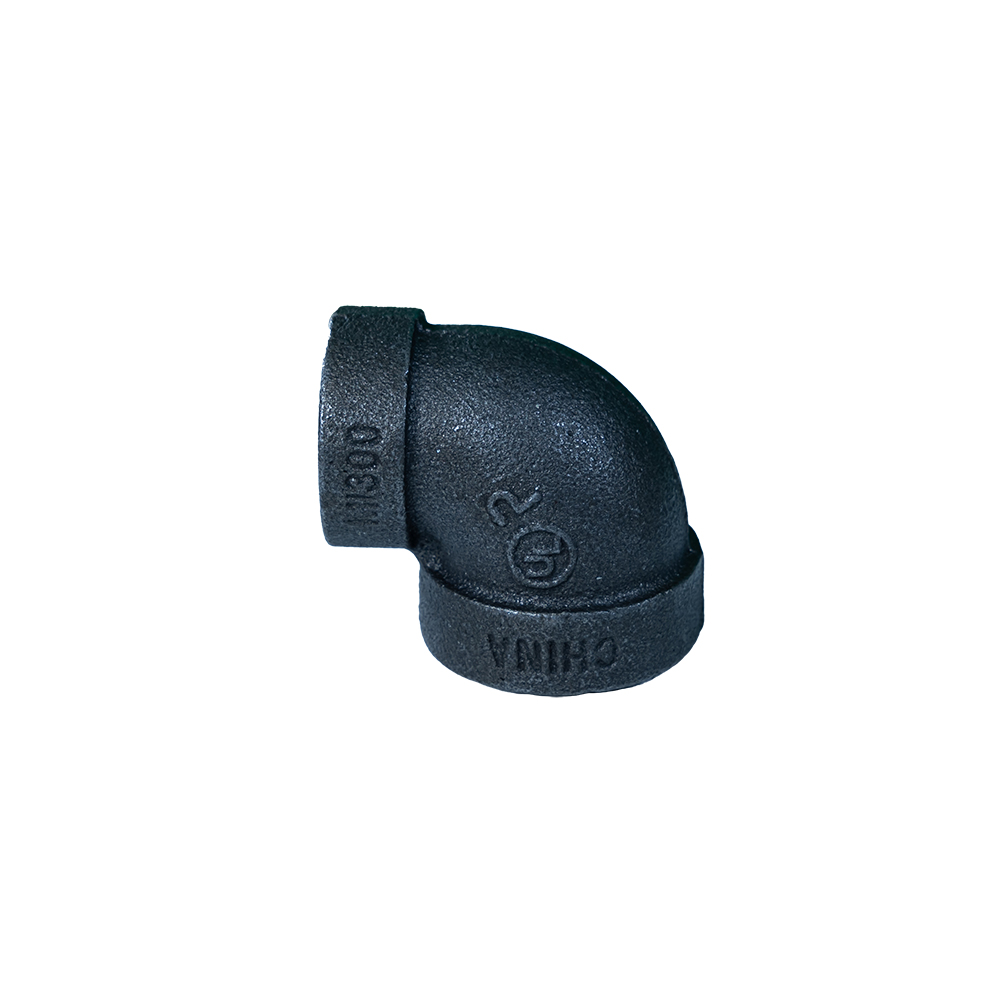
At its core, a 2 inch pipe fitting is a component that connects or terminates sections of pipe — specifically with a nominal pipe diameter of two inches. These can take many forms: elbows to change direction, tees to split flow, couplings to join straight lengths, and flanges for bolted connections.
They’re used everywhere: in residential plumbing, industrial plants, oil and gas installations, even in emergency water kits. The “2 inch” term mostly defines the nominal diameter, which roughly corresponds to the inside diameter of attached pipes, although actual dimensions vary by standard and pipe type.
Beyond the technical, they represent a vital link in clean water accessibility, waste management, and safe industrial fluid handling — which touches on global public health and sustainability.
Key Factors Defining Quality 2 Inch Pipe Fittings
1. Durability
This is non-negotiable. These fittings often face high pressures, temperature swings, and chemical exposure. Common materials include stainless steel for corrosion resistance, PVC for lightweight ease, and cast iron for longevity.
2. Scalability & Compatibility
The fitting must work flawlessly with existing pipe types and be available in a range of shapes and threads or weld ends. This means the standardization and dimensional accuracy are critical.
3. Cost Efficiency
While quality is key, budgets are real. A fitting that’s cheap but fails early can cost far more in downtime or repairs. The balance is key.
4. Ease of Installation
Quick and straightforward assembly reduces labor costs and human error. Some fittings now use quick-connect systems that are revolutionizing site work.
5. Pressure & Flow Efficiency
The internal design must minimize turbulence and pressure loss, especially in industrial systems. Every bit of flow efficiency counts.
6. Compliance & Safety
Meeting industry safety standards (API, ANSI, ISO) is essential, especially when transporting hazardous fluids.
Mini Takeaway: It’s a balancing act of strength, cost, ease, and safety — each factor influencing practical success.
Global Applications & Real-World Use Cases
In industrialized countries, 2 inch pipe fittings find use in process plants, water treatment, and HVAC systems. But oddly enough, the most fascinating applications are often in developing regions or emergency contexts.
- Post-Disaster Relief: Quick-assembly water distribution networks use modular 2 inch fittings to restore clean water in crisis zones.
- Remote Industrial Operations: Mining or oil sites use durable fittings in harsh environments where maintenance access is limited.
- Agricultural Irrigation: Precision fittings help farmers distribute water efficiently over large areas.
- Municipal Supply: City water mains often use cast iron or ductile iron 2 inch fittings in branch lines or meter connections.
For example, in East Africa, NGO projects rely on standard-size fittings for rapid deployment of sanitation infrastructure, combining local materials with imported connectors. Having accessible, compatible 2 inch pipe fittings on hand can literally save lives.
2 Inch Pipe Fittings: Advantages and Long-Term Value
The clear winners here are reliability and versatility. Because these fittings are standardized, you can source replacements globally, reducing dependence on proprietary parts.
They also directly contribute to sustainability — leak-free connections conserve precious water. When efficiency improves, operational costs drop, which boosts economic resilience. And of course, proper infrastructure supports social well-being, ensuring clean water, proper sanitation, or safe chemical transport. The feeling of safety those connections offer is sometimes overlooked but invaluable.
Looking Ahead: Future Trends in 2 Inch Pipe Fittings
The future is thrilling — materials like advanced composites and smart metals are making fittings lighter, tougher, and more resistant to corrosion. Automation is creeping in with digital monitoring systems embedded in piping networks to detect leaks early.
Green building standards increasingly demand eco-friendly materials and manufacturing processes as well. Companies now offer recyclable and low-carbon-footprint fittings to align with international climate goals.
Common Challenges & How Experts Overcome Them
Despite progress, challenges remain. Corrosion and wear still limit lifespan in aggressive environments. Sometimes, mismatched fittings or substandard parts cause leaks.
The solution? Better material science, strict quality control, and adoption of new standards. Engineers also emphasize training installation crews in proper techniques, which often makes a bigger difference than you’d expect.
2 Inch Pipe Fittings Product Specifications
| Specification | Typical Value |
|---|---|
| Nominal Diameter | 2 inches / 50.8 mm |
| Material | Stainless Steel, PVC, Ductile Iron |
| Pressure Rating | Up to 300 PSI (varies by material) |
| Temperature Range | -20°C to 150°C (material dependent) |
| Connection Type | Threaded, Welded, Flanged, Quick-Connect |
| Standards | ISO 49, ANSI B16.11, API 5CT |
Vendor Comparison: Choosing Your 2 Inch Pipe Fittings Supplier
| Vendor | Material Options | Lead Time | Certifications | Customer Support |
|---|---|---|---|---|
| Pannext Fittings | Stainless Steel, PVC, Ductile Iron | 2-4 weeks | ISO 49, ANSI Certified | 24/7 Technical Support |
| GlobalPipe Co. | Carbon Steel, PVC | 3-5 weeks | ANSI, API API 5CT | Regular Business Hours |
| Fittings Plus | Ductile Iron, Stainless Steel | 1-3 weeks | ISO, CE Marking | Business Hours + Email |
Frequently Asked Questions About 2 Inch Pipe Fittings
- Q: What materials are best for 2 inch pipe fittings in corrosive environments?
- Stainless steel and ductile iron with protective coatings are the go-to materials. They resist rust and degrade less over time, which is crucial for chemical plants or coastal areas.
- Q: How can I ensure compatibility when replacing 2 inch pipe fittings?
- Always check the pipe schedule (thickness), connection type (threaded, welded), and relevant standards like ANSI or ISO. Using fittings from the same manufacturer helps, but adhering to standards is key.
- Q: Are quick-connect 2 inch pipe fittings reliable for industrial use?
- They are increasingly popular for their ease and speed, especially in temporary setups. However, for permanent high-pressure systems, traditional welded or threaded connections remain the safest bet.
- Q: Can I import 2 inch pipe fittings easily for construction projects overseas?
- Yes, provided the fittings meet the destination country’s certification requirements. Vendors like Pannext Fittings offer international shipping and compliance documentation to smooth this process.
- Q: How long do well-maintained 2 inch pipe fittings typically last?
- Depending on material and environment, they can last anywhere from 20 to 50 years. Proper installation and maintenance dramatically extend lifespan.
Conclusion: Why Invest in Quality 2 Inch Pipe Fittings?
To wrap it up, 2 inch pipe fittings are small heroes behind the scenes of countless systems holding societies together. Their quality affects everything from safe drinking water delivery to complex industrial processes. Investing in durable, well-designed fittings today means fewer leaks, lower costs, higher safety, and more resilience — both locally and on a global scale.
So next time you plan piping infrastructure, consider your 2 inch pipe fittings carefully. They really do make the difference. And if you’re looking for reliable options, don’t forget to visit Pannext Fittings for a comprehensive range tailored for your needs.
Stay curious, stay connected — and may your pipes always flow smoothly.
References
Post time: Dec-01-2025