
Hexagon Bushing Full Sizes: What Buyers Really Need to Know
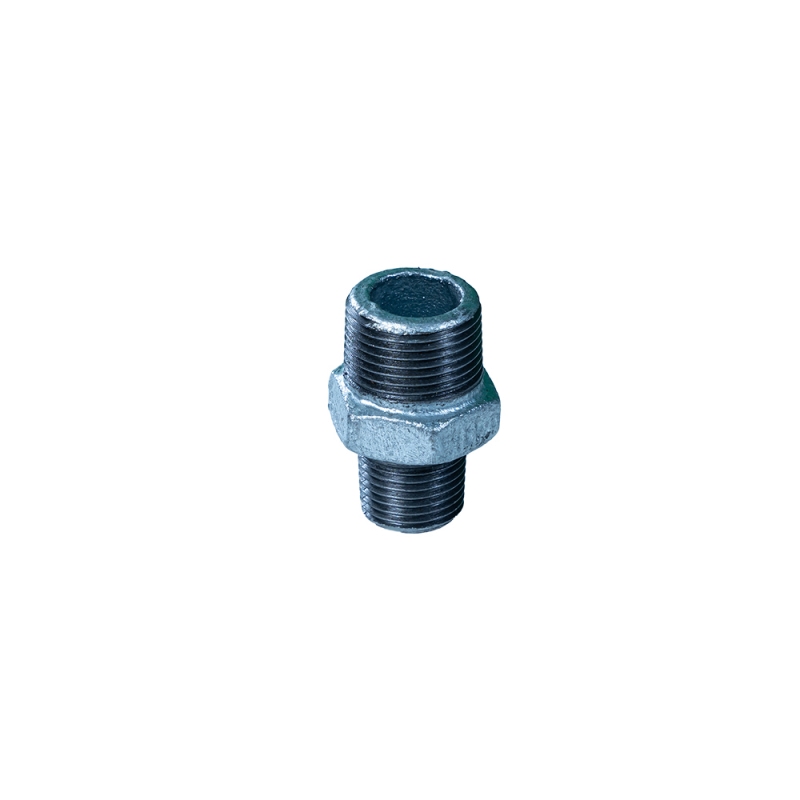
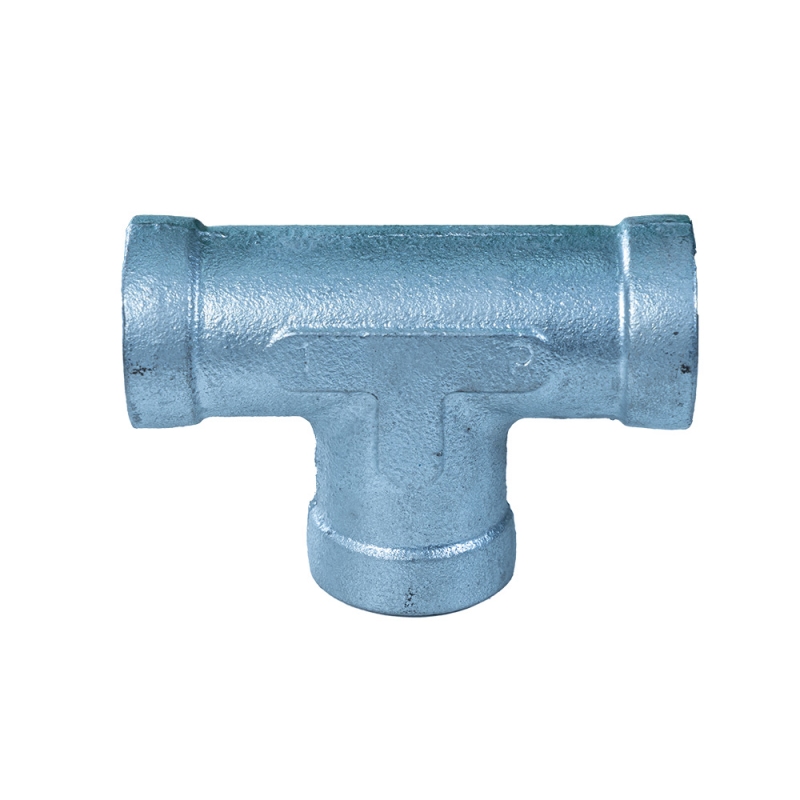
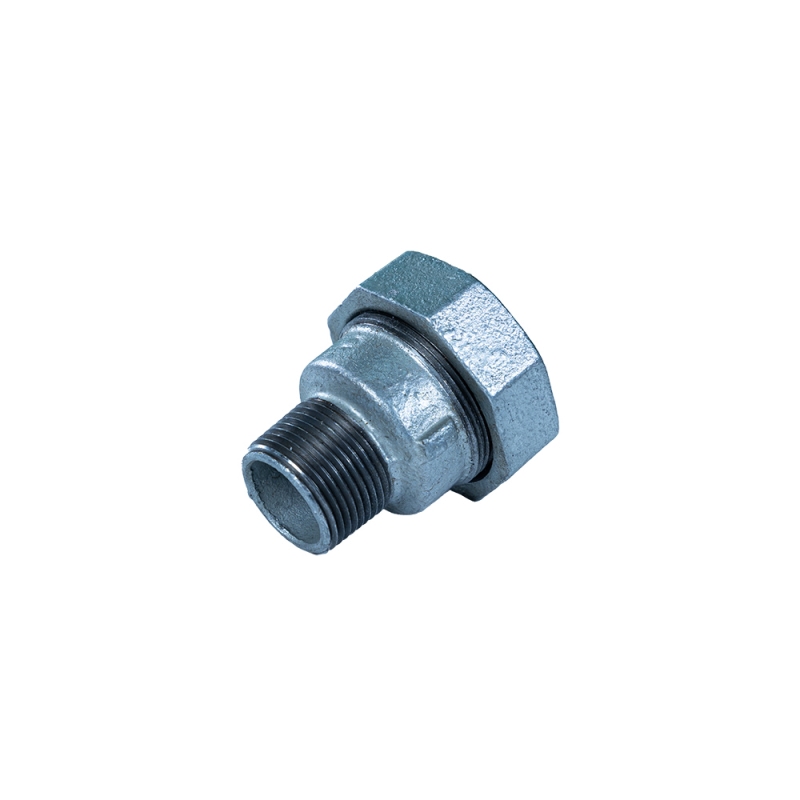
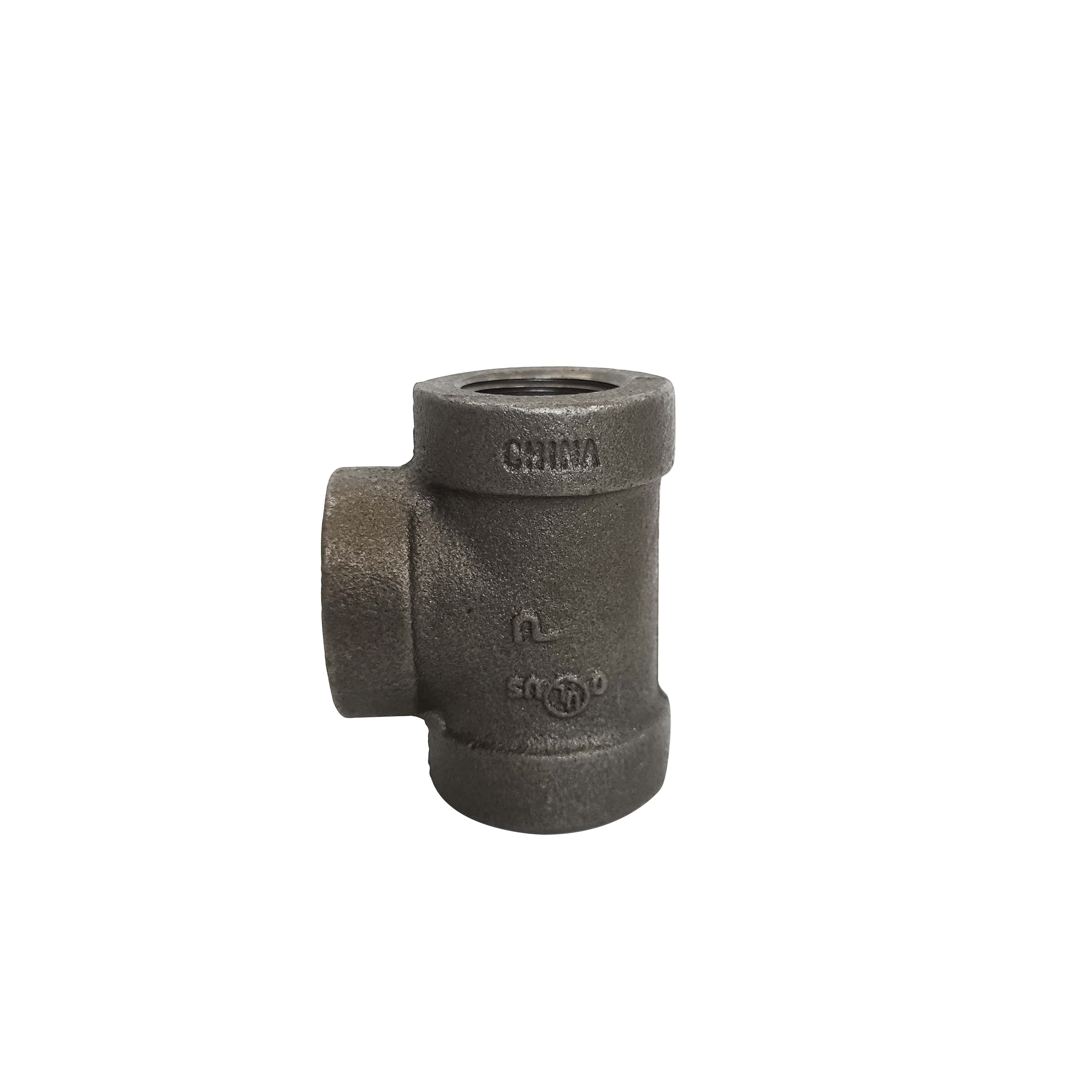
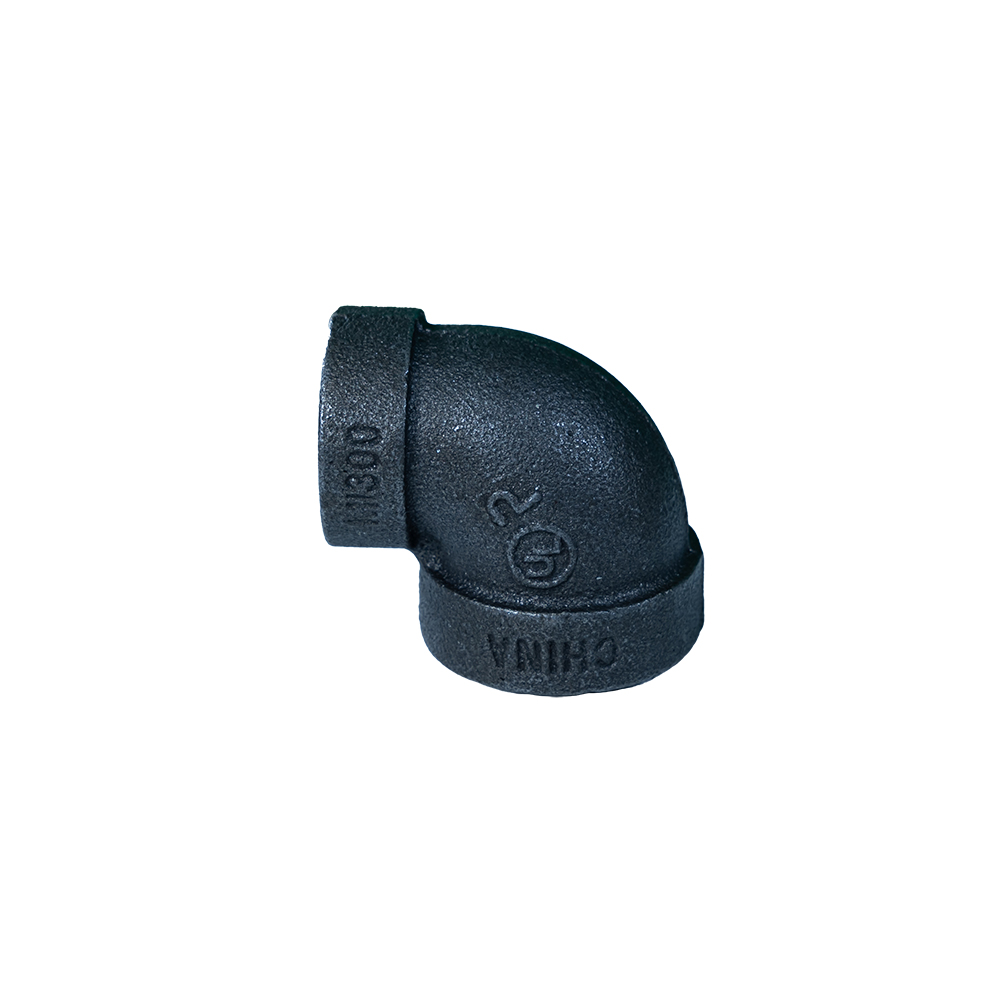
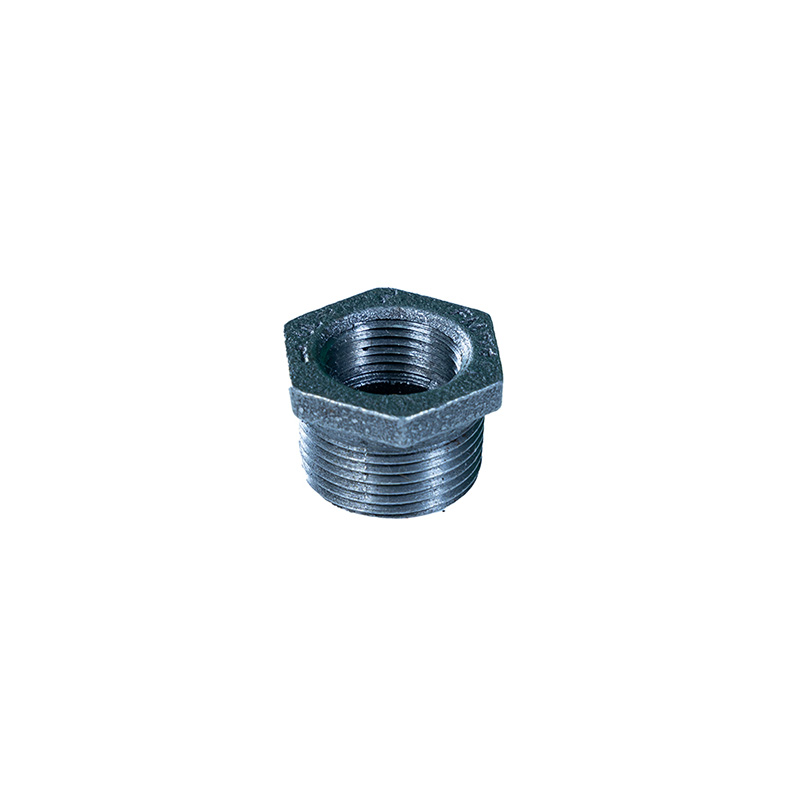
If you’re speccing fittings for mixed-size pipe runs, a hexagon reducing bush is the tiny part that saves big headaches. It’s a straightforward cast-iron insert—male thread outside, female thread inside—bridging two different diameters with a wrench-friendly hex. Simple, but not trivial.
Industry snapshot
Demand for reliable reducers in HVAC, water treatment, light industrial gas, and OEM skids is steady. Actually, the trend I keep hearing from buyers is about documentation: thread conformity and coating data win tenders more than ever. Also, sustainability nudges the spec toward longer-life coatings rather than quick-fade paint.
Technical specifications (typical)
| Material | Cast (gray) iron, ASTM A48 Class 25–30 or ISO 185 ≈ EN-GJL-200/250 |
| Thread options | BSPT ISO 7-1 or NPT ASME B1.20.1 (male/female as specified) |
| Size range | From 1/8" × 1/4" up to about 4" × 3" (full list on request) |
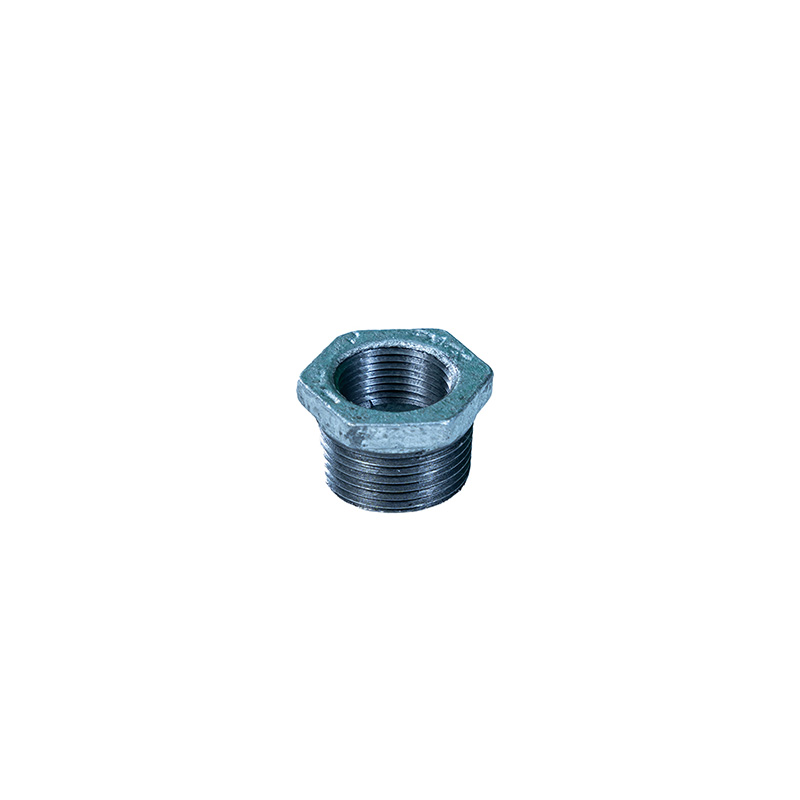
| Surface | Black oil; Zinc plating ASTM B633; or HDG ISO 1461 (project-dependent) |
| Working pressure | ≈ PN16 (1.6 MPa) for water/air; real-world use may vary with thread type and media |
| Temperature | -20 °C to 200 °C (coating limits apply) |
Process flow and QC, briefly
- Materials: Gray iron melt control (chemical composition kept within ASTM A48/ISO 185 bands).
- Methods: Green sand casting → shot blasting → CNC turning → thread cutting/gauging → surface finish.
- Testing: Thread gauges to ISO 7-1 / ASME B1.20.1; hydrostatic sampling at ≈ 1.5× rated pressure; coating thickness checks for HDG/Zn.
- Service life: Often 10–20 years in water/air systems; corrosives will shorten it—no miracle cures here.
- Industries: Plumbing, HVAC, fire water loops (as allowed), packaged equipment skids, agri-irrigation, and OEM maintenance kits.
Why the hex matters
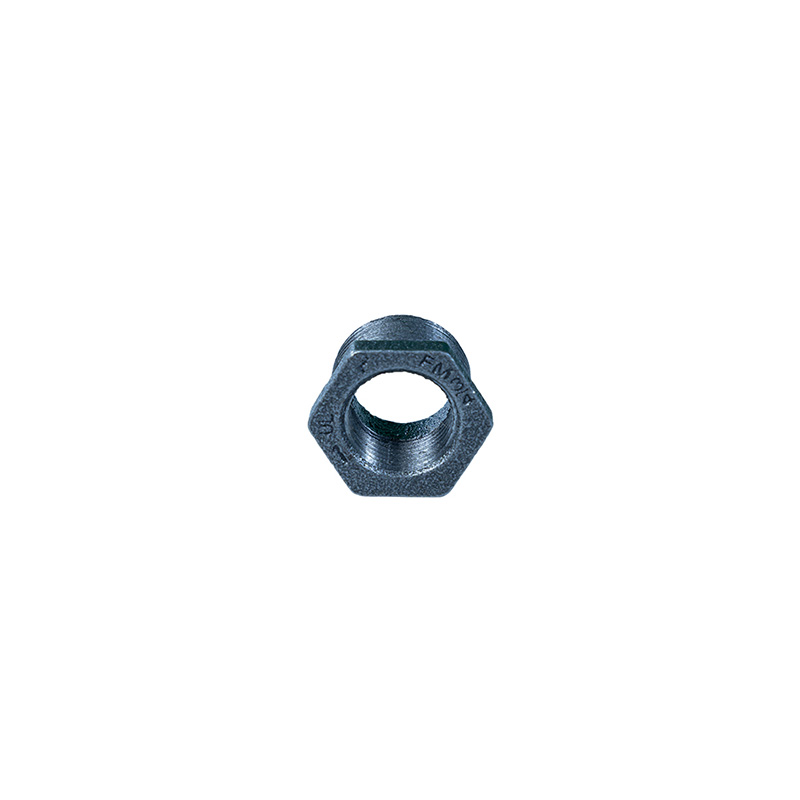
The hex gives consistent torque transfer and faster install, especially in tight racks. Many customers say the hexagon reducing bush is the last thing they think about—until a flat face saves a knuckle and a minute per joint. Not nothing.
Vendor comparison (field-notes style)
| Vendor | Thread Cert | MOQ | Lead Time | QC Docs | Price |
|---|---|---|---|---|---|
| Pannext (Langfang, Hebei) | ISO 7-1 / ASME B1.20.1 stated | Around 1,000 pcs | 3–5 weeks | Dim/pressure/coating reports | Mid |
| Local trader | “Compliant” (no numbers) | Small | Stock-dependent | Basic | High |
| No-name import | Unclear | Large | 6–8 weeks | None | Low |
Customization and documentation
Options include logo cast or laser-mark, NPT or BSPT, special reducers (say 1-1/4" × 3/4"), and packaging that actually survives export. The factory address—236 West Guangming Road, Langfang, Hebei, China—matters for audit trails, and yes, they can attach coating certs and thread-gauge snapshots. To be honest, that paper trail often decides the PO.
Field data and feedback
- Torque to seal (NPT 1"): ≈ 80–110 N·m with PTFE; hand + 1–2 wrench turns, depending on media.
- Hydro test samples: 2.4 MPa for 1 min, no visible leaks (shop test, witnessable).
- Coating: HDG thickness ≈ 55–85 μm; Zn-plated ≈ 8–12 μm (ASTM B633 Type III).
- Installer notes: “Threads feel clean, no gritty bite,” “Hex grabs well even in cramped chases.”
Quick case study
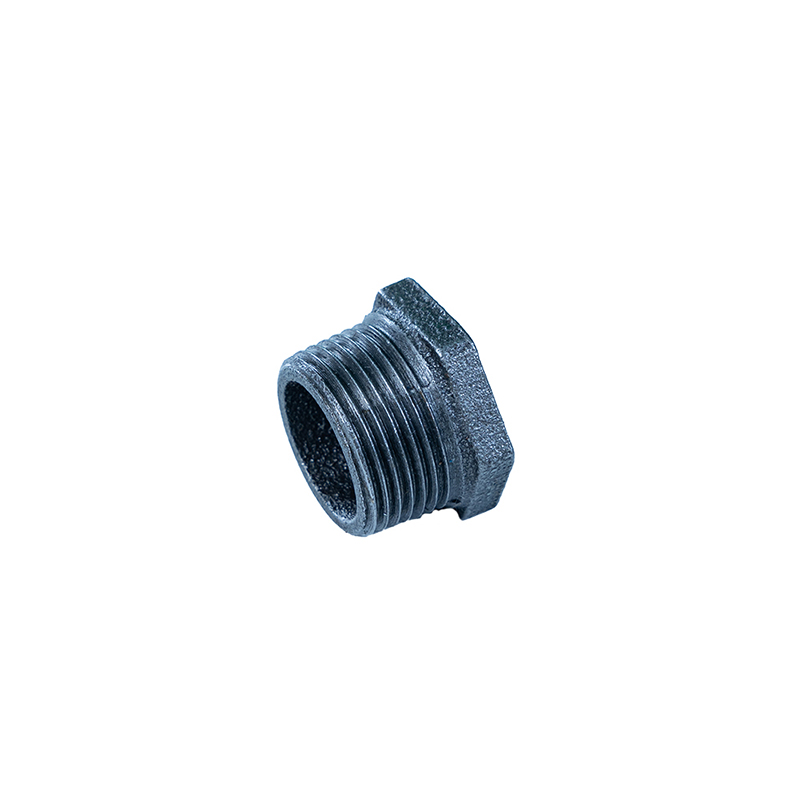
A Midwest beverage plant swapped mixed-stock reducers for a single-spec hexagon reducing bush line (BSPT with black oil). Result: 12% faster changeovers (maintenance logs) and fewer cross-thread incidents—mostly because the gauge-checked threads were consistent. Small part, real ROI.
References
- ISO 7-1: Pipe threads where pressure-tight joints are made on the threads. https://www.iso.org/standard/8342.html
- ASME B1.20.1: Pipe Threads, General Purpose (Inch). https://www.asme.org/codes-standards/find-codes-standards/b1-20-1-pipe-threads-general-purpose-inch
- ASTM A48/A48M: Standard Specification for Gray Iron Castings. https://www.astm.org/a0048_a0048m-03.html
- ASTM B633: Standard Specification for Electrodeposited Coatings of Zinc on Iron and Steel. https://www.astm.org/b0633-23.html
Post time: Oct-18-2025