
The Essential Role of Cast Iron Threaded Pipe Fittings in Global Infrastructure
When you think of the skeleton supporting our built world, pipes and their fittings don’t immediately spring to mind. Yet, cast iron threaded pipe fittings are silently holding together critical systems beneath our feet and within factories everywhere. These small but mighty components enable everything from clean water delivery to wastewater management — vital for cities, industries, and communities worldwide.
Understanding these components is more than just an engineering detail. It’s about ensuring durability, safety, and sustainability in infrastructure that billions depend on daily. With rising urbanization and environmental challenges, knowing how these fittings function can illuminate solutions for long-term resilience.
Why Cast Iron Threaded Pipe Fittings Matter Globally
Globally, infrastructure investment surpassed $3.7 trillion in 2023, with municipal water systems accounting for a significant share (World Bank, 2023). In these systems, cast iron threaded pipe fittings provide reliable connections that resist corrosion and mechanical stress — essential for longevity.
However, many developing regions face challenges: inadequate supply chains mean less access to quality fittings, increasing the risk of leaks and contamination. Furthermore, industrial zones relying on older pipe materials struggle with maintenance costs and downtime.
Hence, cast iron threaded pipe fittings emerge as a solution balancing strength, cost-efficiency, and ease of maintenance — particularly where welding or specialized labor is scarce.
What Are Cast Iron Threaded Pipe Fittings?
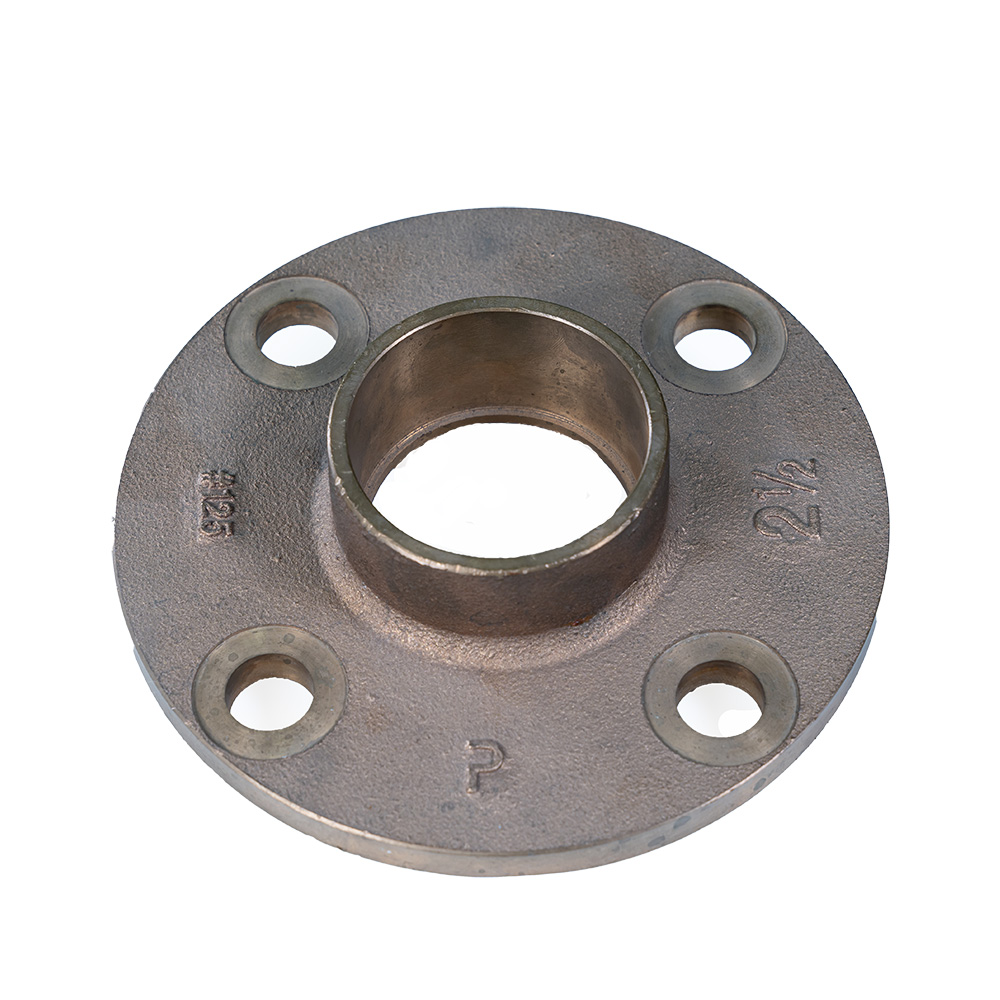
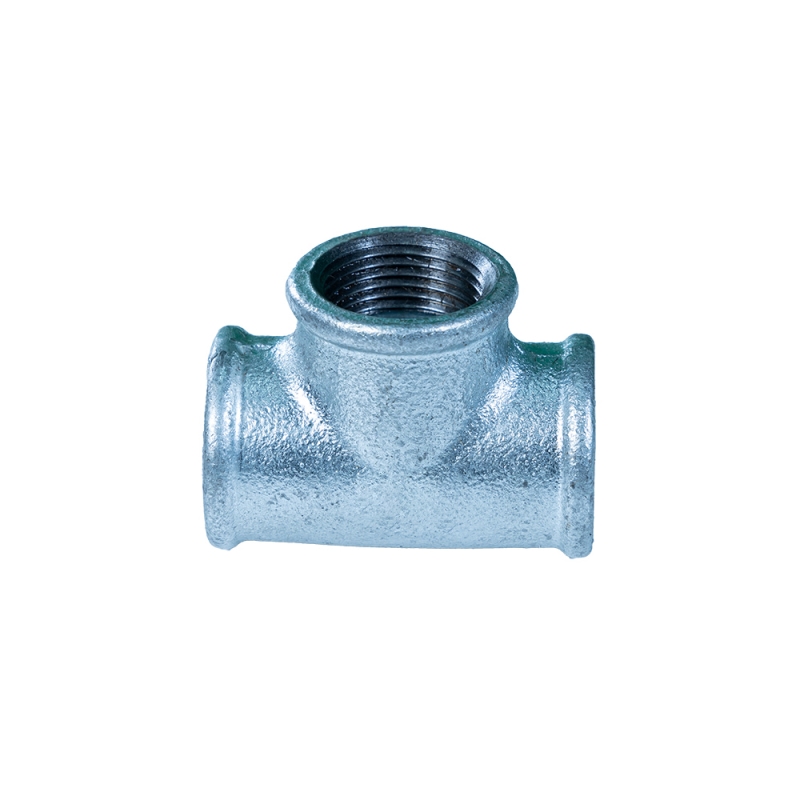
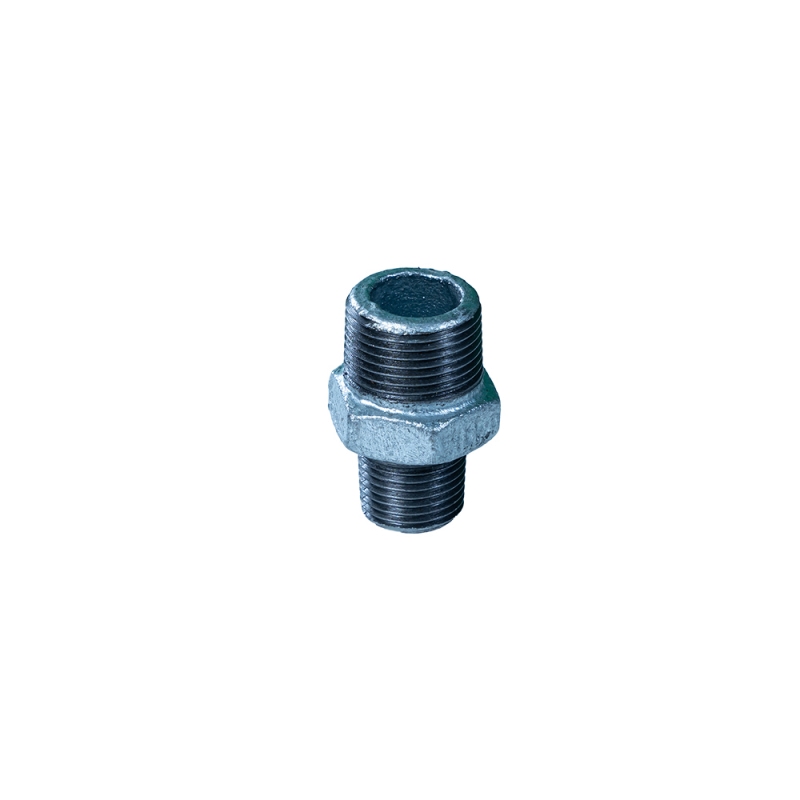
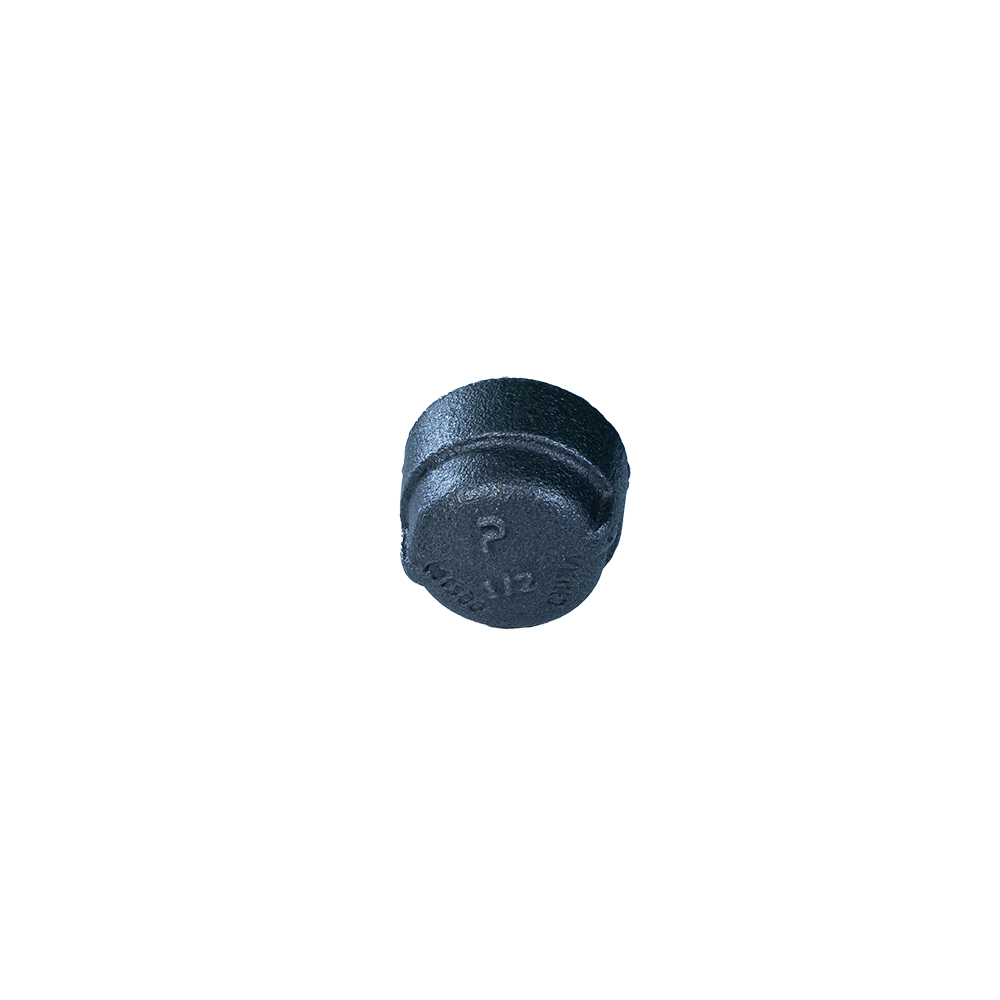
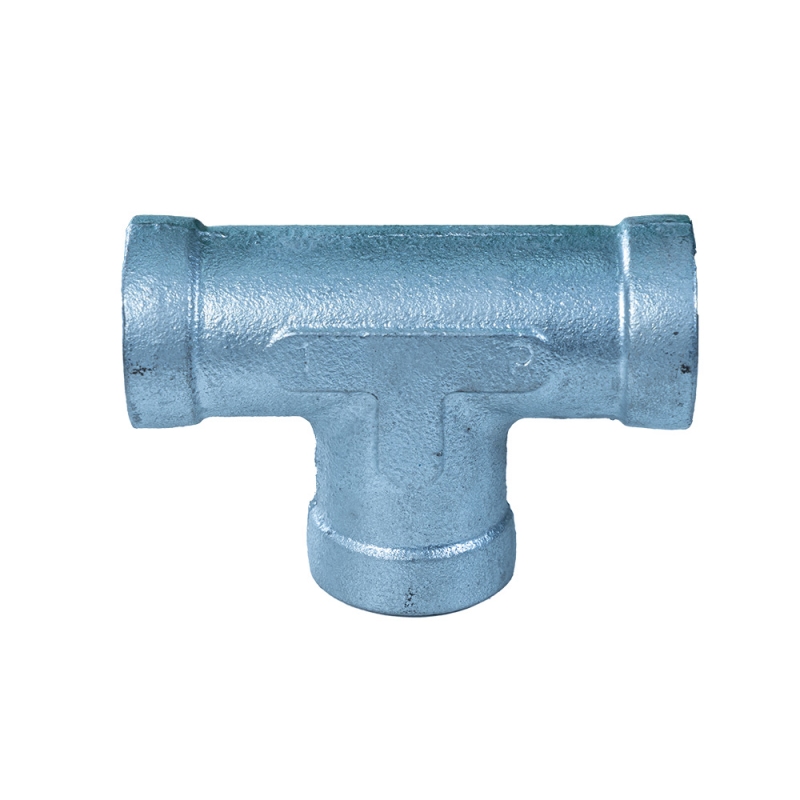
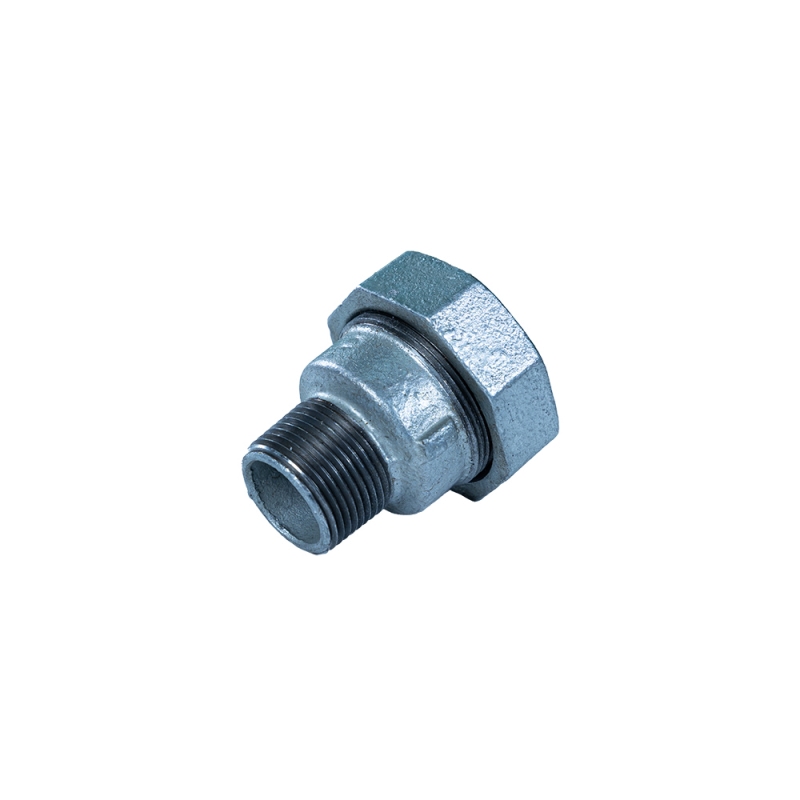
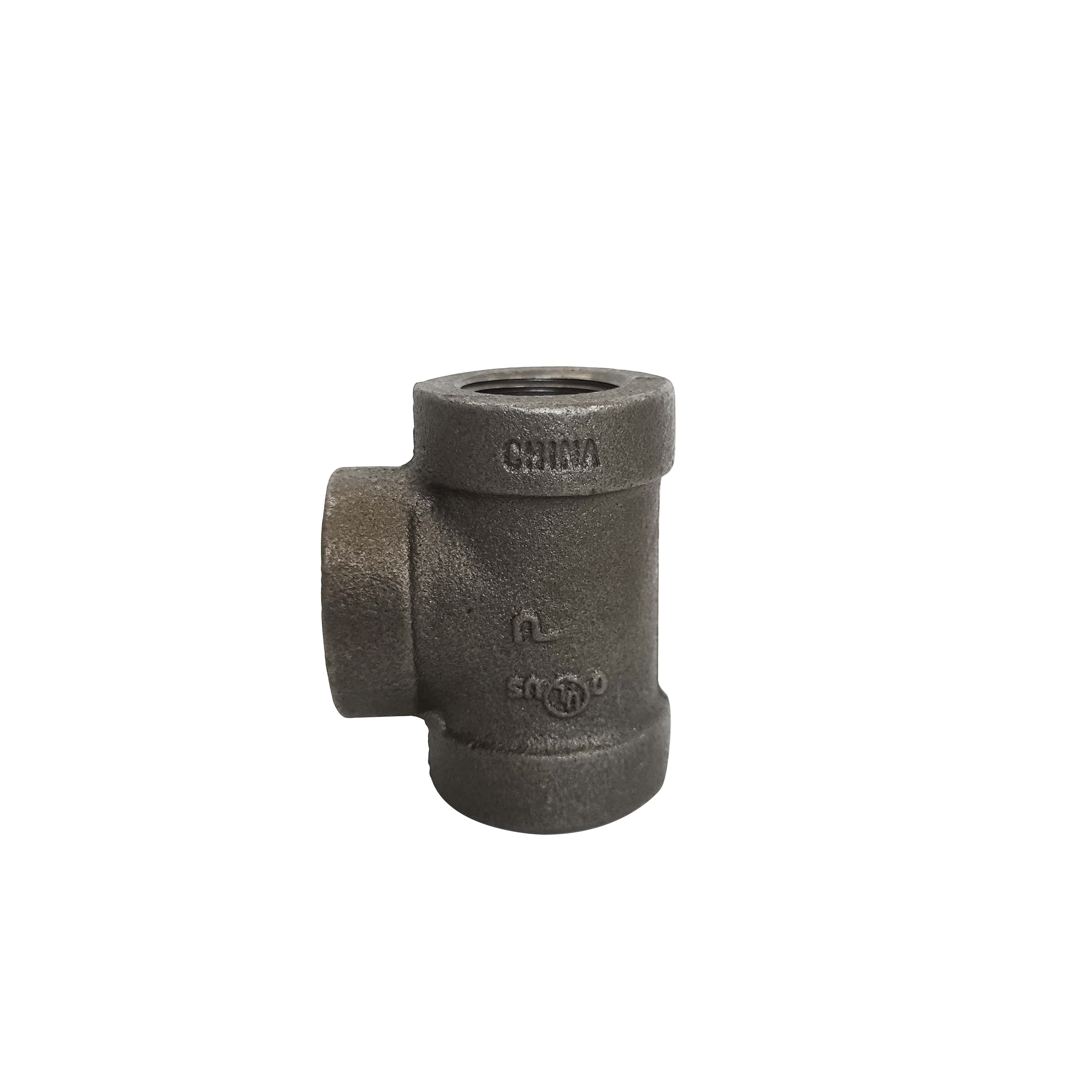
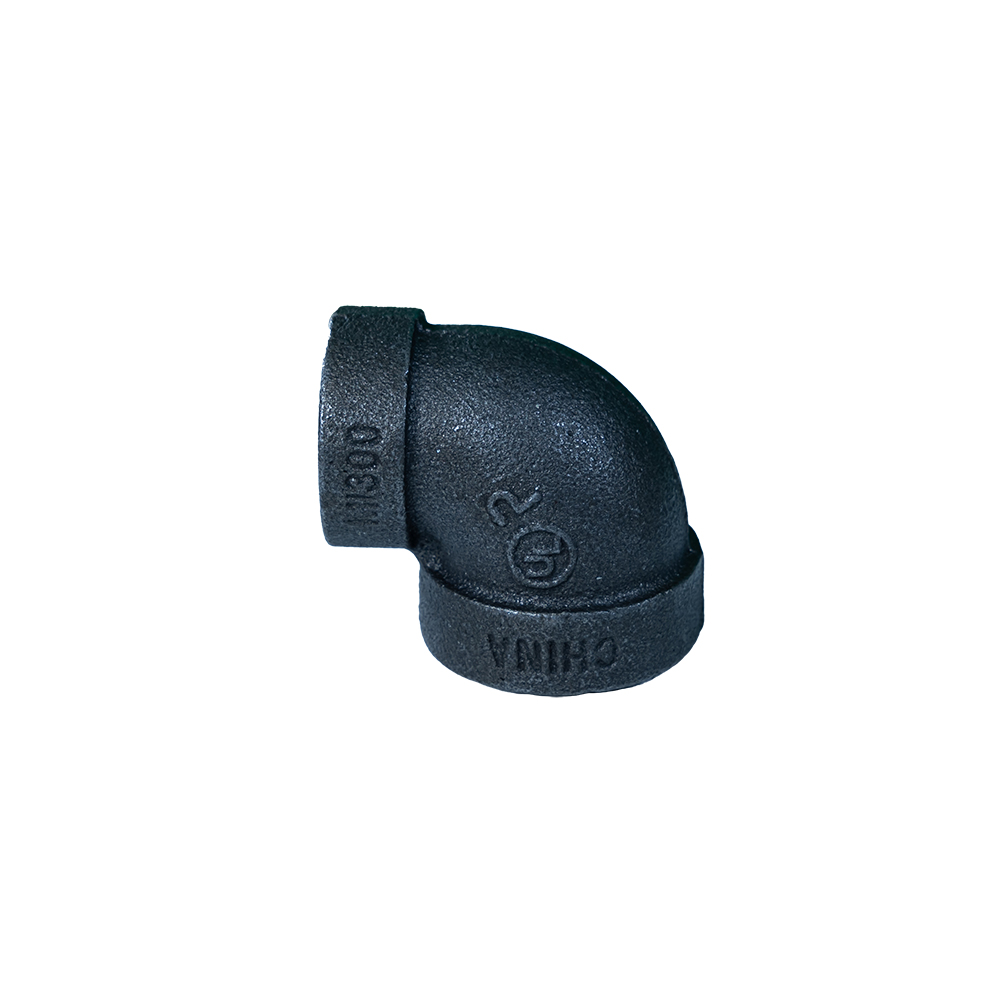
Put simply, these fittings are pipe connectors made from cast iron that join pipes using screw threads. Unlike welded or glued connections, threaded fittings allow for easy assembly and disassembly, which is handy for repairs or system upgrades.
They’re a staple in modern plumbing, HVAC, and drainage systems but also play a role in emergency infrastructure, like rapid water supply restoration after disasters. The robust nature of cast iron means the fittings withstand high pressure, temperature swings, and corrosion better than many alternatives.
Mini Takeaway:
- Cast iron threaded pipe fittings provide dependable, reusable connections in water and industrial piping systems.
- They’re especially valuable where ease of installation and long-term resilience matter.
Core Components and Key Considerations of Cast Iron Threaded Pipe Fittings
Durability & Corrosion Resistance
Cast iron naturally forms a protective oxide layer when exposed to air, which helps prevent rust — especially when coated with bitumen or epoxy. This durability is crucial in water systems where leaks can cause contamination or infrastructure damage.
Thread Design & Compatibility
Threads must be precisely formed to ensure seal integrity. The standard typically follows ISO 7-1 or ANSI B1.20.1 (NPT) threads, ensuring compatibility across brands and easy replacement.
Ease of Installation & Maintenance
Since fittings screw together, they don't need welding or glue. This means fewer tools and quicker repairs, which is huge for remote or emergency settings.
Cost Efficiency Over Time
While cast iron threaded fittings might have higher upfront costs than PVC or plastic alternatives, their lifespan and low maintenance make them economically favorable in the long run.
Environmental Impact
Cast iron is recyclable, which aligns with global sustainability goals. Plus, the materials’ durability reduces waste from frequent replacements.
Mini Takeaway:
- Strong, precise threads and corrosion resistance make cast iron threaded fittings a durable, reusable choice.
- They balance upfront cost with lifecycle savings and environmental benefits.
Practical Use Cases Around the World
Industries and regions that lean heavily on dependable pipe fittings include:
- Urban Water Systems: European and North American municipalities prefer cast iron fittings because they handle pressure fluctuations and harsh chemicals.
- Disaster Relief Deployments: After flooding or earthquakes, rapid water infrastructure repairs often use threaded fittings for their speed and ease.
- Oil & Gas Facilities in the Middle East: High temperatures and corrosive elements demand resilient materials like cast iron threaded pipe fittings.
- Manufacturing Hubs in Asia: Factories rely on them for steam, drainage, and cooling lines.
A small example: After the 2021 floods in Germany, municipal crews switched to threaded fittings for faster pipe repairs, reducing system downtime and improving safety for city residents.
Mini Takeaway:
- Cast iron threaded pipe fittings are truly global — used wherever reliable, maintainable piping is needed.
- They enable fast responses in emergencies and support heavy industrial demands.
The Advantages: Beyond Just Pipes
The benefits of choosing these fittings are more than technical. Their stability translates into social and economic value:
- Safety: Fewer leaks mean cleaner water, reducing disease and improving public health.
- Innovation & Trust: Using proven materials builds confidence among engineers and customers alike.
- Sustainability: A long lifespan and recyclability contribute to environmental goals.
- Cost Savings: Lower maintenance and fewer replacements ease municipal budgets.
Working with these fittings often feels like betting on a low-risk, high-reward strategy, especially in critical infrastructure where failure isn’t an option.
Here’s a Quick Product Specification Table for Reference:
| Specification | Value | Unit |
|---|---|---|
| Material | Ductile Cast Iron | |
| Thread Standard | ISO 7-1 / NPT | |
| Pressure Rating | 10-25 | bar |
| Max Temperature | 250 | °C |
| Coating | Bituminous/Epoxy | |
| Weight Range | 0.7 - 3.5 | kg per fitting |
Comparing Vendors for Quality and Availability
| Vendor | Material Grade | Stock Availability | Price Range (USD) | Delivery Lead Time |
|---|---|---|---|---|
| PanNext Fittings | Ductile Cast Iron ASTM A536 | High | 8 - 12 | 1-2 weeks |
| GlobalPipe | Grey Cast Iron EN 1561 | Medium | 6 - 10 | 3-4 weeks |
| IronCraft Inc. | Ductile Cast Iron ISO 1083 | Low | 9 - 13 | 4-5 weeks |
Looking Ahead: Trends and Innovations in Pipe Fittings
Not to get too futuristic, but innovations like smart coatings that monitor corrosion or integration with IoT sensors are already under development. Imagine, fittings that alert maintenance crews before a leak even forms — now that’s innovation with a human touch.
Environmental policies are pushing for greener manufacturing too. Recycled cast iron and less energy-intensive production methods could reshape the market. Automation in quality control means fewer defects and more reliable performance.
Common Challenges and How Industry Experts Tackle Them
Of course, nothing is perfect. Threaded connections can sometimes loosen under vibration, leading to leaks. Experts recommend thread sealants or locknuts and regular inspections to mitigate these issues.
Supply chain disruptions, famously gnarly since 2020, also affect availability. Companies like PanNext have responded by expanding stocking networks closer to demand centers, reducing lead times significantly.
FAQs About Cast Iron Threaded Pipe Fittings
- Q1: How do cast iron threaded pipe fittings compare to welded fittings?
- A1: Threaded fittings offer easier assembly and disassembly without welding equipment, ideal for repairs and modifications. Welded fittings provide a permanent, leak-proof joint but require specialized labor and can't be reused.
- Q2: Are cast iron threaded fittings suitable for outdoor use?
- A2: Absolutely. Their natural corrosion resistance, especially with protective coatings, makes them well suited for outdoor environments and exposed piping systems.
- Q3: How long do these fittings typically last?
- A3: With proper installation and maintenance, cast iron threaded fittings can last 50 years or more, surpassing many plastic alternatives in durability.
- Q4: Can I use cast iron threaded fittings in potable water systems?
- A4: Yes, if properly coated with approved materials to prevent contamination. Many municipal systems worldwide rely on them safely.
- Q5: Where can I find high-quality cast iron threaded pipe fittings?
- A5: Vendors like PanNext Fittings specialize in these products with international shipping and certifications.
Wrapping It Up: Why These Fittings Are an Infrastructure Staple
In real terms, you don’t notice cast iron threaded pipe fittings until something goes wrong. Choosing them wisely means safer water, reliable industrial processes, and infrastructure that stands the test of time. Plus, the option for easy maintenance and sustainability bonuses make them a compelling choice for planners and engineers alike.
If you’re interested, check out the range of options at PanNext Fittings — your go-to for quality cast iron solutions.
Final Thought:
Whether restoring a city's water mains or outfitting a new factory, these fittings quietly make sure everything flows smoothly. They’re a small part with a huge impact.
References
Post time: Nov-30-2025