
Understanding the Reducer Coupling Threaded: Why It Matters in Today’s Industry
If you’ve ever worked with piping systems, plumbing, or industrial fluid transport, you might be familiar with the term reducer coupling threaded, but perhaps not fully aware of what it truly entails or the critical role it plays globally. Simply put, a reducer coupling threaded is a mechanical fitting used to connect two pipes of different diameters using threaded ends, allowing fluid or gas to flow smoothly without leaks or pressure loss. Why does this matter? Well, in a world where infrastructure maintenance, industrial efficiency, and even humanitarian access rely heavily on reliable piping, knowing the ins and outs of such components is pretty important.
From water treatment plants in Europe, oil and gas pipelines in the Middle East, to emergency relief water systems in remote parts of Africa, reducer couplings threaded form an invisible but vital backbone. Getting this right can save time, reduce costs, prevent failures, and ultimately help make lifesaving resources flow freely.
Global Context and Industry Relevance
Some quick stats set the stage: According to the International Organization for Standardization (ISO), industrial fittings and connectors form a multi-billion-dollar market that's expected to grow annually by over 5% globally. In developing regions, improved water and gas infrastructure often hinges on affordable, reliable fittings. But here’s the catch: mismatched pipe diameters and diverse materials pose ongoing challenges — that’s exactly where reducer coupling threaded fittings shine.
In fact, during infrastructure upgrades or disaster response, having versatile fittings that can accommodate existing legacy piping sizes without welding or expensive replacements speeds up deployments dramatically. Oddly enough, this simple component can be a linchpin in solving complex logistical problems.
What Exactly Is a Reducer Coupling Threaded?
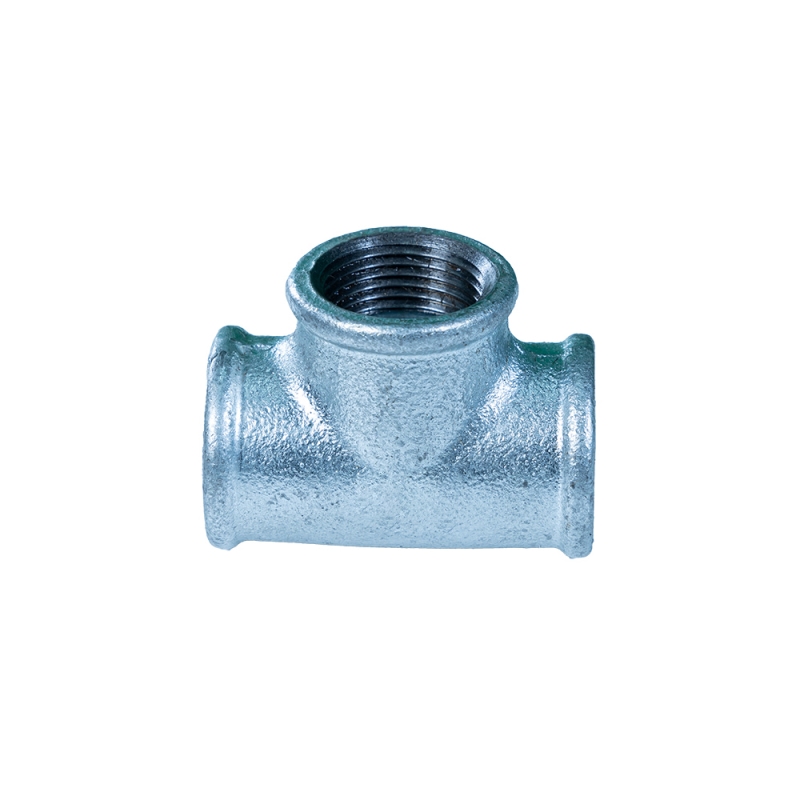
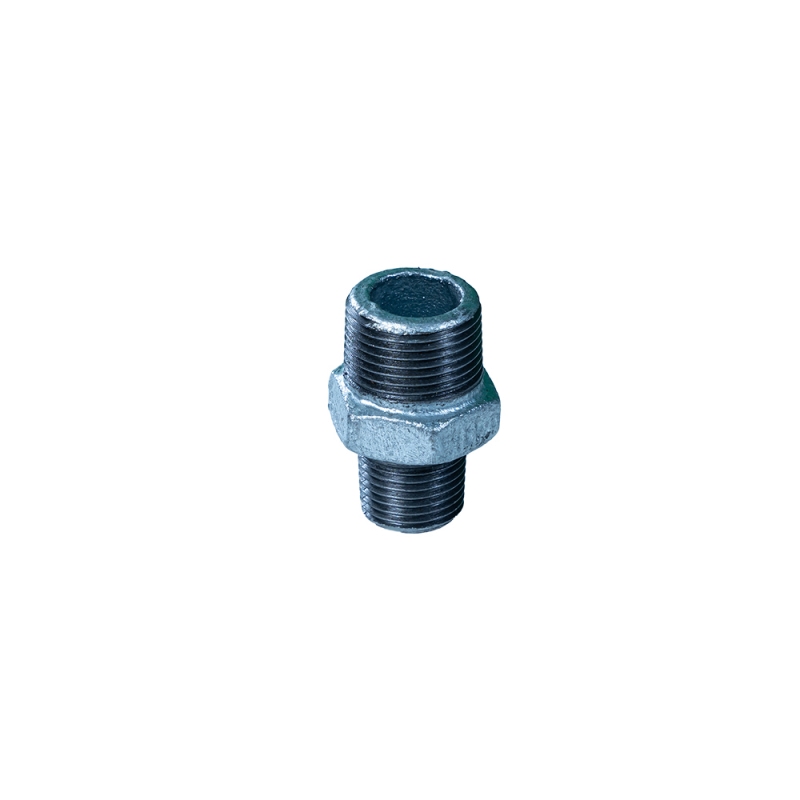
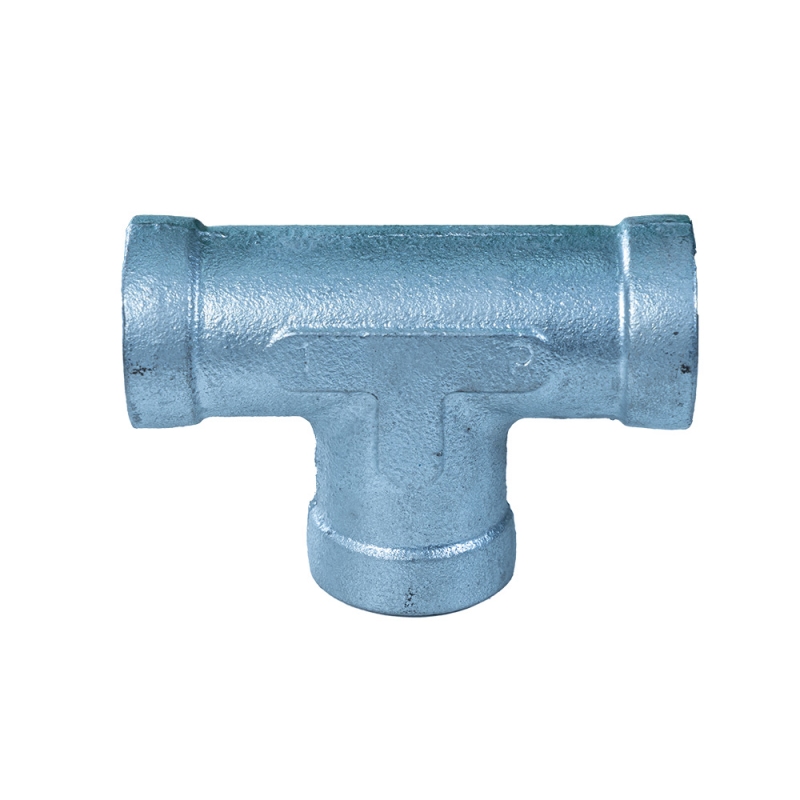
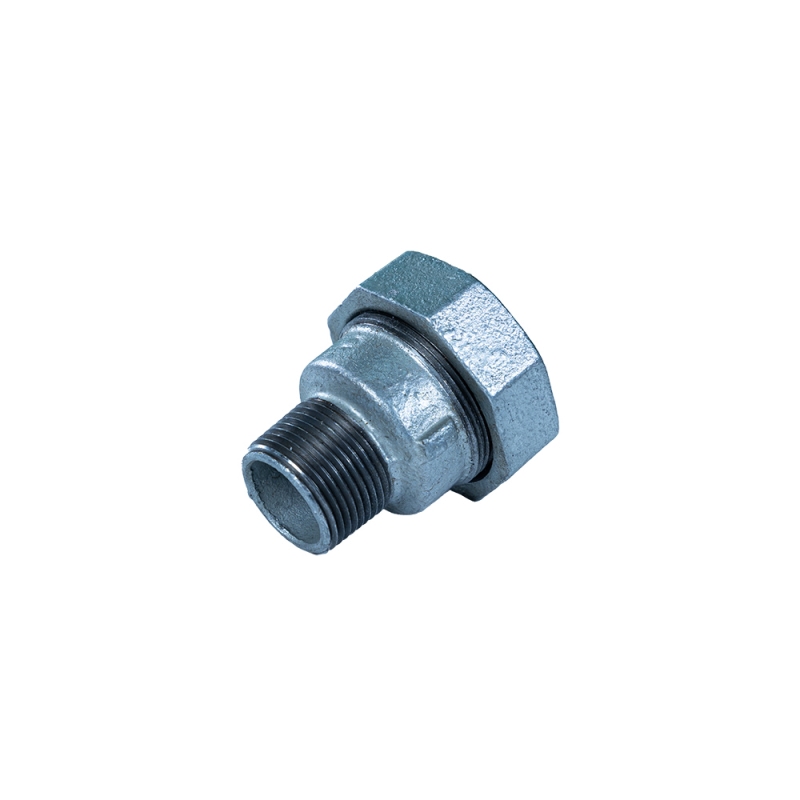
At its core, a reducer coupling threaded is a short length of pipe or fitting designed to join two pipes of different diameters where each end has threads for screwing onto the respective pipe ends. Because the connection is mechanical – screwing male threads into female threaded ends – it allows flexibility in installation without specialized tools like welders.
Threaded reducer couplings maintain a seal resistant to pressure and leakage, often made of materials like stainless steel, brass, or carbon steel, depending on application. In today’s industries, these fittings aren’t just plumbing parts; they represent adaptability and resilience, especially when systems are frequently upgraded or expanded.
Core Components and Important Factors
Durability
Since reducer coupling threaded fittings often operate under pressure and in harsh environments, material strength and corrosion resistance matter a lot. Stainless steel versions, for instance, offer longevity even in chemical plants or offshore rigs.
Thread Standards and Compatibility
Threads come in various standards – NPT (National Pipe Thread), BSP (British Standard Pipe), and metric screw threads. Choosing the right thread type ensures tight seals and prevents loosening over time, which, frankly, can be a big headache if you get it wrong.
Pressure and Temperature Ratings
Depending on the pipe system, couplings may need to withstand pressures of several hundred PSI and temperatures ranging from freezing cold to extreme heat. These specs affect the choice of material and thread design.
Ease of Installation
The beauty of a threaded reducer coupling is its user-friendly installation — no welding required and minimal downtime. This is a great cost saver on-site, especially when retrofitting old equipment.
Cost Efficiency
Compared to flanged or welded reducers, threaded couplings are often more budget-friendly without compromising reliability, making them a go-to for small- to mid-scale projects.
| Parameter | Typical Value |
|---|---|
| Material | Stainless Steel (304/316), Carbon Steel, Brass |
| Size Range | 1/2" to 6" diameter |
| Thread Standards | NPT, BSP, Metric Threads |
| Pressure Rating | Up to 6000 PSI (depending on class) |
| Temperature Range | -20°C to 200°C |
Global Applications & Use Cases
The reducer coupling threaded is everywhere, from chemical factories in Germany to irrigation systems in India. Here are some quick hits on its impact:
- Oil and Gas Industry: Connects new equipment seamlessly into existing networks without shutting down entire pipelines.
- Water Treatment: Enables easy upgrades in municipal systems, particularly in developing nations where budget constraints require versatile solutions.
- Disaster Relief: Rapidly deployable water lines for emergency camps often rely on these fittings to assemble piping fast and leak-free.
- HVAC Systems: Threaded reducer couplings allow quick size transitions in heating and cooling ducts, helping technicians save time and resources.
For those curious, industrial projects in Southeast Asia have seen a surge of these fittings due to fast urbanization coupled with retrofit challenges.
Advantages and Long-Term Value
Why do so many engineers and planners swear by the reducer coupling threaded? A few reasons jump out:
- Reliability: Threaded connections hold tight under pressure and vibrations, critical for safety and consistent operation.
- Cost Savings: No special machinery needed for assembly means easier labor requirements and reduced downtime.
- Sustainability: Reusable and easily replaceable, these fittings support maintenance without generating much waste.
- Emotional Value: It’s reassuring to know that a fitting you install today will stand the test of time, keeping communities safe and industry humming.
Looking Ahead: Future Trends & Innovations
As industries veer toward greener, smarter infrastructure, the humble reducer coupling threaded is evolving, too.
- Smart Sensors Integration: Embedded RFID or pressure sensors are beginning to appear, enabling real-time monitoring of connection integrity.
- Advanced Materials: New composites and coated alloys promise better corrosion resistance and lighter weight.
- Digital Fabrication: 3D printing custom threaded reducers suited to irregular pipe sizes is becoming a reality for specialized projects.
- Sustainability Focus: Recyclable materials and longer lifecycle designs to complement global efforts in reducing industrial waste.
Common Challenges & Practical Solutions
Threaded reducer couplings have their tricky bits. Cross-threading during installation, incompatibilities between thread standards, and eventual loosening can cause leaks or failures. But, many manufacturers now provide precision-machined threads, clear installation guides, and even torque specifications to prevent those headaches. Some engineers will also use thread sealants or locking compounds as additional insurance. Honestly, a little elbow grease combined with the right product means these issues are easily managed.
FAQs About Reducer Coupling Threaded
- Q1: Can reducer coupling threaded fittings be used for high-pressure gas pipelines?
- A1: Yes, many reducer coupling threaded fittings are rated for high-pressure gas applications, but it’s essential to check pressure and material specs carefully. Certifications by ISO or ANSI standards confirm suitability for critical uses.
- Q2: How do I know if my pipe threads are NPT or BSP?
- A2: NPT and BSP threads are similar but differ in pitch and angle. Using a thread gauge or referring to manufacturer documentation is best. Mixing the two can cause leaks.
- Q3: Are reducer coupling threaded fittings reusable after disassembly?
- A3: Generally, yes, especially if installed correctly without damage during removal. However, always inspect threads for wear before reuse.
- Q4: What’s the lifespan of a threaded reducer coupling in outdoor environments?
- A4: Lifespan depends on material and exposure; stainless steel versions can easily last decades outdoors when maintained properly.
Vendor Comparison: Leading Reducer Coupling Threaded Suppliers
| Vendor | Material Options | Pressure Rating | Global Availability | Price Range |
|---|---|---|---|---|
| PanNext Fittings | SS 304, SS 316, Carbon Steel | Up to 6000 PSI | Worldwide (with fast shipping) | Moderate |
| GlobalPipe Inc. | Carbon Steel, Brass | Up to 4000 PSI | Asia, Europe | Budget-Friendly |
| PipeMaster Ltd. | Stainless Steel, Nylon Composite | Up to 5000 PSI | North America | Higher End |
In Summary: Why It’s Worth Knowing About Reducer Coupling Threaded
The more you drill down, the clearer it gets: reducer coupling threaded fittings are quiet heroes in the world’s infrastructure ecosystems. They enable flexibility, durability, and ease of maintenance across a surprising range of applications — from everyday plumbing upgrades to high-stakes industrial settings and humanitarian efforts.
If your work or interest lies in piping systems, industrial design, or even logistics for humanitarian aid, exploring reducer coupling threaded options can be well worth your time. They hold promise not only for today but also as smart components of tomorrow’s sustainable infrastructure.
Because, honestly, a fitting this simple doing so much is pretty impressive.
Quick takeaway: When it comes to piping challenges, sometimes the simplest threaded reducer coupling is the best-kept secret of engineers worldwide.
Post time: Dec-03-2025