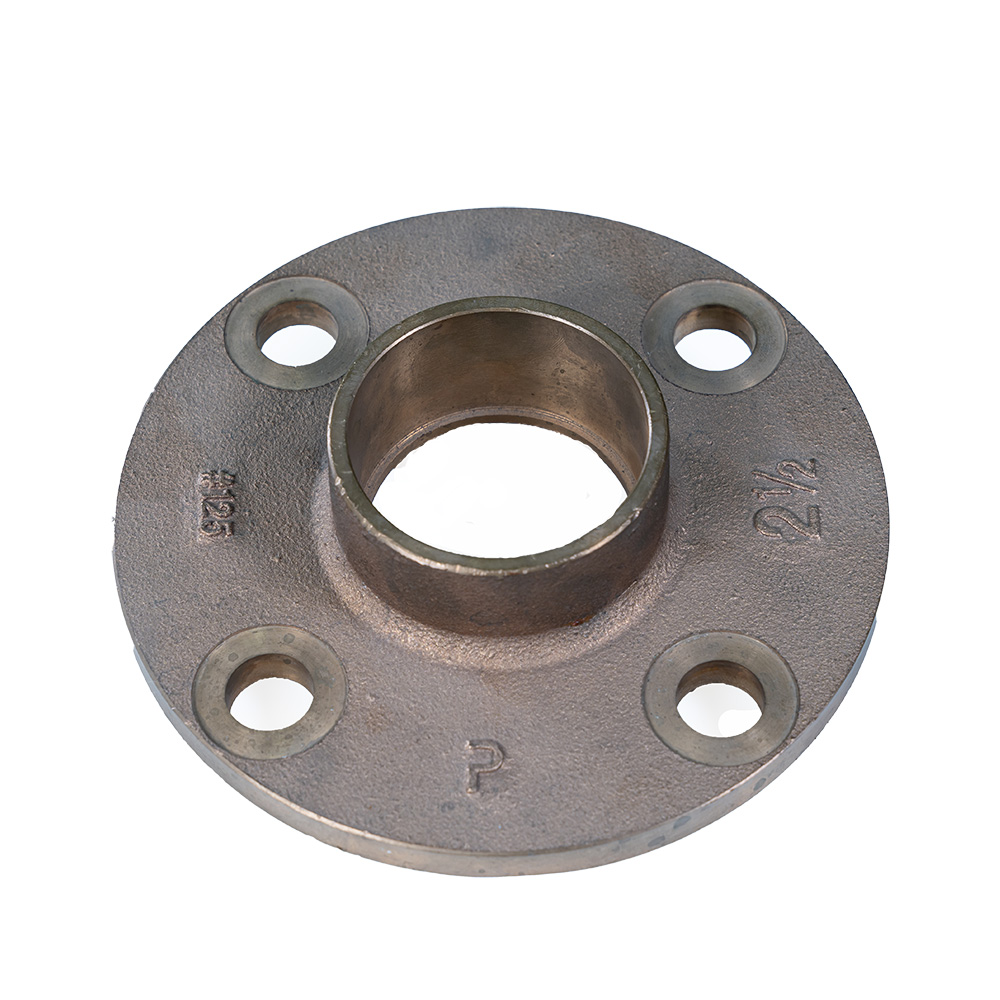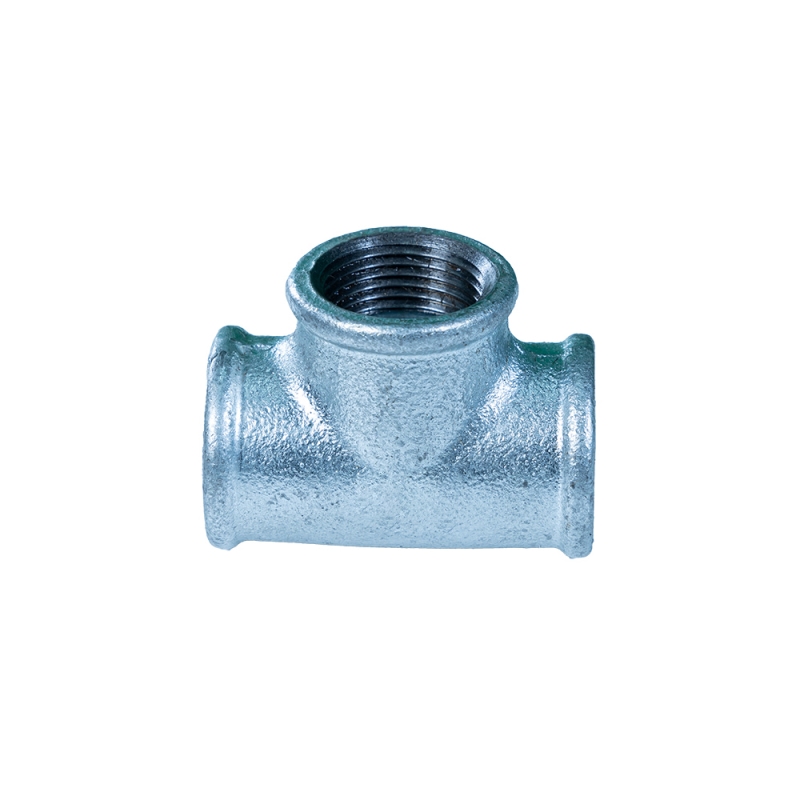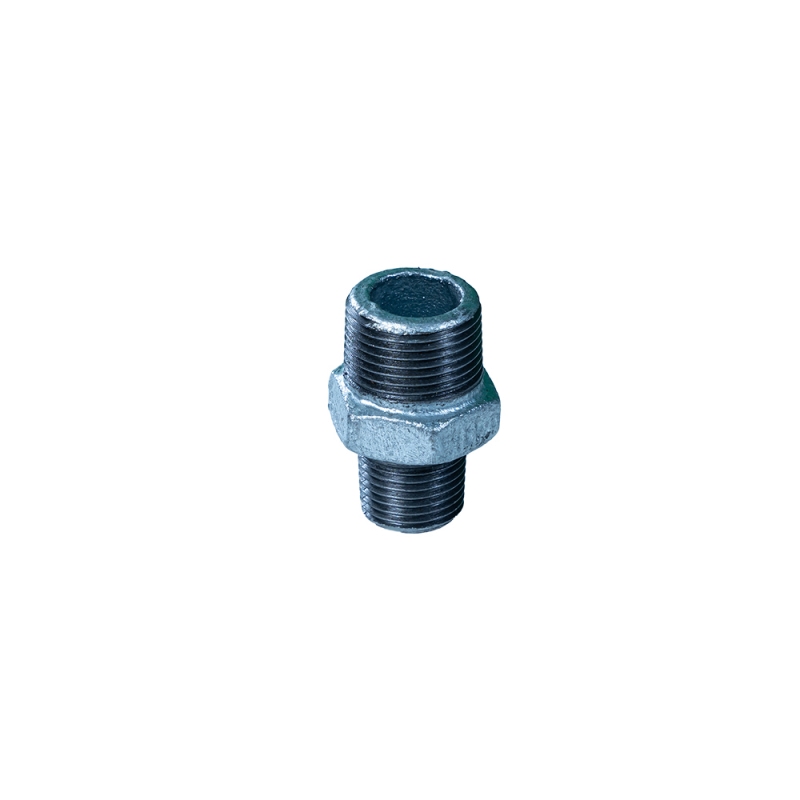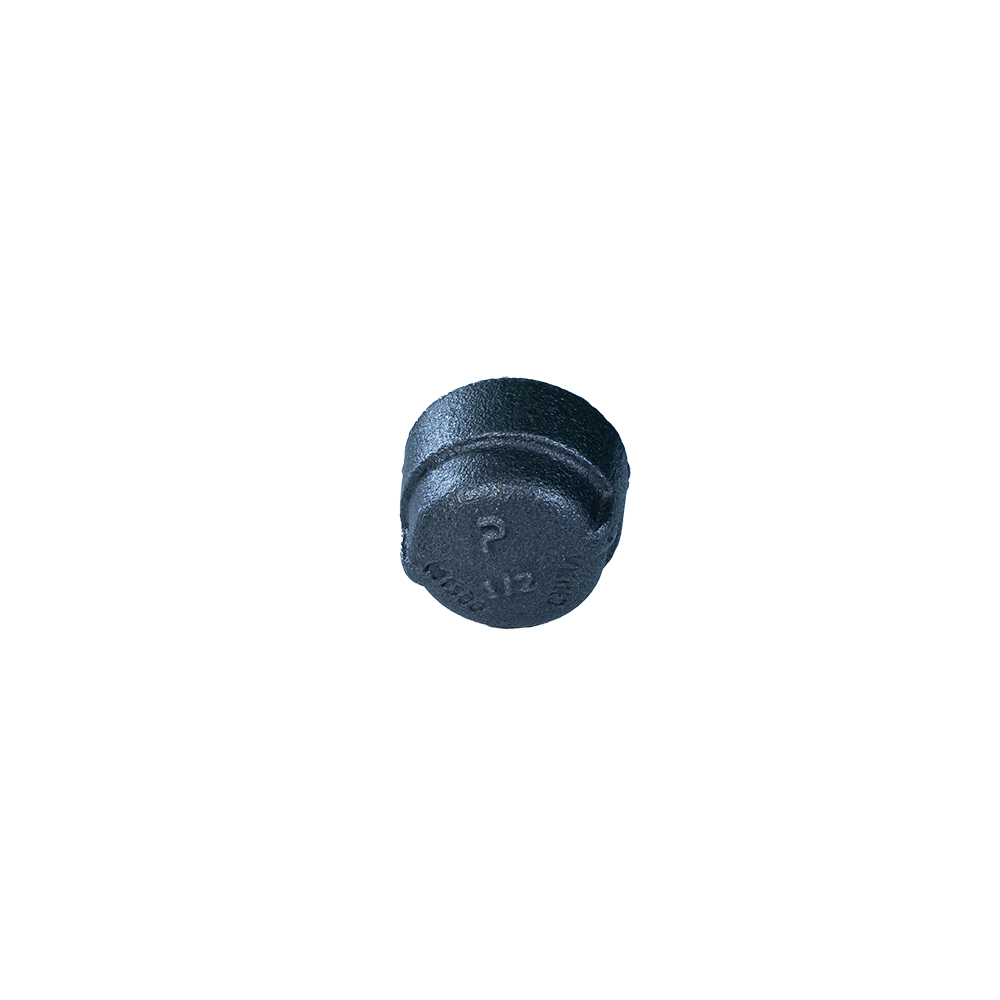

Understanding the 4 x 3 Reducing Coupling: A Practical Overview
Having spent more than a decade working hands-on in the industrial equipment sector, I’ve come across a plethora of fittings. The 4 x 3 reducing coupling is one of those small components that might be overlooked but proves absolutely critical in piping assemblies where different pipe sizes need to connect seamlessly.
Oddly enough, despite its apparent simplicity, there’s quite a bit to know. This coupling’s job is straightforward: join a 4-inch diameter pipe to a 3-inch one, reducing flow size while maintaining system integrity. Yet, nuances in materials, thread types, and pressure ratings can make all the difference depending on your application.
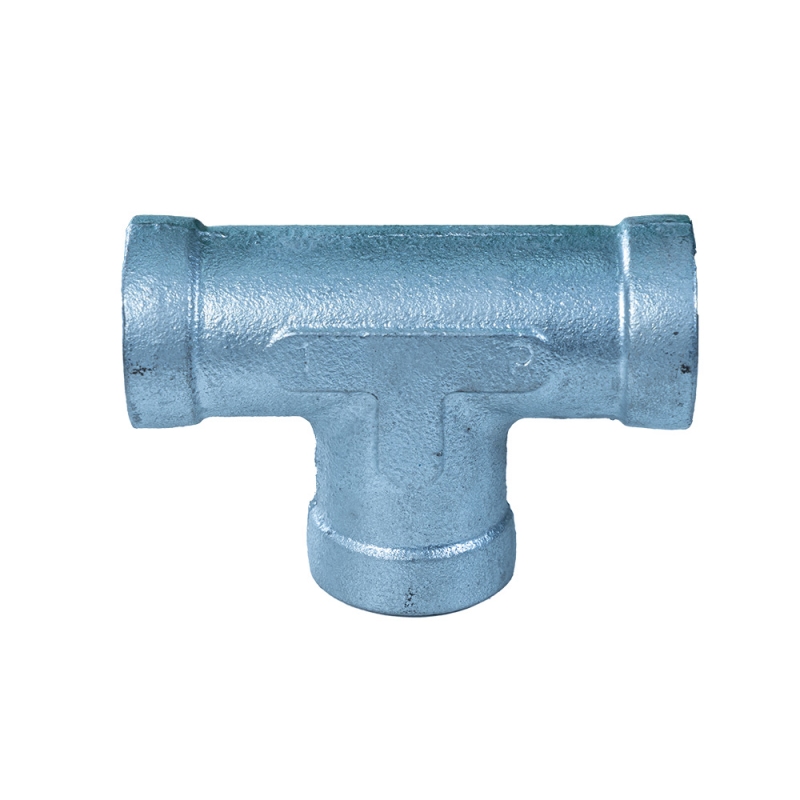
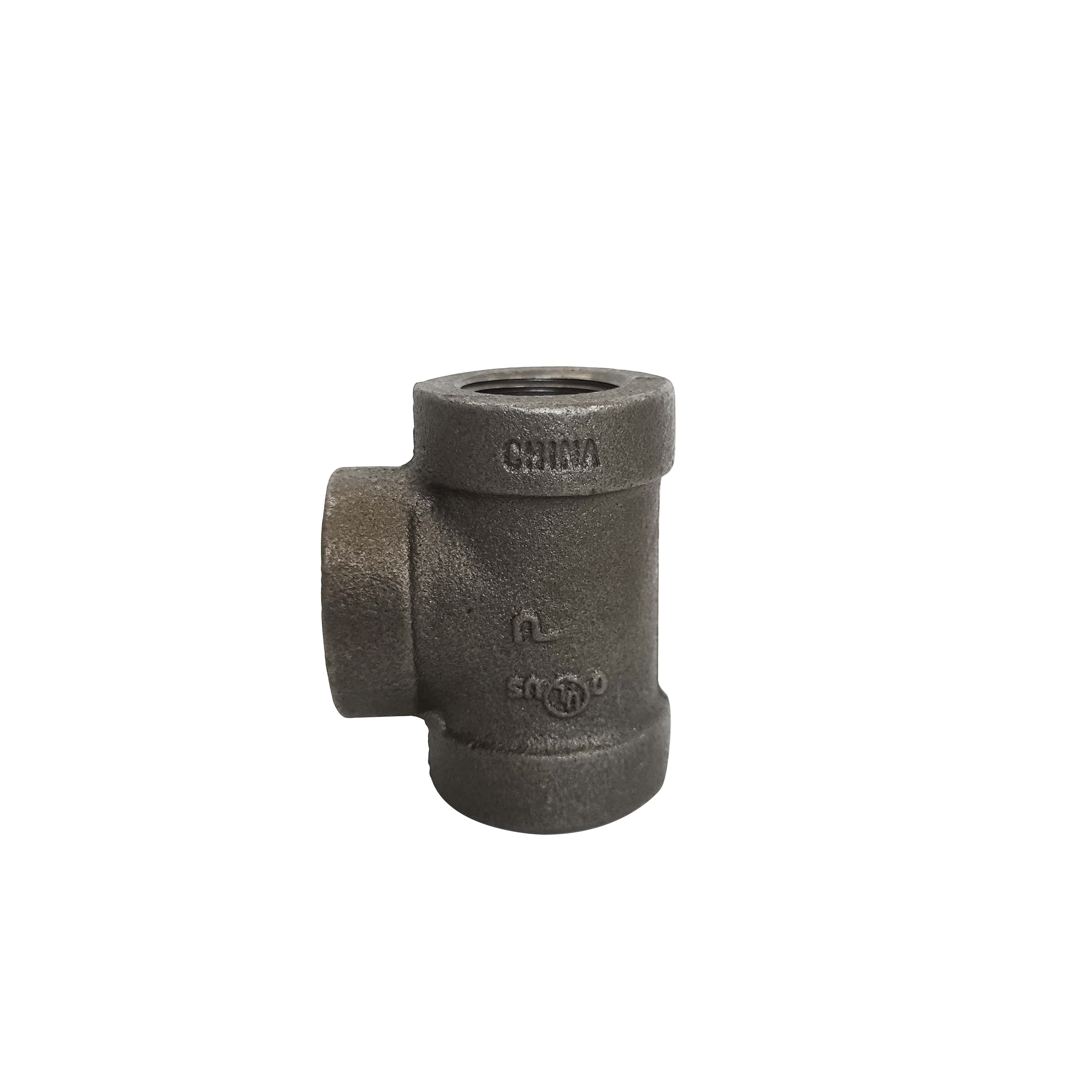
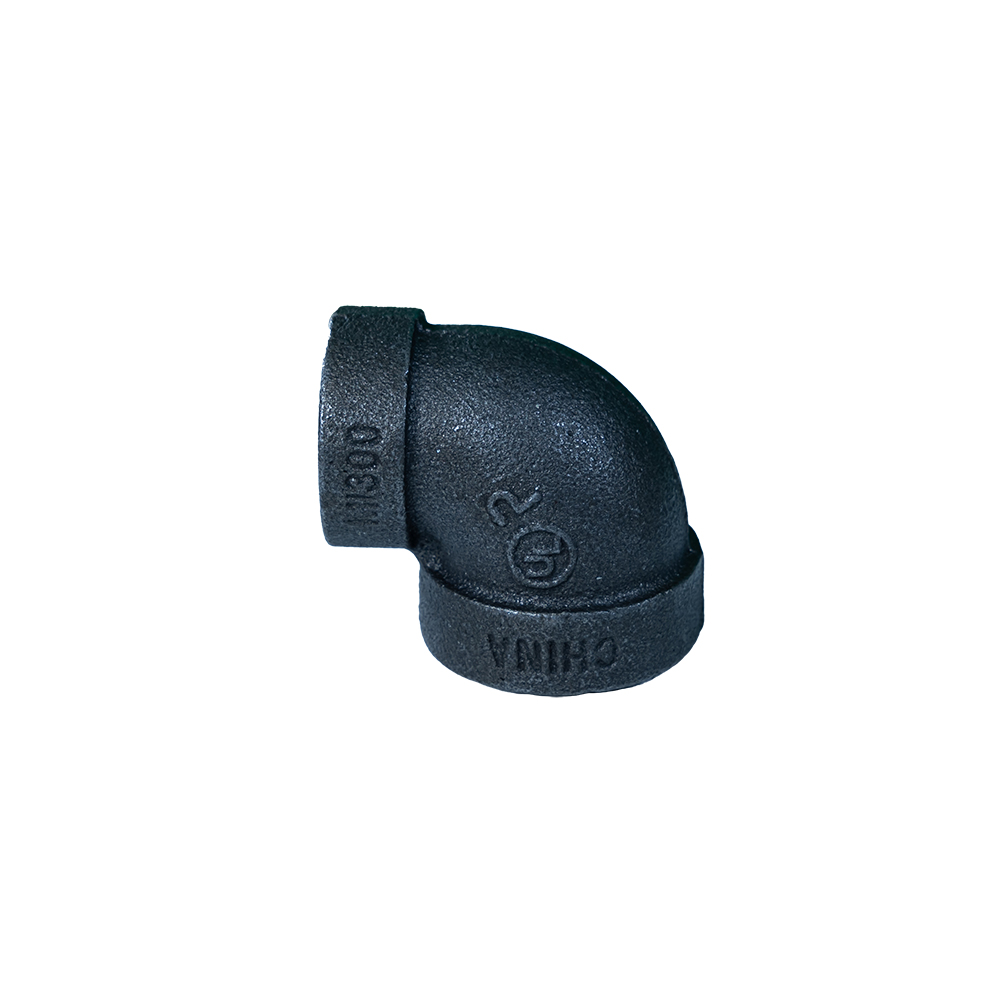
For instance, many engineers I’ve worked with prefer malleable iron or carbon steel constructions because those materials balance strength with a fair amount of ductility. Stainless steel versions, of course, cater to corrosion resistance in more demanding environments, like chemical plants or offshore rigs — where rust just won't do.
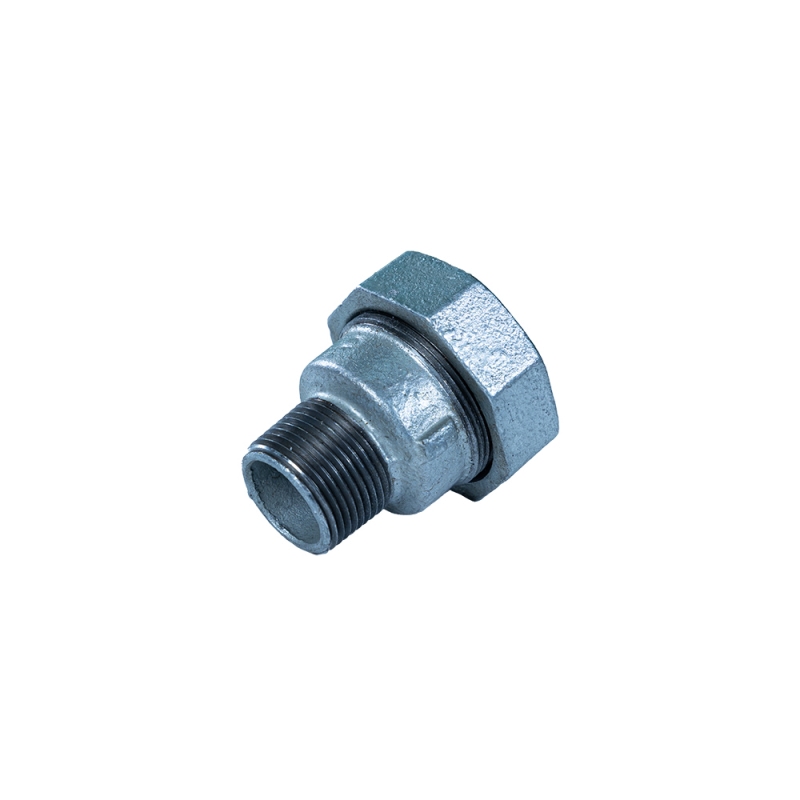
In real terms, the thread design must match the pipes you’re working with: whether it's tapered national pipe thread (NPT) or metric variants. Precision here reduces leaks and simplifies installation — which frankly saves headaches on the job.
Speaking of which, quality testing on these couplings is often standardized around pressure and tensile stress ratings. I've seen suppliers provide mill certificates ensuring traceability and compliance with ASTM/ASME standards, which is a pretty big plus if you’re specifying parts for critical services.
Now, something I noticed early on: customization options, like special coatings or custom weld ends, can really open up project flexibility. Though off-the-shelf 4 x 3 reducing couplings fit many scenarios, bespoke variants can handle extreme temperatures or aggressive media better. This is where vendors, frankly, distinguish themselves.
Let me share a quick story. A client once needed a large batch for a wastewater treatment plant upgrade. The pipes were galvanized steel, and we recommended reducing couplings with zinc plating for durability against corrosion. The supplier's consistency and delivery timing impressed the client and sealed a contract extension. That’s the kind of practical benefit you don’t often hear about in dry spec sheets.
| Parameter | Details |
|---|---|
| Sizes | 4" to 3" nominal pipe diameter |
| Material | Malleable Iron, Carbon Steel, Stainless Steel |
| Thread Type | NPT (ANSI/ASME B1.20.1), BSP where specified |
| Pressure Rating | Up to 3000 PSI (varies by material & spec) |
| Finish | Plain, Zinc Plated, Galvanized |
| Standards | ASTM A197, ASME B16.3 |
But if you’re figuring where best to source these, it’s worth comparing some vendors. Here’s a quick snapshot that I found useful when advising customers:
| Vendor | Material Options | Customization | Typical Delivery | Price Range |
|---|---|---|---|---|
| PanNext Fittings | Carbon Steel, Stainless Steel | Yes – coatings & thread types | 2-3 weeks | Competitive |
| GlobalPipe Supplies | Malleable Iron | Limited | 1-2 weeks | Moderate |
| SteelWorks Intl. | Carbon Steel, Galvanized | Custom weld ends available | 3-4 weeks | Higher End |
Deciding on the right supplier really boils down to what your project demands — budget, turnaround time, and quality assurance. Frankly, I always advise verifying certifications and requesting samples if possible. Seeing and feeling the product can sometimes tell you more than sheets of technical specs (which can sometimes be a bit... optimistic?).
At the end of the day, choosing the right 4 x 3 reducing coupling is one of those “small details” that adds up to system reliability. Whether you’re in waterworks, oil and gas, or HVAC, the right fit can reduce downtime, prevent leaks, and make maintenance easier — and that, honestly, saves money and stress.
So if you’re ready to explore some options, I’d recommend checking out PanNext Fittings — they seem to balance quality and service quite well, based on years of experience and client feedback.
In industrial piping, it’s not always the flashiest parts that earn your trust, but the reliable ones you barely notice — until they’re missing.
References:
- ASTM A197 / ASME B16.3 Standards Documentation
- Industry Guide: Pipe Fittings for Piping Systems, 4th Edition
- Customer case files from wastewater treatment projects, 2018-2023
Post time: Dec-31-2025